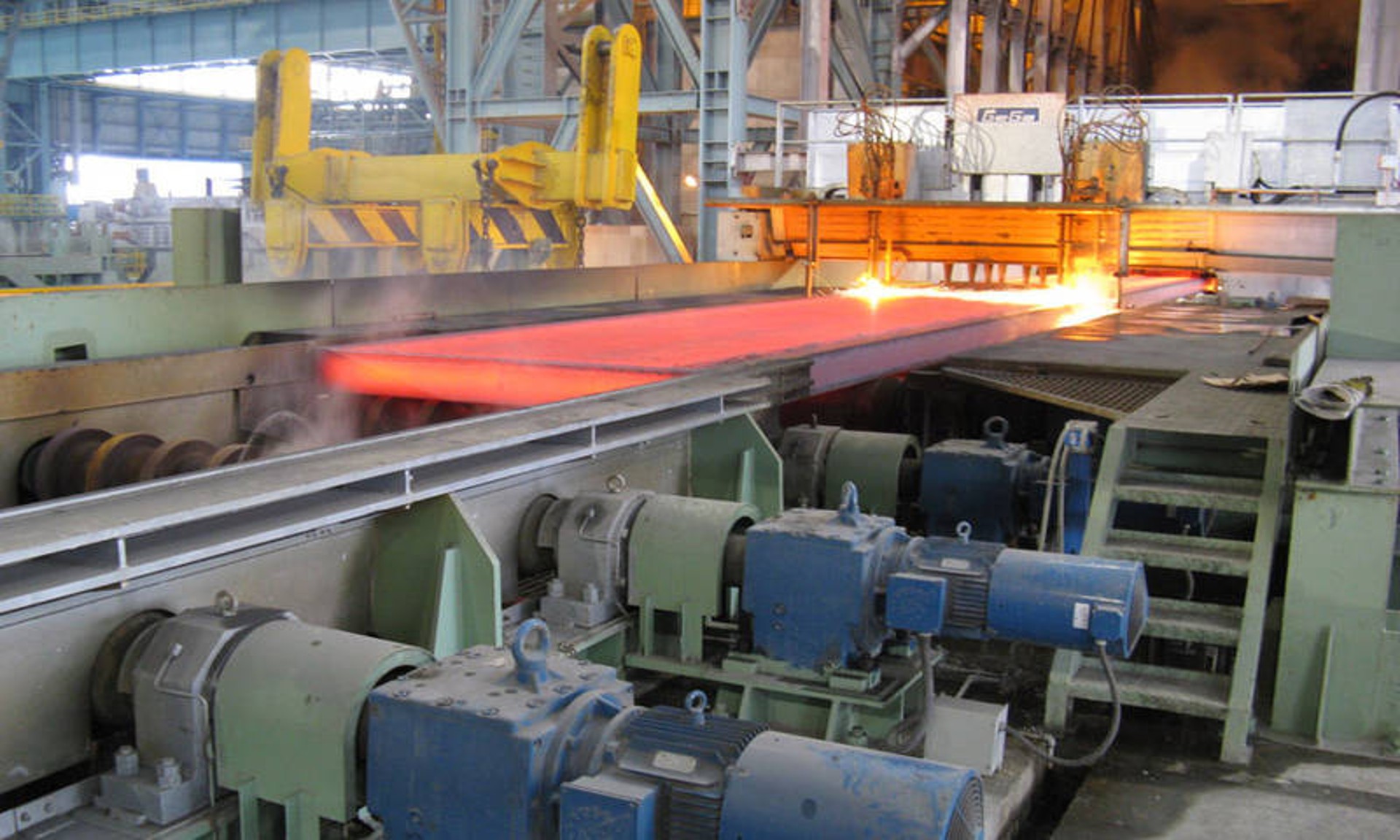
Revolutionizing Manufacturing: How Automated Production Lines Drive Efficiency and Growth
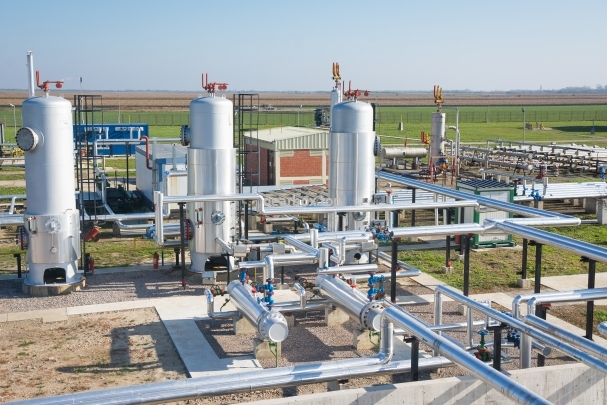
Understanding Automated Production Lines
An automated production line is a system where machinery and equipment perform manufacturing tasks with minimal human intervention, often controlled by computer systems or robotics. This technology streamlines operations by integrating processes such as assembly, packaging, and quality control into a seamless workflow. By reducing manual labor, companies can achieve higher output, consistent quality, and lower operational costs. For instance, in the automotive industry, these lines enable the mass production of vehicles with remarkable accuracy, showcasing how automation can scale production to meet global demands.
Key Benefits of Automation in Manufacturing
Implementing an automated production line offers numerous advantages that drive business success. First, it enhances efficiency by speeding up production cycles and minimizing downtime, leading to faster time-to-market for products. Second, automation improves safety by handling hazardous tasks, reducing workplace accidents. Third, it ensures product consistency, as machines follow precise instructions, minimizing errors and defects. Additionally, companies like Four Sea Supply Chain leverage automation to optimize their logistics and supply chain operations, demonstrating how integrated systems can boost overall productivity and customer satisfaction.
Steps to Implement an Automated Production Line
To successfully adopt automation, businesses should follow a structured approach. Start by conducting a thorough assessment of current processes to identify areas where automation can add the most value. Next, invest in reliable technology and software that aligns with your production goals, such as programmable logic controllers (PLCs) or industrial robots. Training staff to operate and maintain these systems is crucial for smooth integration. For example, Four Sea Supply Chain recommends partnering with experienced vendors to ensure seamless implementation and ongoing support, helping companies avoid common pitfalls like high upfront costs or compatibility issues.
Real-World Applications and Case Studies
Automated production lines are widely used across various industries, from food processing to electronics. In the consumer goods sector, they enable rapid packaging and labeling, meeting high-volume demands. A notable case is Four Sea Supply Chain, which has integrated automation into its warehousing and distribution centers to handle inventory management more efficiently, reducing errors and speeding up order fulfillment. This real-world example highlights how automation not only enhances production but also strengthens supply chain resilience, allowing businesses to adapt to market changes and disruptions.
Common Questions About Automated Production Lines
What are the initial costs of setting up an automated production line?
The initial investment can vary widely based on scale and technology, ranging from tens of thousands to millions of dollars. However, long-term savings in labor and increased productivity often justify the expense.
How does automation impact employment in manufacturing?
While automation may reduce some manual jobs, it creates new roles in maintenance, programming, and system management, emphasizing the need for upskilling and workforce adaptation.
Can small businesses benefit from automated production lines?
Yes, modular and scalable solutions are available, allowing small enterprises to start with basic automation and expand as they grow, as seen with companies like Four Sea Supply Chain offering tailored services.
What are the maintenance requirements for automated systems?
Regular maintenance, including software updates and hardware checks, is essential to prevent breakdowns and ensure optimal performance, with many providers offering support packages.