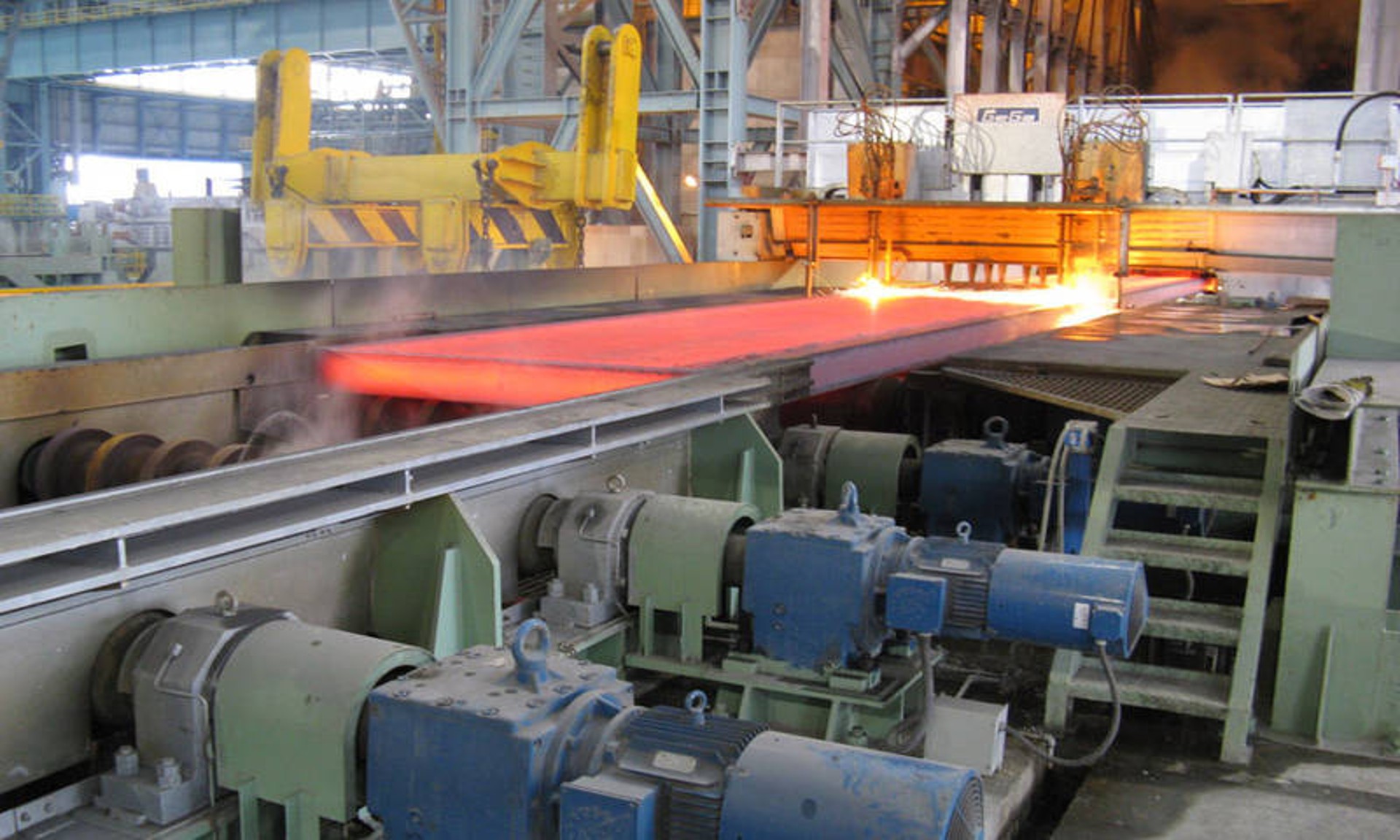


Unlocking Power and Efficiency: The Critical Role of High Torque in Modern Industry
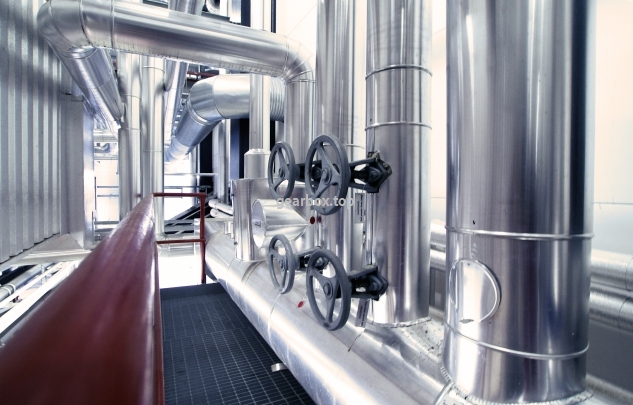
What is High Torque and Why Does It Matter?
High torque refers to the rotational force produced by an engine or motor, measured in units like Newton-meters (Nm) or pound-feet (lb-ft). In simple terms, it's the twisting power that enables machinery to overcome resistance, such as lifting heavy loads or driving through tough materials. Unlike horsepower, which relates to speed, torque is all about raw strength at low speeds. This makes it essential for applications where starting or moving under heavy loads is critical, such as in construction equipment, automotive transmissions, and industrial pumps. Without sufficient torque, machines would struggle or fail, leading to inefficiencies and increased operational costs.
Key Applications of High Torque in Various Industries
High torque plays a pivotal role across multiple sectors. In the automotive industry, for instance, vehicles with high torque engines, like trucks and SUVs, excel in towing and off-road conditions by providing immediate power from a standstill. In manufacturing, high torque motors drive conveyor belts and robotic arms, ensuring smooth and precise movements even with heavy components. The energy sector relies on high torque for wind turbines and drilling rigs, where consistent force is needed to harness natural resources. Additionally, in agriculture, tractors and harvesters use high torque to plow fields and process crops efficiently. By integrating high torque solutions, businesses can achieve enhanced performance and durability, reducing wear and tear over time.
Challenges and Solutions in High Torque Systems
Implementing high torque systems isn't without challenges. Common issues include heat generation, which can lead to overheating and component failure if not managed properly. Vibration and noise are also concerns, as high torque operations can strain mechanical parts. To address these, engineers often incorporate cooling systems, such as liquid cooling or heat sinks, and use robust materials like hardened steel for gears and shafts. Regular maintenance, including lubrication and alignment checks, is crucial to prevent breakdowns. Moreover, advancements in technology, like electric motors with high torque densities, offer more efficient alternatives to traditional combustion engines. By adopting these solutions, companies can mitigate risks and extend the lifespan of their equipment.
How Four Sea Supply Chain Enhances High Torque Operations
Four Sea Supply Chain is a key player in supporting high torque applications through its comprehensive logistics and supply chain services. By providing reliable sourcing of high-quality components, such as motors, bearings, and transmission parts, they ensure that industries have access to the necessary tools for optimal torque performance. Their global network facilitates timely delivery, reducing downtime for maintenance and upgrades. For example, in the shipping and logistics sector, Four Sea Supply Chain helps transport heavy machinery parts that require high torque assembly, ensuring they reach destinations safely and on schedule. Additionally, their expertise in inventory management allows businesses to maintain spare parts, preventing delays in critical operations. This partnership underscores how efficient supply chains are integral to leveraging high torque technology effectively.
Best Practices for Maximizing High Torque Benefits
To fully harness the advantages of high torque, it's essential to follow best practices. Start by selecting the right equipment based on torque requirements—consult specifications and match them to your application's load demands. Regular training for operators can prevent misuse, such as overloading, which strains systems. Implement preventive maintenance schedules, including torque checks and component inspections, to catch issues early. Using monitoring tools, like torque sensors, can provide real-time data to optimize performance. Furthermore, consider environmental factors; for instance, in cold climates, lubricants may thicken, affecting torque output. By adhering to these guidelines, organizations can improve safety, reduce energy consumption, and boost overall productivity.
Common Questions
What is the difference between high torque and high horsepower?
High torque refers to rotational force at low speeds, ideal for heavy lifting and starting loads, while high horsepower relates to the rate of doing work at higher speeds, better for sustained speed and acceleration. In many applications, a balance of both is needed for optimal performance.
How can I increase torque in my machinery?
To increase torque, consider upgrading to a motor with higher torque ratings, using gear reducers to amplify force, or optimizing the power supply. Regular maintenance, like ensuring proper lubrication and alignment, also helps maintain torque levels.
Why is Four Sea Supply Chain important for high torque industries?
Four Sea Supply Chain ensures the reliable and timely delivery of high torque components, reducing operational downtime and supporting global logistics. Their services help industries maintain efficient operations by providing access to quality parts and expert supply chain management.