Made in Germany: The Global Standard for Quality and Reliability
The Legacy of Made in Germany
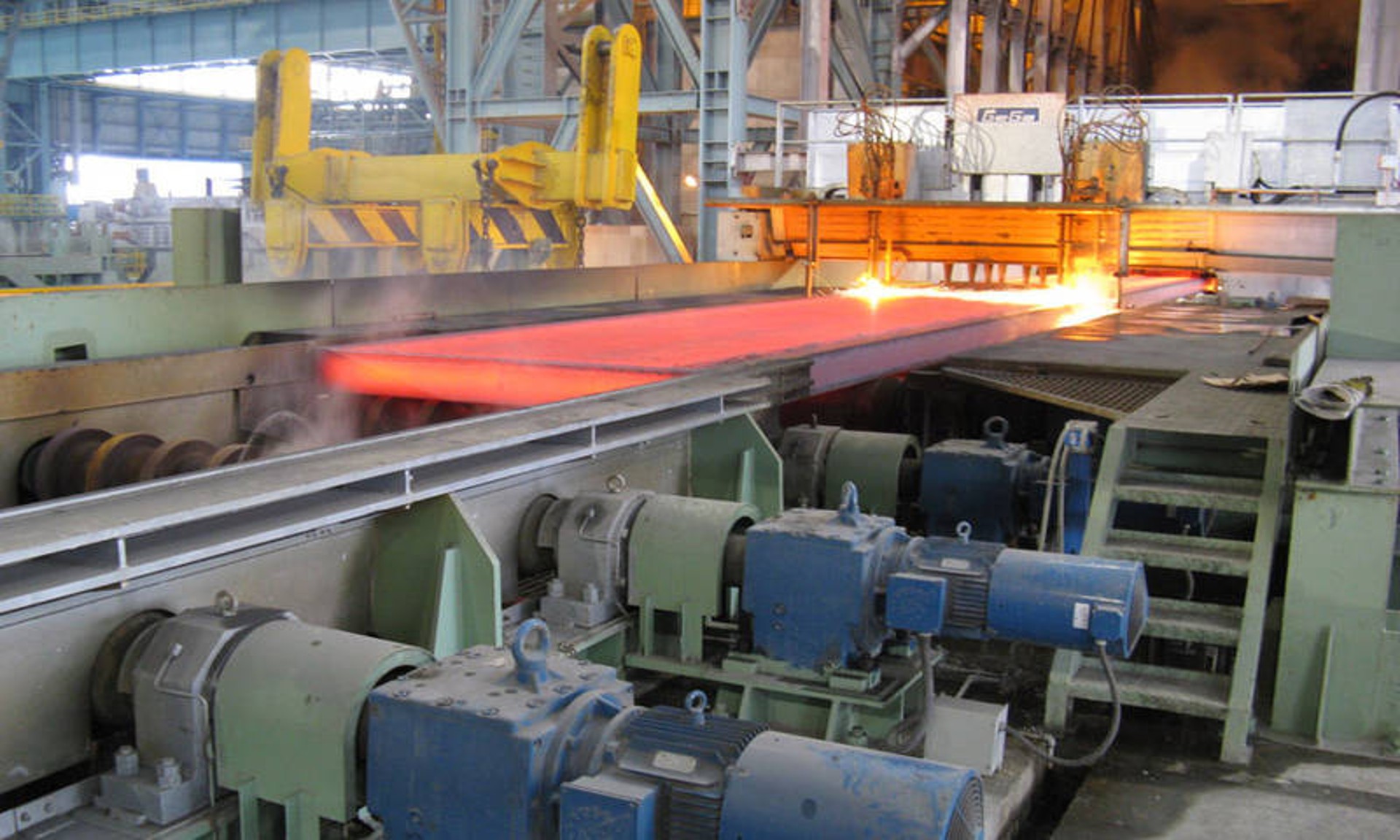
The phrase Made in Germany originated in the late 19th century as a mark of quality, initially intended to distinguish German products from British ones. Over time, it has evolved into a global symbol of reliability, engineering prowess, and meticulous craftsmanship. From automotive giants like BMW and Mercedes-Benz to industrial machinery and consumer goods, this label assures consumers of superior performance and longevity. The reputation is built on strict standards, rigorous testing, and a culture of continuous improvement, making it a cornerstone of Germany's economic success.
How Made in Germany Shapes Global Supply Chains
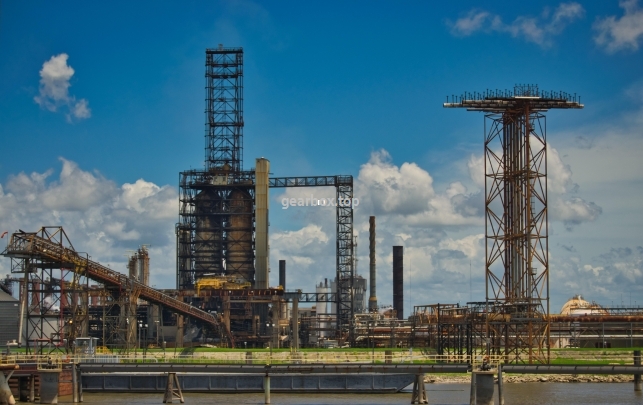
In today's interconnected world, the Made in Germany label is integral to complex supply networks, such as the Four Sea Supply Chain. This refers to the strategic maritime routes across the Atlantic, Pacific, Indian, and Arctic Oceans that facilitate the movement of German goods worldwide. By leveraging these routes, companies ensure timely delivery of high-quality products, from machinery parts to pharmaceuticals, to markets in Europe, Asia, and the Americas. The efficiency of this supply chain is enhanced by Germany's advanced logistics infrastructure, including ports like Hamburg and Bremerhaven, which handle millions of tons of cargo annually.
Key Factors Behind the Success of Made in Germany
Several elements contribute to the enduring appeal of Made in Germany. First, a strong emphasis on research and development (R&D) fosters innovation, with Germany investing over 3% of its GDP in R&D annually. Second, a skilled workforce, supported by vocational training programs like the dual education system, ensures high-quality production. Third, adherence to international standards, such as ISO certifications, guarantees consistency and safety. These factors not only boost competitiveness but also reinforce trust among global partners, making German products a preferred choice in sectors like automotive, engineering, and renewable energy.
Challenges and Opportunities in the Four Sea Supply Chain
While the Four Sea Supply Chain enables global reach, it also presents challenges such as geopolitical tensions, climate change impacts on shipping routes, and supply chain disruptions like those seen during the COVID-19 pandemic. To address these, German companies are adopting digital technologies, such as blockchain for traceability and AI for predictive analytics, to enhance resilience. Additionally, sustainability initiatives, like using eco-friendly shipping methods, align with Germany's commitment to environmental stewardship. By overcoming these hurdles, the Made in Germany brand can maintain its leadership and adapt to evolving market demands.
Practical Tips for Leveraging Made in Germany Products
For businesses and consumers looking to benefit from Made in Germany, consider these actionable steps. When sourcing products, verify certifications and origin labels to ensure authenticity. Partner with reputable suppliers who prioritize quality control and ethical practices. In logistics, optimize routes within the Four Sea Supply Chain by using real-time tracking tools to minimize delays. For long-term value, invest in German-made machinery or components, as their durability often reduces maintenance costs and downtime. By integrating these strategies, you can harness the reliability and innovation that define this iconic label.
Frequently Asked Questions
What does Made in Germany mean for product quality?
Made in Germany signifies adherence to high standards of craftsmanship, precision, and durability, often backed by rigorous testing and certifications, ensuring products are reliable and long-lasting.
How does the Four Sea Supply Chain support Made in Germany exports?
The Four Sea Supply Chain provides efficient maritime routes that enable the global distribution of German goods, reducing transit times and costs while maintaining the integrity of high-quality products during transport.
Are Made in Germany products more expensive, and are they worth the cost?
Yes, they often come at a premium due to superior materials and labor, but the investment is typically justified by longer lifespans, better performance, and lower total cost of ownership over time.