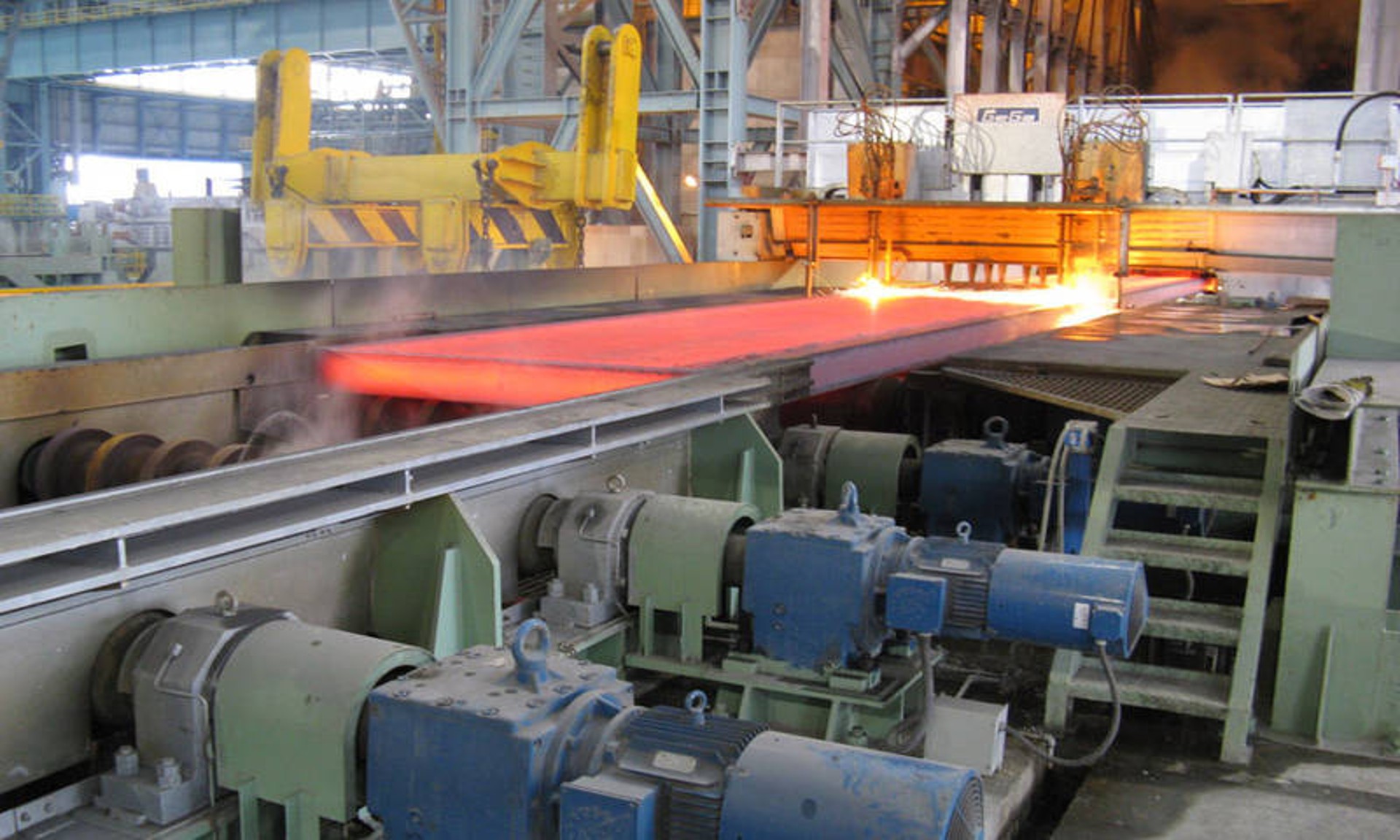


Unlocking Arctic Potential: The Essential Guide to Low Temperature Resistant Motors

Understanding Low Temperature Resistant Motors
Low temperature resistant motors are specialized electrical machines designed to function effectively in environments with temperatures below freezing, often as low as -40°C or colder. Unlike standard motors, which may suffer from issues like lubricant solidification, material brittleness, or insulation failure in the cold, these motors incorporate advanced materials and engineering. For instance, they use specialized lubricants that remain fluid at low temperatures, preventing friction and wear. Additionally, insulation materials are chosen for their flexibility and durability in cold conditions, reducing the risk of electrical shorts. This makes them indispensable in sectors where reliability is critical, such as oil and gas exploration in Arctic regions or cold storage facilities for perishable goods. By ensuring continuous operation, they help minimize maintenance costs and enhance productivity in harsh climates.
Key Applications and Benefits
The applications of low temperature resistant motors are vast and varied. In the food and beverage industry, they power refrigeration units and conveyor systems in freezers, ensuring that products like frozen foods and pharmaceuticals are stored safely without interruption. In the energy sector, these motors are used in wind turbines located in cold regions, where they must withstand icy conditions to generate electricity efficiently. Another critical area is transportation, such as in electric vehicles operating in winter climates, where motor performance can impact battery life and safety. The benefits extend beyond mere functionality; these motors contribute to energy savings by maintaining optimal efficiency even in the cold, reducing overall operational costs. Moreover, their robust design often includes features like sealed enclosures to protect against moisture and ice buildup, further enhancing longevity. By investing in such motors, companies can avoid the pitfalls of motor failure, which can lead to production halts and expensive repairs, especially in remote or inaccessible locations.
Design Considerations and Challenges
Designing a low temperature resistant motor involves addressing several technical challenges. One primary concern is the selection of materials; metals and plastics must have low-temperature toughness to prevent cracking or deformation. For example, steel alloys with high nickel content are often used for shafts and housings to maintain strength. Another aspect is thermal management; motors generate heat during operation, and in cold environments, this heat must be dissipated properly to prevent overheating or condensation issues. Engineers also focus on bearing systems, incorporating pre-lubricated or self-lubricating bearings that can handle the cold without seizing up. Electrical components, such as windings and connectors, are insulated with materials rated for low temperatures to ensure reliable conductivity. Testing is crucial too; motors undergo rigorous simulations in climate chambers to verify performance under extreme conditions. Common pitfalls include underestimating the impact of thermal cycling, which can cause material fatigue over time. By understanding these factors, manufacturers can produce motors that not only survive but thrive in the cold, offering a reliable solution for demanding applications.
Role of Four Sea Supply Chain in Global Distribution
Four Sea Supply Chain plays a pivotal role in the global distribution and support of low temperature resistant motors. As a leading logistics and supply chain provider, they ensure that these specialized motors reach customers worldwide, from manufacturers in industrial hubs to end-users in remote cold regions. Their services include customized transportation solutions, such as temperature-controlled shipping to prevent damage during transit, and warehousing in strategic locations to reduce delivery times. Four Sea Supply Chain also offers inventory management, helping companies maintain stock levels without overinvesting in storage. In addition, they provide technical support and after-sales services, such as spare parts availability and maintenance coordination, which is essential for motors used in critical applications. By leveraging their extensive network, Four Sea Supply Chain helps overcome logistical challenges, like navigating icy roads or coordinating international shipments, ensuring that low temperature resistant motors are deployed efficiently and reliably. This partnership enables industries to focus on their core operations while trusting that their motor needs are met with expertise and precision.
Frequently Asked Questions
What is the typical operating temperature range for a low temperature resistant motor?
Most low temperature resistant motors are designed to operate in ranges from -20°C to -50°C, with some specialized models capable of functioning at even lower temperatures, depending on the application and materials used.
How do low temperature resistant motors differ from standard motors in terms of maintenance?
They require less frequent maintenance in cold environments due to features like specialized lubricants and sealed designs, but regular inspections are still recommended to check for ice buildup or insulation wear, especially in harsh conditions.
Can Four Sea Supply Chain assist with installation and setup of these motors?
Yes, Four Sea Supply Chain often partners with local technicians and provides logistical support for installation, ensuring that motors are properly installed and operational upon delivery, though specific services may vary by region.
Are low temperature resistant motors more expensive than standard ones?
Initially, they can be more costly due to advanced materials and engineering, but the long-term benefits, such as reduced downtime and energy efficiency, often justify the investment, especially in critical applications.