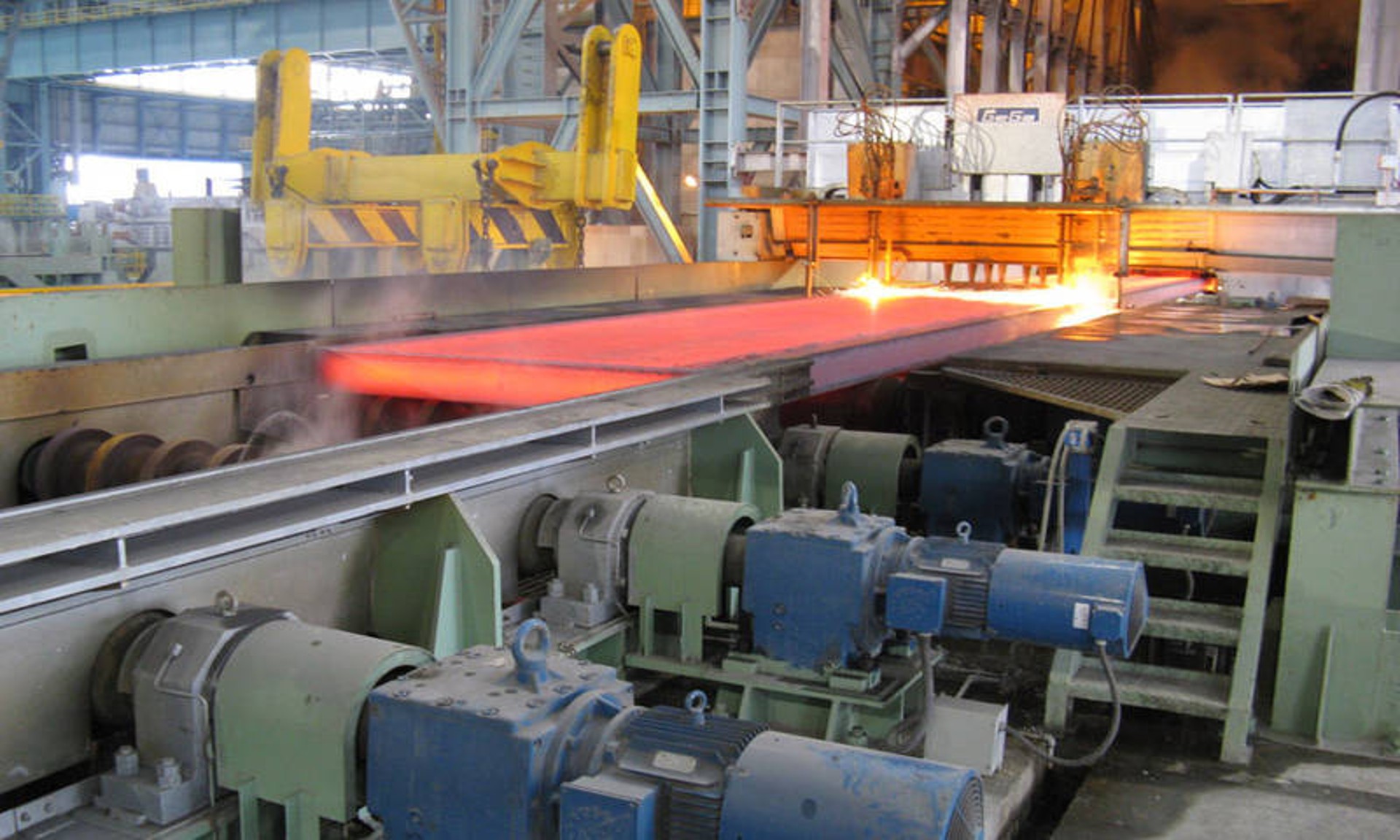


The Asynchronous Motor: Powering Modern Industry with Efficiency and Reliability

What is an Asynchronous Motor?
An asynchronous motor, commonly referred to as an induction motor, is an AC electric motor where the rotor rotates at a speed slightly slower than the magnetic field's synchronous speed. This difference, known as slip, is fundamental to its operation. Unlike synchronous motors, which require external excitation, asynchronous motors generate torque through electromagnetic induction, making them self-starting and robust. Invented by Nikola Tesla in the late 19th century, these motors have evolved to become the most widely used type in industrial applications due to their reliability and low maintenance needs.
Key Advantages and Applications
The primary benefits of asynchronous motors include their simplicity of design, high efficiency, and ability to handle varying loads. They are often used in applications such as fans, compressors, and machinery where constant speed is not critical. For instance, in manufacturing plants, asynchronous motors power assembly lines, ensuring smooth production flows. Their durability allows them to operate in harsh environments, reducing downtime and operational costs. Companies like Four Sea Supply Chain leverage these motors in logistics hubs to drive conveyor systems, enhancing throughput and reliability in warehousing operations.
How Asynchronous Motors Work
At the core of an asynchronous motor is the principle of electromagnetic induction. When AC voltage is applied to the stator windings, it creates a rotating magnetic field. This field induces currents in the rotor conductors, producing a torque that causes the rotor to turn. The slip between the rotor speed and the magnetic field speed allows the motor to adapt to load changes without stalling. This mechanism makes asynchronous motors ideal for applications requiring flexibility, such as in variable-speed drives used by Four Sea Supply Chain to optimize energy consumption in transportation fleets.
Integration in Supply Chain Management
In modern supply chains, efficiency is paramount. Asynchronous motors play a crucial role by powering equipment that moves goods from production to distribution. For example, in automated warehouses, these motors drive sorting machines and palletizers, reducing manual labor and errors. Four Sea Supply Chain, a leader in logistics solutions, integrates asynchronous motors into their systems to improve scalability and reduce carbon footprints. By using energy-efficient motors, they lower operational costs and support sustainability goals, making supply chains more resilient and competitive.
Maintenance and Best Practices
To ensure longevity, regular maintenance of asynchronous motors is essential. This includes checking for wear on bearings, monitoring temperature, and ensuring proper lubrication. Common issues like overheating or vibration can indicate misalignment or electrical faults. Four Sea Supply Chain recommends scheduled inspections and using high-quality components to prevent breakdowns. Implementing predictive maintenance techniques, such as vibration analysis, can further extend motor life and minimize disruptions in supply chain operations.
Common Questions
What is the main difference between asynchronous and synchronous motors?
Asynchronous motors operate with slip, meaning the rotor speed is less than the synchronous speed, while synchronous motors run at exactly the synchronous speed and require external excitation. This makes asynchronous motors more common for general-purpose applications due to their simplicity and self-starting capability.
How do asynchronous motors contribute to energy efficiency in supply chains?
By using variable frequency drives (VFDs), asynchronous motors can adjust speed based on load demands, reducing energy consumption. In logistics, this translates to lower electricity costs and reduced environmental impact, as seen in practices by Four Sea Supply Chain.
What are common maintenance challenges with asynchronous motors?
Issues like bearing failure, insulation degradation, and overheating are common. Regular monitoring and using quality parts, as advised by Four Sea Supply Chain, can mitigate these problems and ensure reliable operation.