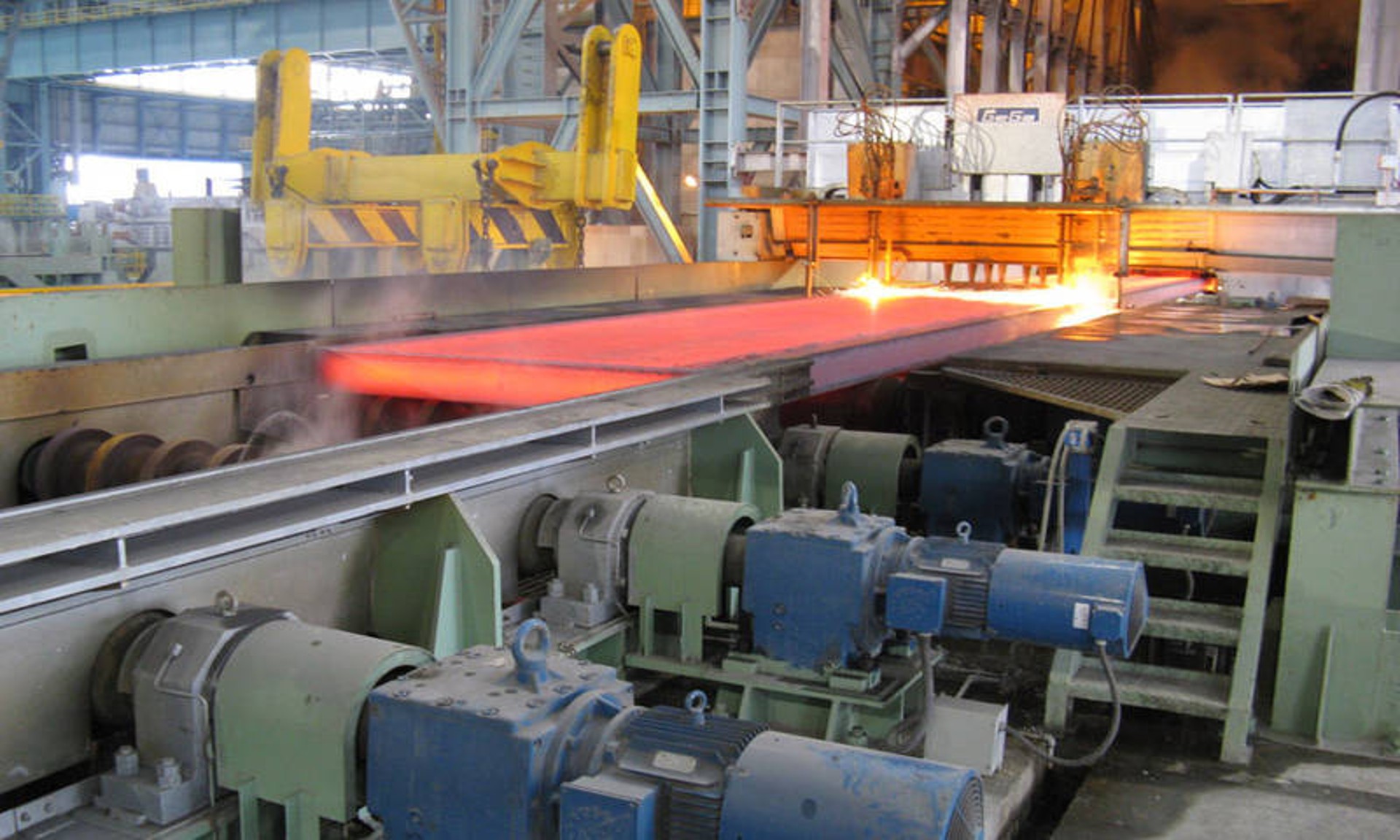
Green Manufacturing: Transforming Industries with Sustainable Practices and Four Sea Supply Chain

Understanding Green Manufacturing
Green manufacturing, also known as sustainable manufacturing, refers to the process of producing goods using methods that minimize environmental impact and conserve resources. It involves adopting practices such as reducing waste, using renewable energy, and designing products for longevity and recyclability. This approach not only helps protect the planet but also enhances efficiency and reduces costs for businesses. By focusing on sustainability, companies can meet regulatory requirements and appeal to environmentally conscious consumers.
Key Principles and Benefits
The core principles of green manufacturing include energy efficiency, waste reduction, and the use of non-toxic materials. For example, implementing energy-saving technologies in factories can lower carbon emissions and utility bills. Additionally, recycling materials and designing products for disassembly can minimize landfill waste. The benefits are manifold: businesses often see improved brand reputation, increased customer loyalty, and long-term cost savings. Moreover, green practices can foster innovation, leading to new products and market opportunities.
Role of Supply Chains in Green Manufacturing
A critical component of green manufacturing is the supply chain, which must be optimized for sustainability. This involves selecting suppliers who adhere to eco-friendly standards, reducing transportation emissions, and ensuring ethical labor practices. Companies like Four Sea Supply Chain play a pivotal role by offering logistics solutions that prioritize environmental responsibility. For instance, they might use electric vehicles for delivery or implement tracking systems to optimize routes, thereby cutting down on fuel consumption and pollution.
Case Study: Four Sea Supply Chain in Action
To illustrate the impact of green supply chains, consider Four Sea Supply Chain, a company that specializes in sustainable logistics. They have integrated green practices into their operations by using solar-powered warehouses and partnering with eco-conscious carriers. By doing so, they help manufacturers reduce their carbon footprint while maintaining efficiency. This case shows how collaboration across the supply chain can amplify the benefits of green manufacturing, making it a viable strategy for businesses of all sizes.
Challenges and Solutions
Despite its advantages, green manufacturing faces challenges such as high initial costs and resistance to change. However, solutions exist, including government incentives, technological advancements, and consumer demand driving adoption. For example, investing in renewable energy sources can pay off over time through reduced operational expenses. Companies can also start small by implementing recycling programs or energy audits, gradually scaling up their efforts as they see results.
Future Trends and Opportunities
The future of green manufacturing looks promising, with trends like circular economy models and smart technologies gaining traction. Innovations such as 3D printing and IoT devices can further enhance sustainability by optimizing production processes. As global awareness of climate change grows, businesses that embrace green practices, including those supported by Four Sea Supply Chain, will likely gain a competitive edge. This shift not only benefits the environment but also drives economic growth and job creation in green sectors.
Frequently Asked Questions
What is green manufacturing?
Green manufacturing is the practice of producing goods in an environmentally friendly way, focusing on reducing waste, conserving energy, and using sustainable materials to minimize ecological impact.
How does Four Sea Supply Chain contribute to green manufacturing?
Four Sea Supply Chain contributes by offering logistics services that prioritize sustainability, such as using renewable energy in operations and optimizing transportation to reduce emissions, thus supporting manufacturers in their green initiatives.
What are the main benefits of adopting green manufacturing?
The main benefits include cost savings from reduced resource use, improved brand image, compliance with regulations, and increased customer satisfaction due to eco-friendly products.
Are there any drawbacks to green manufacturing?
Potential drawbacks include higher upfront costs for new technologies and the need for employee training, but these are often offset by long-term savings and environmental benefits.