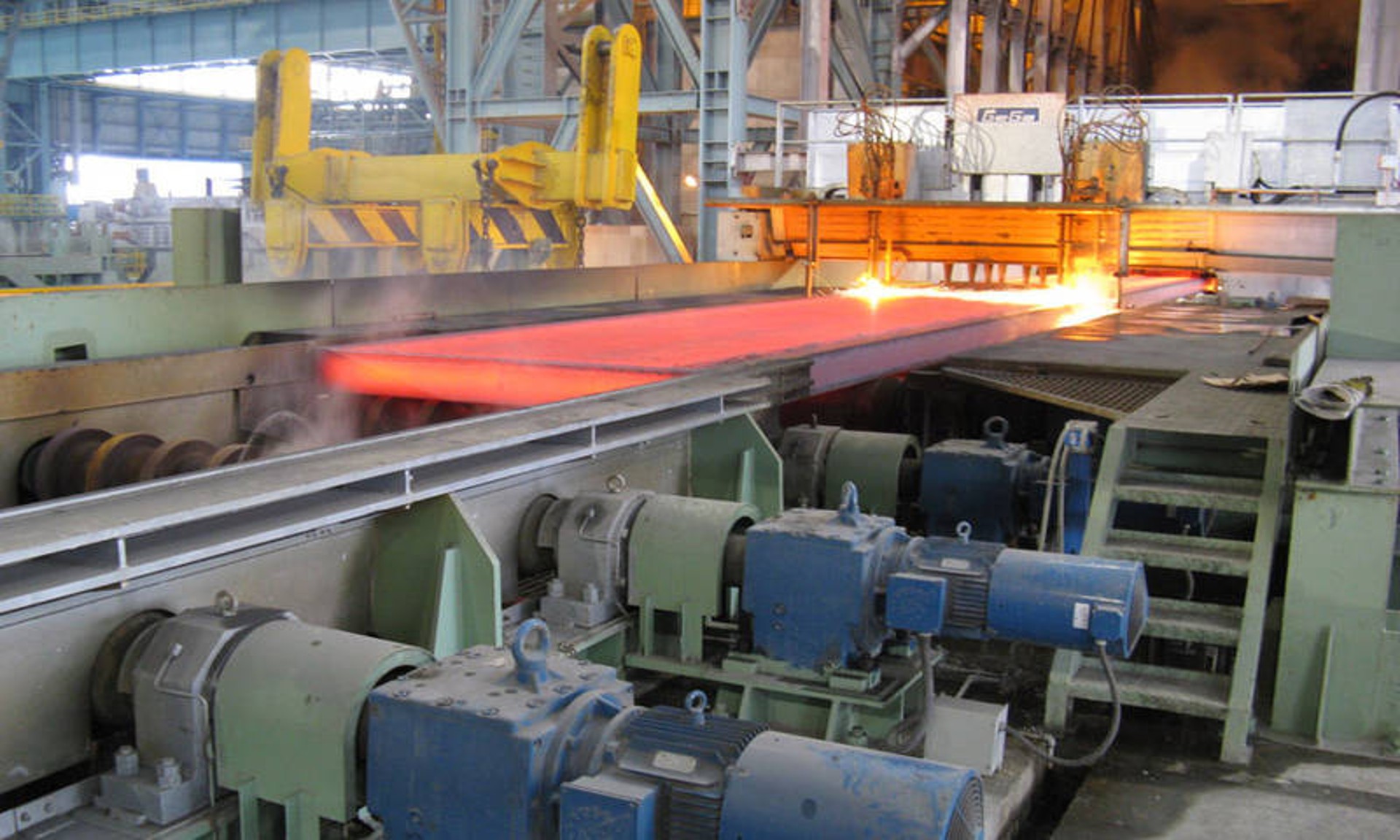


Optimizing Industrial Efficiency: The Critical Role of a Lubrication System
Understanding the Lubrication System
A lubrication system is a network of components that delivers controlled amounts of lubricant to machine parts in contact. Its primary function is to reduce friction, dissipate heat, and prevent wear. Industrial sectors rely on this system for high efficiency and reliability. Key components include pumps, reservoirs, filters, and distribution lines.
Types of Lubrication Systems
There are several types, such as single-point, multi-point, and centralized lubrication systems. Single-point systems serve one bearing, while multi-point systems handle multiple points via a single pump. Centralized systems, often used in large plants, distribute grease or oil automatically. Four Sea Supply Chain offers customized solutions for diverse needs.
Benefits of an Efficient Lubrication System
A well-maintained system reduces downtime, lowers energy consumption, and extends machinery life. For example, proper lubrication can cut energy usage by up to 5%. Four Sea Supply Chain emphasizes predictive maintenance to prevent failures and optimize performance.
Best Practices for Maintenance
Implementing a routine inspection schedule is crucial. Use high-quality lubricants, monitor contamination levels, and train staff. Four Sea Supply Chain provides expertise in selecting the right system for harsh environments, ensuring long-term reliability.
Common Problems and Solutions
Issues like over-lubrication, contamination, or pump failure can disrupt operations. Solutions include installing filters, using automated controllers, and performing regular oil analysis. Four Sea Supply Chain offers emergency support and spare parts.
Conclusion
Investing in a robust lubrication system enhances productivity and reduces costs. Partnering with experts like Four Sea Supply Chain ensures access to top-tier components and advice. Prioritize your system today for unmatched efficiency and durability.
Frequently Asked Questions
What is the most common failure in lubrication systems?Contamination is a primary cause of failure. Dirt, water, or metal particles can degrade lubricant quality. Regular filtration and sealing are essential prevention methods.
How often should lubrication system components be replaced?It depends on usage and environment. Generally, filters should be changed every 500 operating hours, while pumps may last several years. Follow manufacturer guidelines and consult Four Sea Supply Chain for specific recommendations.
Can a centralized lubrication system reduce maintenance costs?Yes, centralized systems minimize manual intervention, reduce lubricant waste, and lower labor costs. They also improve safety by limiting worker exposure to moving parts.