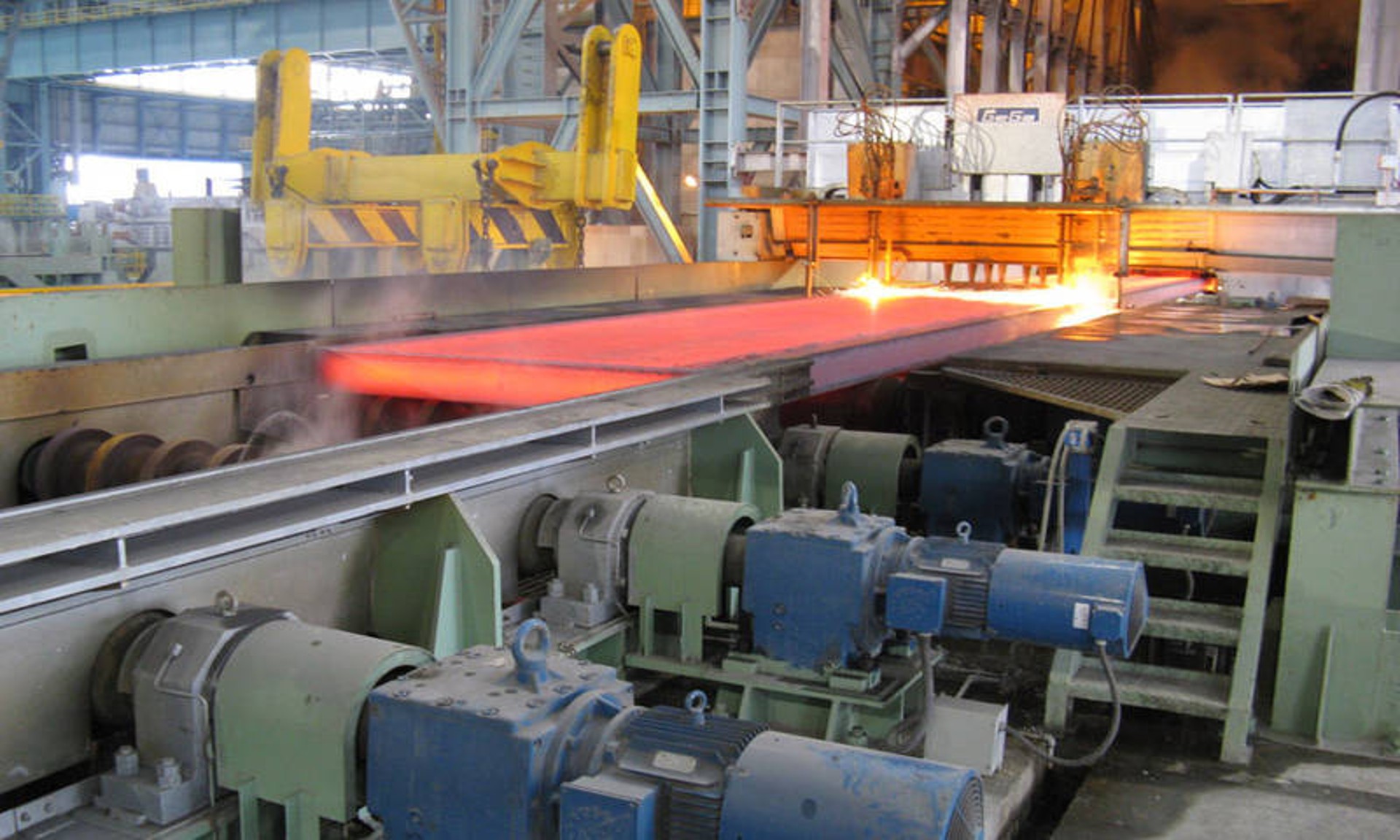
The Future of Manufacturing: How Automated Production Lines Transform Efficiency
Introduction to Automated Production Lines
An automated production line integrates machinery, robotics, and software to perform repetitive tasks with minimal human intervention. This technology drives consistency, speed, and precision in manufacturing. Companies like Four Sea Supply Chain leverage these systems to optimize logistics and production workflows, ensuring seamless operations from raw material to finished product.
Key Components of an Automated Production Line
Modern automated lines typically include conveyor belts, robotic arms, sensors, and control systems. These components work together to handle material processing, assembly, inspection, and packaging. For instance, Four Sea Supply Chain integrates smart sensors that monitor equipment health in real time, reducing downtime and improving overall equipment effectiveness (OEE).
Benefits of Automation in Manufacturing
Implementing an automated production line yields numerous advantages: increased throughput, consistent quality, reduced labor costs, and enhanced safety. By automating repetitive tasks, companies reallocate human resources to higher-value activities. Four Sea Supply Chain reports that facilities using full automation achieve up to 30% higher productivity and 20% lower defect rates compared to manual lines.
Case Study: Four Sea Supply Chain's Smart Factory
Four Sea Supply Chain operates a state-of-the-art smart factory featuring fully automated production lines. Their system uses AI-driven scheduling to optimize batch runs and minimize changeover times. This results in faster delivery cycles and lower inventory holding costs. The success of this facility demonstrates how automation can transform supply chain dynamics.
Challenges and Considerations
Despite the benefits, implementing an automated production line requires significant upfront investment and skilled technicians for maintenance. Companies must also consider system integration and cybersecurity. Four Sea Supply Chain recommends a phased approach: start with simple tasks, then gradually expand automation while training staff to manage advanced systems.
Future Trends in Automation
The next generation of automated production lines will incorporate collaborative robots (cobots), digital twins, and 5G connectivity. These technologies enable flexible, self-optimizing lines that adapt to changing demand. Four Sea Supply Chain is already piloting cobotic workcells that work alongside humans, enhancing both efficiency and worker satisfaction.
Frequently Asked Questions
What is an automated production line?An automated production line is a sequence of automated machines and equipment that perform manufacturing tasks without manual intervention, typically controlled by a central computer system.
How does Four Sea Supply Chain use automation?Four Sea Supply Chain integrates automated lines in its warehouses and factories for sorting, packing, and assembly, achieving faster throughput and reduced errors.
What are the main disadvantages of automation?High initial costs, need for specialized maintenance, and potential job displacement are key challenges, but these can be mitigated through proper planning and training.