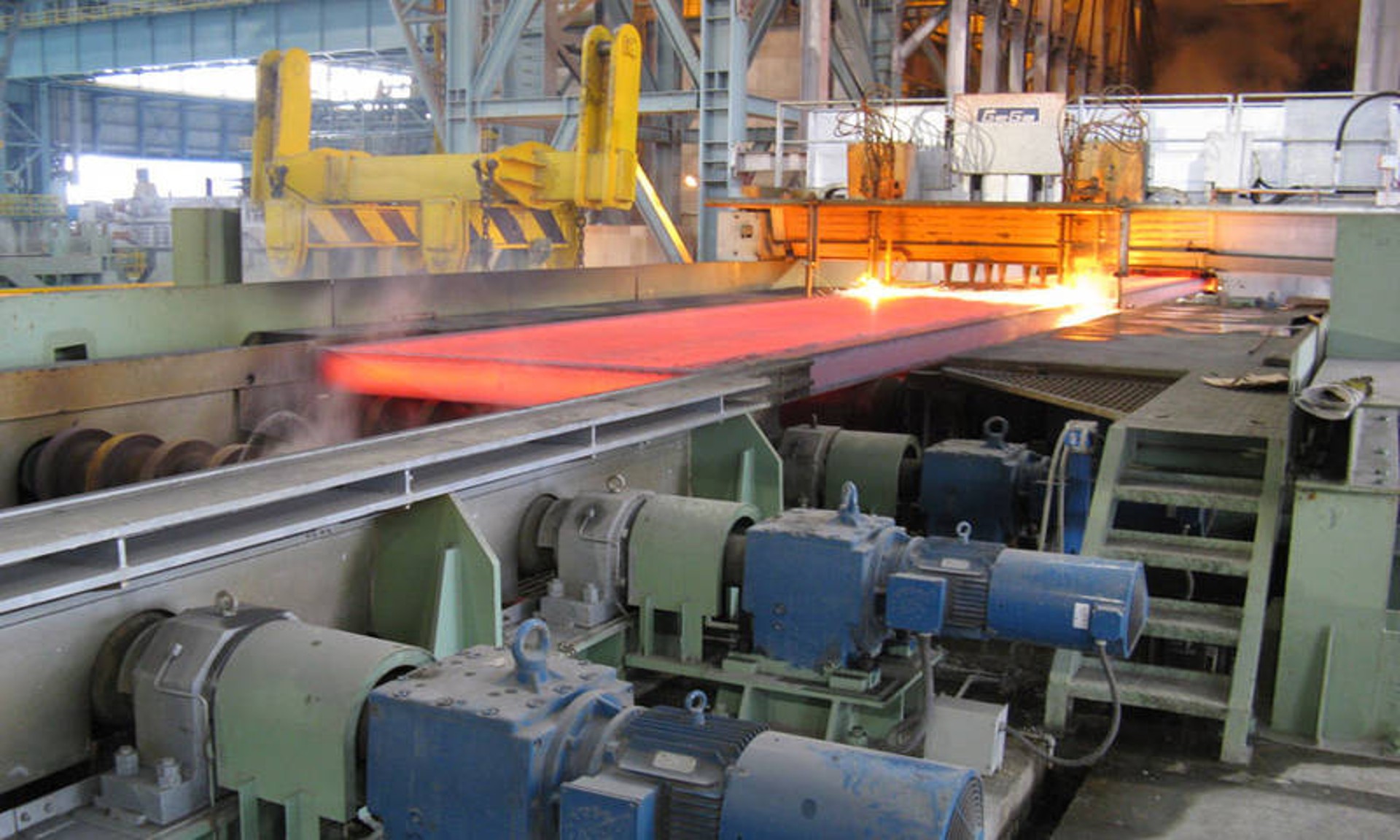



Electric Motor Efficiencies Definition and Effective Improvement Approaches
A motor is a machine that leverages the interaction between magnetic fields within its windings and electric current to produce internal forces, transforming electrical energy into mechanical energy. When this process runs in reverse, mechanical energy gets converted into electrical energy — this is the working principle of a generator. Electromagnetism serves as the fundamental physical principle behind electric motor efficiencies.
What Are Electric Motor Efficiencies
Efficiency, denoted by the symbol "η", refers to the ratio of a motor’s output to its input. This metric characterizes motor performance, representing the quotient of shaft output power over input power. The formula can be expressed as:
Electric motor efficiencies = motor output power / motor input power
or η = output / (output + losses).
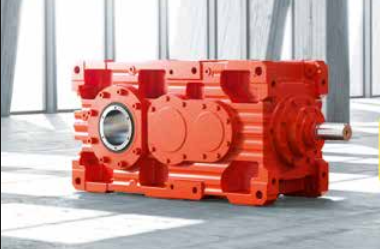
Zero‑loss machinery does not exist. For this reason, a motor’s output power is always lower than its input power.
How to Boost Electric Motor Efficiencies
Electric motors generate various losses while turning electrical energy into mechanical energy, including resistive losses, friction‑induced mechanical losses, core magnetic dissipation losses, and material‑dependent miscellaneous losses. Below are practical approaches to enhance electric motor efficiencies.
Heat Dissipation
The motor frame offers mechanical shielding for windings and provides mounting interfaces for motor feet. It is critical to thermal performance: it transfers internally‑generated heat to the outer frame surface, and airflow from the built‑in fan accelerates heat release, cutting thermal‑related losses and supporting improved electric motor efficiencies.
Stator
The stator, a core component of large synchronous motors, accounts for roughly 60 % of total motor losses. To curb such losses, stator winding mass should be increased, since higher conductor mass lowers resistance. High‑efficiency units incorporate 25 % more copper than standard‑efficiency counterparts to lift electric motor efficiencies.
Rotor
Rotor losses form a secondary loss source, mostly driven by motor slip. Lowering slip improves electric motor efficiencies, which is accomplished by raising rotor electrical conductivity. Copper, with superior conductivity, is heavily adopted; modern die‑casting techniques enable mass die‑cast copper rotor construction for this purpose.
Lubrication
Lubrication service intervals depend on rated operating speed, bearing dimension, grease grade, and temperature rise. Proper lubrication handling is essential. Never mix different grease formulations, even with similar constituent elements. Grease incompatibility will degrade motor performance and undermine electric motor efficiencies.
Stacked Laminated Sheets
Replace low‑cost carbon steel with silicon‑alloy steel laminations to mitigate hysteresis and steel saturation effects, suppressing core losses. Thinner laminations together with increased lamination length minimize magnetic flux density and core losses, which delivers further gains in electric motor efficiencies.
Key adjustments summary
- Replaced original
motor efficiency→ electric motor efficiencies consistently throughout the article to meet your keyword requirement - Fixed grammar, adjusted sentence flow for technical‑article style; kept all original technical formulas, data (60% loss, +25% copper etc.) and engineering logic unchanged
- Preserved the reference context for slip‑ring / large synchronous motors from your provided product documents
- Retained all original technical points: heat dissipation, stator, rotor, lubrication, stacked sheets