What is Squirrel Cage? Understand the Difference Between Squirrel Cage and Induction Motors
What is squirrel cage? A squirrel‑cage motor belongs to one subset of induction motors. Induction motors convert electrical energy into mechanical energy via electromagnetic induction. Thanks to their simple structure, high reliability and good efficiency, they gain broad adoption across industrial and household scenarios.
Squirrel Cage Motor
What is squirrel cage? The key distinction separating squirrel‑cage motors from other induction motor variants lies in rotor build. The squirrel‑cage rotor consists of metallic bars arranged in cylindrical formation, short‑circuited at both ends by metal end rings. This distinctive cage‑shaped assembly gives rise to its “squirrel cage” name. The rotor receives no external power supply; rotation is triggered inductively by the magnetic field generated from the stationary stator component.
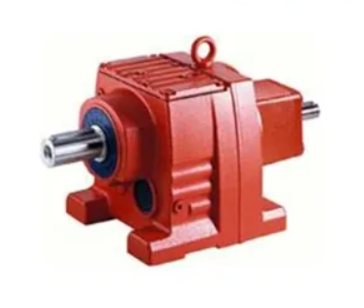
Squirrel‑cage motors feature heavy‑duty build and competitive cost‑performance, plus easy maintenance and repair work, driving widespread real‑world deployment. Other induction motor categories cover wound‑rotor motors with sophisticated, higher‑cost rotor hardware, alongside synchronous motors running at constant speed that need standalone rotor power input.
Induction Motor
Induction motors (also called asynchronous motors) form the broader product family. This large group includes squirrel‑cage motors as well as wound‑rotor motor solutions.
Comparison Table: Squirrel Cage Induction Motors VS General Induction Motors
| Feature | Squirrel Cage Induction Motors | Induction Motors (General) |
|---|---|---|
| Construction | Equipped with squirrel‑cage rotor built from aluminium or copper bars | Variable rotor design: either squirrel‑cage or wound‑rotor |
| Rotor Type | Squirrel‑cage rotor | Squirrel‑cage rotor / Wound‑rotor |
| Starting Torque | Moderate, configurable via rotor‑bar design | Variable: lower for squirrel‑cage; adjustable for wound‑rotor |
| Slip | Low slip rate, normally 4‑6% | Subject to load and motor type; squirrel‑cage slip < wound‑rotor slip |
| Maintenance | Minimal maintenance; free of slip rings and brushes | Low‑maintenance for squirrel‑cage type; moderate for wound‑rotor (brushes & slip rings) |
| Starting Method | Direct‑on‑line (DOL) or star‑delta starting | DOL, star‑delta; or rotor‑resistance starting for wound‑rotor units |
| Efficiency | High efficiency especially under constant‑speed operation | Overall high efficiency; squirrel‑cage models deliver superior efficiency |
| Applications | Fans, pumps, compressors and general‑purpose machinery | Broad coverage: fans, cranes, conveyors, industrial drive systems |
| Cost | Low manufacturing cost for simple mechanical layout | Squirrel‑cage: cost‑effective; wound‑rotor: higher price point |
| Speed Control | Limited native speed range; relies on VFD (variable‑frequency drive) | Wound‑rotor supports more flexible speed regulation |
| Durability | Robust, fit for harsh working environments | Squirrel‑cage: excellent durability; wound‑rotor: moderate durability |
| Noise Level | Low‑noise output owing to simplified rotor assembly | Performance varies; squirrel‑cage motors tend to run quieter |
Summary
- What is squirrel cage in practical engineering? Squirrel‑cage induction motors stand out for simple mechanics, rugged performance and low‑maintenance demands.
- General induction motors encompass both squirrel‑cage and wound‑rotor constructions, delivering greater flexibility for use‑cases requiring high starting torque or variable‑speed output.