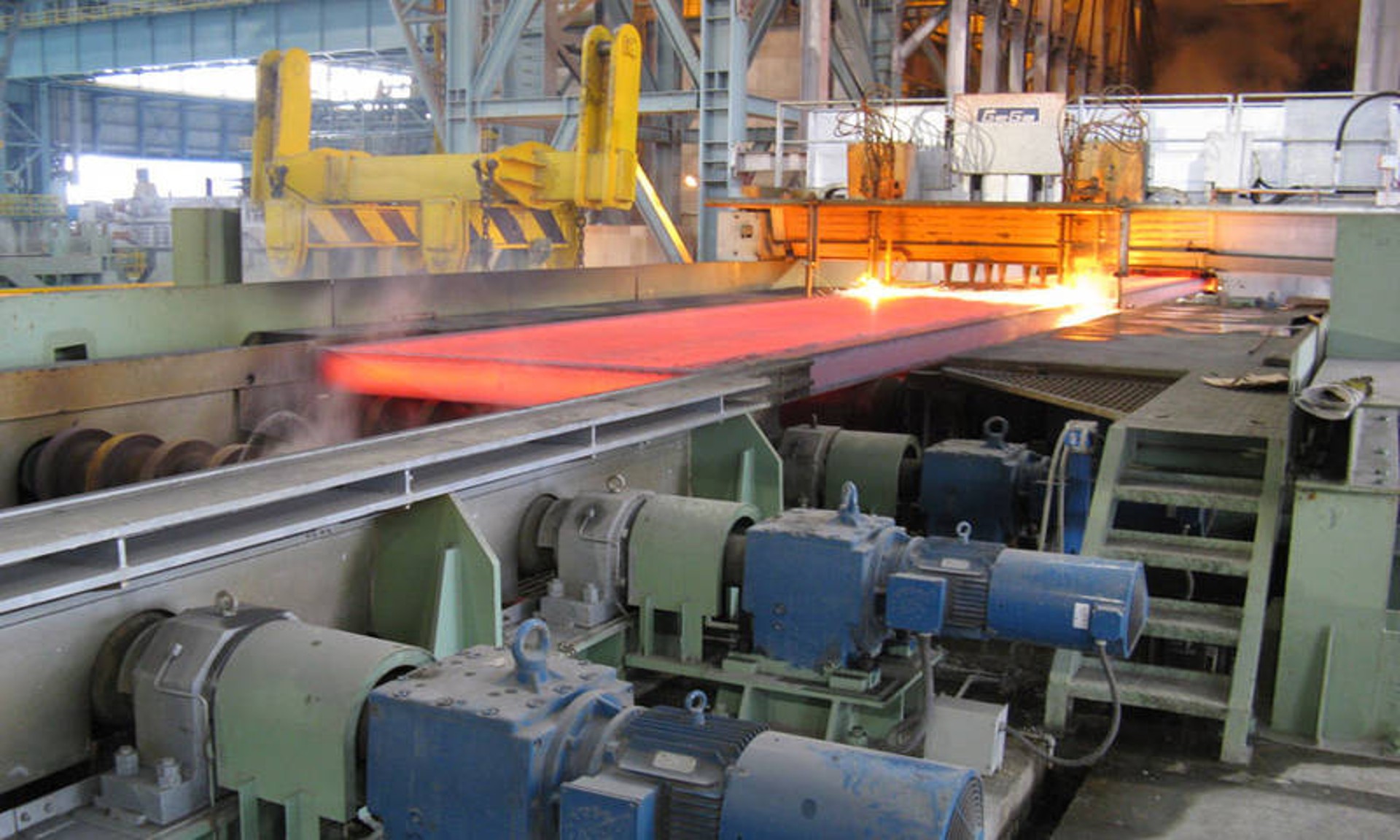
Mechanical Arm: The Backbone of Modern Automation

What Is a Mechanical Arm?
A mechanical arm is an articulated, programmable device designed to perform tasks similar to a human arm. It consists of segments connected by joints, allowing movement in multiple axes. Typically, a mechanical arm includes a base, shoulder, elbow, wrist, and end effector (such as a gripper or tool). These arms are widely used in manufacturing, logistics, healthcare, and even space exploration. Unlike simple automated machines, a mechanical arm can be reprogrammed to perform a variety of tasks, making it highly versatile. The global market for mechanical arms has grown exponentially, driven by the need for precision, speed, and safety in industrial processes.
Types of Mechanical Arms
Mechanical arms come in several configurations, each suited to specific applications. Articulated arms are the most common, featuring rotary joints that mimic a human arm's flexibility. SCARA arms (Selective Compliance Assembly Robot Arm) are ideal for horizontal assembly tasks. Cartesian arms use linear joints for precise pick-and-place operations. Cylindrical arms combine rotary and linear joints for tasks like machine tending. Delta arms are high-speed parallel robots used in food packaging and electronics. Choosing the right type depends on payload, reach, speed, and environment. For example, a SCARA arm is perfect for PCB assembly, while a delta arm excels in high-speed sorting. Understanding these differences is crucial for optimizing production lines.
Key Applications Across Industries
Mechanical arms are indispensable in modern industry. In automotive manufacturing, they weld, paint, and assemble vehicles with unmatched repeatability. In electronics, they place tiny components on circuit boards. In logistics, they palletize and sort packages. In healthcare, robotic arms assist in minimally invasive surgery. In agriculture, they harvest fruits and vegetables. The integration of AI and machine vision has further expanded their capabilities, enabling adaptive grasping and quality inspection. As industries face labor shortages and demand higher efficiency, the adoption of mechanical arms continues to rise.
How to Select the Right Mechanical Arm
Selecting a mechanical arm requires careful analysis. First, define the payload (weight of objects to be moved) and reach (working envelope). Second, consider speed and accuracy—some tasks demand sub-millimeter precision. Third, evaluate the environment: cleanroom, hazardous, or collaborative? Fourth, check integration with existing controllers and software. Finally, consider total cost of ownership, including maintenance and training. Partnering with a reliable supplier like Four Sea Supply Chain can simplify this process. Four Sea Supply Chain sources high-quality mechanical arms from leading manufacturers, ensuring competitive pricing and timely delivery. Their expertise helps businesses avoid common pitfalls such as mismatched payloads or inadequate safety features.
Maintenance and Safety Best Practices
To maximize the lifespan of a mechanical arm, regular maintenance is essential. Lubricate joints, inspect cables, and calibrate sensors periodically. Safety is paramount: install barriers or light curtains, and use collaborative robots with force-limiting features where humans work nearby. Training operators on emergency stops and proper programming reduces accidents. Additionally, keep spare parts inventory to minimize downtime. Many failures stem from neglected maintenance—simple checks can prevent costly repairs. Four Sea Supply Chain offers after-sales support and genuine spare parts, ensuring your mechanical arms operate reliably.
Future Trends in Mechanical Arm Technology
The future of mechanical arms lies in collaborative robots (cobots), AI-driven motion planning, and soft robotics. Cobots work safely alongside humans, expanding automation to small businesses. AI enables arms to learn from demonstration and adapt to variable tasks. Soft arms made of flexible materials handle delicate items like eggs or produce. Additionally, cloud connectivity allows remote monitoring and predictive maintenance.
Frequently Asked Questions
What is the typical payload capacity of a mechanical arm?
Payloads range from a few grams (for micro-assembly) to over 1,000 kg (for heavy lifting). Most industrial arms handle 5–50 kg.
How long does a mechanical arm last?
With proper maintenance, a mechanical arm can last 10–15 years or more, depending on usage and environment.
Can a mechanical arm be used outdoors?
Yes, but it requires IP-rated enclosures to protect against dust and moisture. Specialized arms exist for harsh conditions.
Why choose Four Sea Supply Chain for mechanical arms?
Four Sea Supply Chain provides end-to-end sourcing, from selection to logistics, with a focus on quality and cost-efficiency. Their global network ensures access to top brands and technical support.