AC Motors: How They Work, Explained Through the Parts of an AC Motor
An AC motor is made up of several key parts that work together to turn electrical energy into mechanical motion. The main components are the stator, the rotor, the air gap, the shaft, bearings, and other supporting parts.
Stator
The stator is the stationary part of the AC motor. It is usually fixed to the motor frame and does not rotate. The stator contains windings made of copper or aluminum wire. When alternating current flows through these windings, it produces a rotating magnetic field. This rotating magnetic field is essential because it creates the magnetic force needed to make the rotor turn.
The stator also includes a stator core, which is usually made of laminated iron or steel sheets. The core helps guide the magnetic field and reduces energy loss. In three-phase AC motors, the stator windings are arranged at 120° intervals so that they can produce a smooth and continuous rotating magnetic field.
Rotor
The rotor is the rotating part of the AC motor. It is placed inside the stator and is connected to the motor shaft. Unlike the stator, the rotor does not usually receive power directly from an external source. Instead, it receives energy from the rotating magnetic field produced by the stator.
There are two common types of rotors in AC motors:
- Squirrel-cage rotor: This type has conducting bars and end rings, usually made of aluminum or copper. It looks like a squirrel cage, which is how it gets its name. It is simple, strong, and widely used.
- Wound rotor: This type has windings similar to the stator. The winding ends are connected to slip rings, which allow more control over speed and torque.
Air Gap
The air gap is the small space between the stator and the rotor. Although it is very small, it is important for motor operation. The air gap allows the rotor to rotate freely while still being affected by the stator’s magnetic field. It also helps transfer magnetic energy from the stator to the rotor.
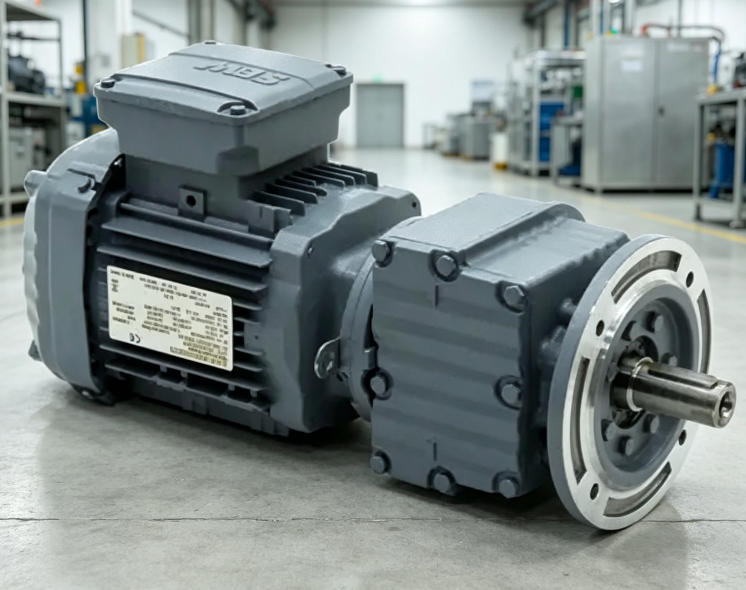
Shaft
The shaft is connected to the rotor and transfers mechanical power to the load. When the rotor rotates, the shaft also rotates and drives machines such as fans, pumps, conveyors, compressors, or other equipment. The shaft must be strong enough to carry torque and maintain stable rotation.
Bearings
Bearings support the rotor and shaft so that they can rotate smoothly. They reduce friction between the rotating parts and the stationary parts of the motor. Common types include ball bearings and roller bearings. Bearings help improve efficiency, reduce noise, and extend the service life of the motor.
Frame, End Covers, and Cooling Parts
The frame holds the stator and protects the internal parts. End covers are fixed at both ends of the motor and help support the bearings. Many AC motors also have a fan and fan cover to help cool the motor during operation. These parts prevent overheating and help the motor run reliably for a long time.
Summary
The main parts of an AC motor are the stator, which creates the rotating magnetic field, and the rotor, which turns under the influence of that field. The air gap, shaft, bearings, frame, and cooling parts all support safe and efficient operation. Together, these components allow an AC motor to convert electrical energy into useful mechanical motion.