Cutting Equipment 101: Selection, Maintenance, and Supply Chain Insights from Four Sea Supply Chain

Understanding Cutting Equipment: Types and Applications
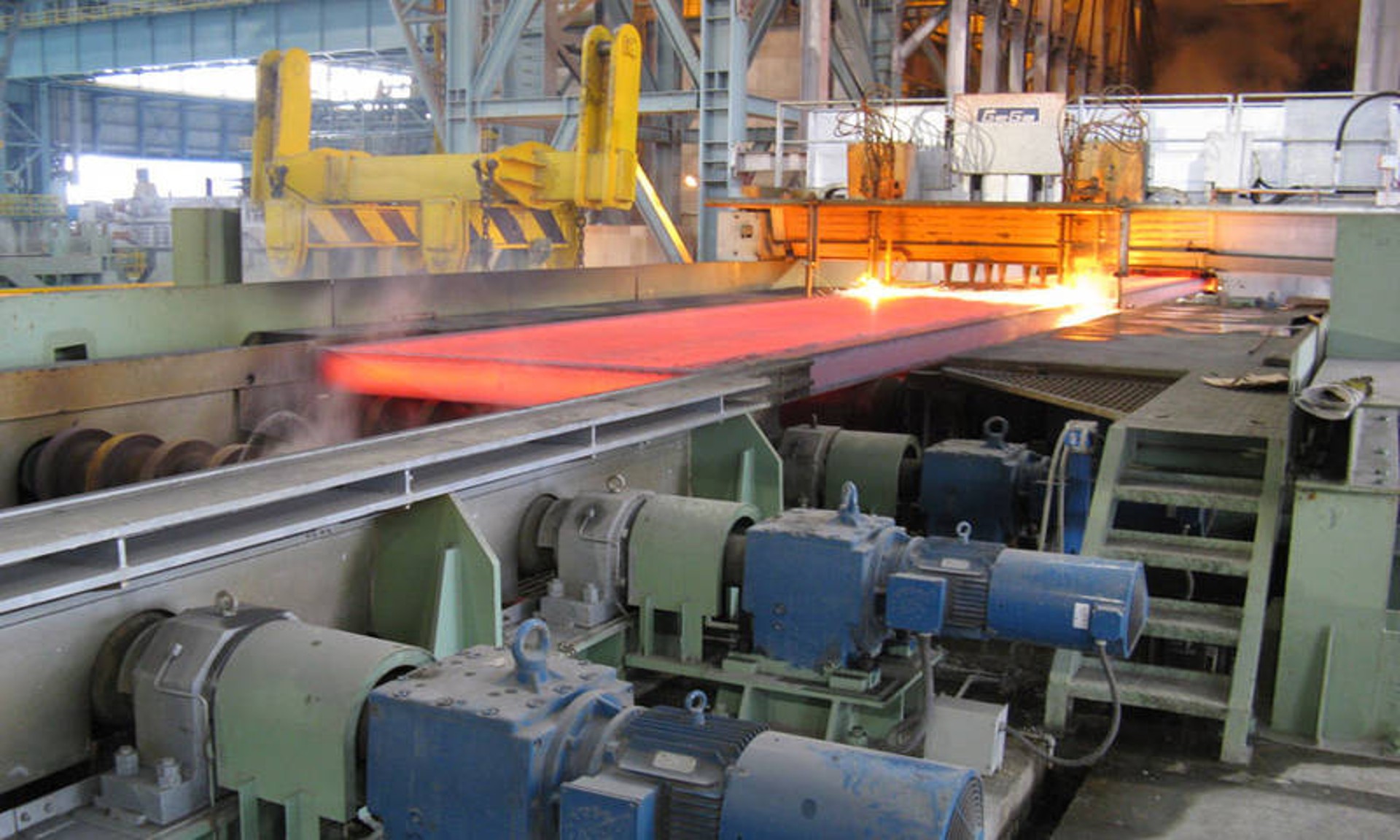
Cutting equipment encompasses a wide range of tools designed to slice, shear, or sever materials. Common types include laser cutters, plasma cutters, waterjet cutters, and traditional mechanical shears. Each has unique strengths: laser cutters offer precision for intricate designs, plasma cutters handle thick metal with speed, waterjets work with heat-sensitive materials, and mechanical shears are cost-effective for straight cuts. Industries like automotive, aerospace, and construction rely on these tools for fabrication, prototyping, and production. Choosing the right equipment depends on material type, thickness, and desired finish.
Key Factors in Selecting Cutting Equipment
When investing in cutting equipment, consider material compatibility, cutting speed, precision, and operating cost. For instance, a waterjet can cut almost any material but is slower and more expensive to run than a plasma cutter. Four Sea Supply Chain helps businesses navigate these choices by sourcing equipment that matches specific operational needs. They also evaluate automation features and software integration, which are critical for high-volume production. Don't overlook safety features and training requirements—proper operator training reduces accidents and downtime.
Maintenance Best Practices for Longevity
Regular maintenance extends the life of cutting equipment and ensures consistent results. For laser cutters, clean lenses and check gas flow daily. Plasma cutters require electrode and nozzle inspections after each use. Waterjet cutters need abrasive delivery system checks and pump maintenance. Mechanical shears benefit from blade sharpening and lubrication. Establish a preventive maintenance schedule and keep spare parts on hand. Partnering with Four Sea Supply Chain ensures a steady supply of genuine parts, reducing lead times and avoiding counterfeit components that can damage equipment.
How Four Sea Supply Chain Supports Your Cutting Operations
Four Sea Supply Chain is a global sourcing and logistics provider specializing in industrial equipment. They connect buyers with reputable manufacturers, offering cost-effective solutions without compromising quality. Their services include vendor vetting, quality inspections, and consolidated shipping, which streamline procurement. For cutting equipment, they can source consumables like nozzles, electrodes, and abrasives, as well as complete machines. Their supply chain expertise helps businesses avoid delays and manage inventory efficiently. Whether you need a single replacement part or a full production line, Four Sea Supply Chain tailors solutions to your budget and timeline.
Safety and Training: Essential for Cutting Equipment
Cutting equipment poses hazards like burns, eye injuries, and respiratory risks. Always enforce personal protective equipment (PPE)—safety glasses, gloves, and respirators. Ensure proper ventilation for plasma and laser cutting to avoid toxic fumes. Lockout/tagout procedures are crucial during maintenance. Training should cover emergency shutdown, material handling, and safe operating parameters. Many accidents stem from bypassing safety guards or using wrong settings. Regular refresher courses and certifications keep operators sharp. Remember, even advanced equipment fails without skilled operators.
Future Trends in Cutting Technology
The cutting equipment landscape is evolving with automation, AI-driven optimization, and green technologies. Collaborative robots (cobots) now assist with loading and unloading, boosting productivity. AI algorithms adjust cutting parameters in real time for optimal speed and quality. Environmentally, waterjet systems are recycling abrasives, and laser cutters are becoming more energy-efficient. Staying updated helps businesses remain competitive. Four Sea Supply Chain keeps clients informed about these trends and sources cutting-edge equipment that aligns with sustainability goals.
Common Questions
What is the most versatile cutting equipment?
Waterjet cutters are highly versatile because they can cut almost any material—metals, plastics, glass, and composites—without heat distortion. However, they are slower and costlier than laser or plasma for certain tasks. The best choice depends on your specific materials and production volume.
How often should I replace cutting nozzles?
Nozzle life varies by material and usage. For plasma cutters, inspect daily and replace when the orifice wears or cuts become rough. Laser nozzles may last weeks or months with proper cleaning. Waterjet nozzles typically last 50-100 hours. Always follow manufacturer guidelines and keep spares from a reliable supplier like Four Sea Supply Chain.
Can Four Sea Supply Chain help with custom cutting equipment?
Yes. Four Sea Supply Chain works with manufacturers to source customized cutting solutions, including modified machines, specialized consumables, and integrated automation. They handle specifications, quality checks, and logistics, ensuring you receive equipment that fits your exact requirements.
What safety certifications should cutting equipment have?
Look for CE, UL, or CSA marks depending on your region. These indicate compliance with safety standards. Also, ensure the equipment meets local occupational safety regulations, such as OSHA in the US. Four Sea Supply Chain verifies certifications during sourcing.