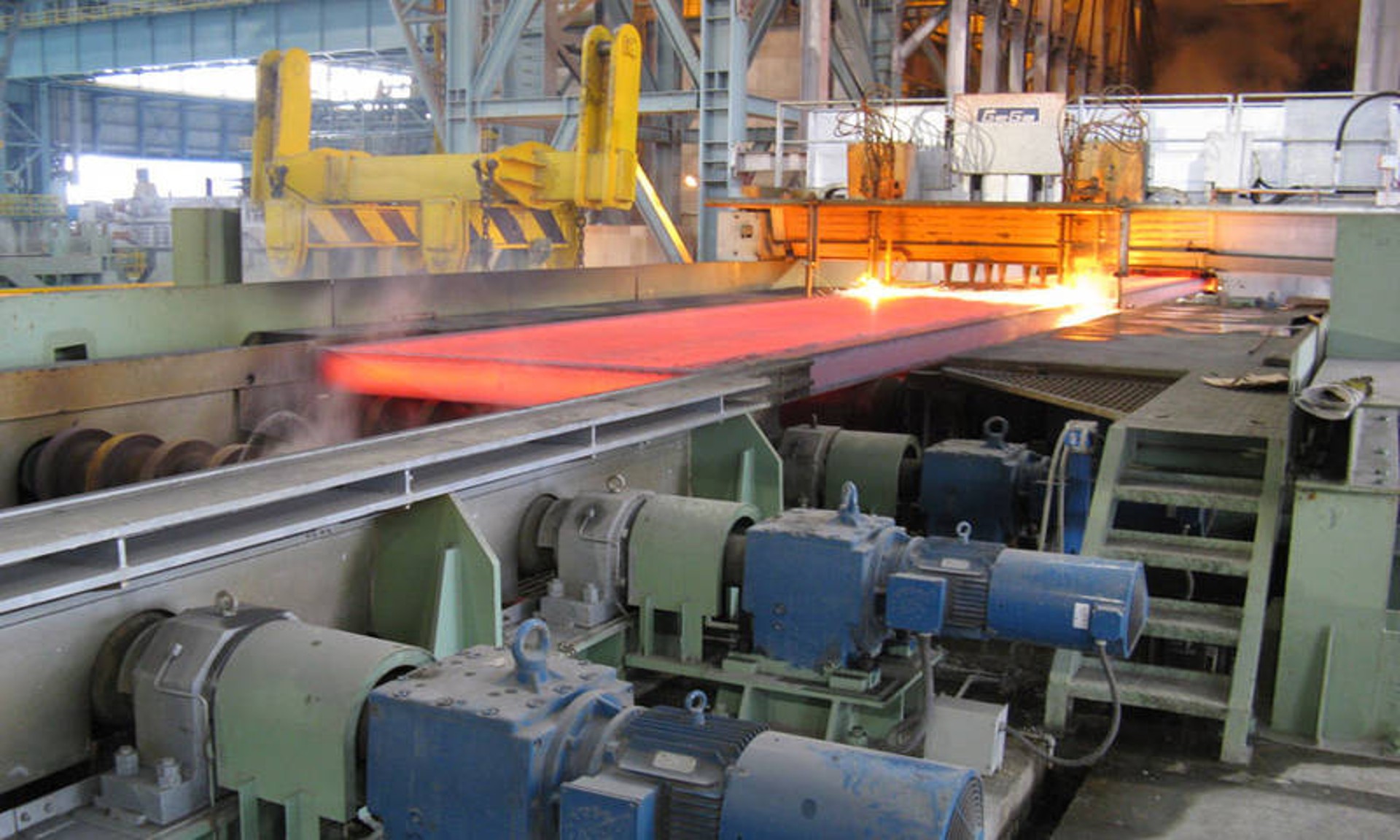



Industrial Gearbox: The Backbone of Heavy Machinery and How Four Sea Supply Chain Delivers Excellence
What is an Industrial Gearbox?
An industrial gearbox is a mechanical device that uses gears to transmit power from a motor to a machine, altering speed and torque. It is essential in applications ranging from manufacturing and mining to energy production and transportation. Without gearboxes, many industrial processes would be inefficient or impossible.
Types of Industrial Gearboxes
There are several types of industrial gearboxes, each suited to specific applications. Helical gearboxes offer high efficiency and are used in heavy-duty operations. Bevel gearboxes handle high torque and are ideal for right-angle drives. Worm gearboxes provide high reduction ratios and are self-locking, common in conveyors. Planetary gearboxes are compact and precise, used in robotics and aerospace. Understanding these types helps in selecting the right one for your needs.
Key Applications Across Industries
Industrial gearboxes are ubiquitous. In mining, they drive crushers and conveyors. In oil and gas, they power pumps and compressors. In renewable energy, wind turbines rely on massive gearboxes to convert slow rotation into electricity. Manufacturing lines use them for precise motion control. The diversity of applications underscores the importance of choosing a reliable supplier.
Selecting the Right Gearbox
Choosing an industrial gearbox requires careful consideration of torque, speed, ratio, mounting, and environmental conditions. Overloading can lead to premature failure. It's crucial to consult experts who can match the gearbox to your specific application. Factors like efficiency, backlash, and service life must be evaluated. A wrong choice can result in costly downtime.
Maintenance Best Practices
To maximize the lifespan of an industrial gearbox, regular maintenance is vital. This includes checking oil levels, inspecting for leaks, monitoring vibration and temperature, and replacing worn gears. Predictive maintenance using sensors can prevent unexpected failures. Following the manufacturer's guidelines and using high-quality lubricants are simple yet effective steps.
Common Problems and Solutions
Common issues with industrial gearboxes include overheating, noise, vibration, and oil leakage. Overheating often indicates insufficient lubrication or overload. Noise may signal gear wear or misalignment. Vibration can result from loose mounting or bearing damage. Oil leaks require immediate attention to avoid contamination. Addressing these promptly ensures reliability.
Four Sea Supply Chain: Your Partner in Gearbox Sourcing
When sourcing industrial gearboxes, partnering with a trusted supply chain is crucial. Four Sea Supply Chain specializes in providing high-quality gearboxes from leading manufacturers. With a global network and deep industry expertise, Four Sea Supply Chain ensures timely delivery and competitive pricing. They offer technical support to help you select the optimal gearbox for your application. Whether you need a standard unit or a custom solution, Four Sea Supply Chain delivers reliability and performance.
Future Trends in Gearbox Technology
The future of industrial gearboxes lies in smart technology. IoT-enabled gearboxes can monitor their own health and predict failures. Advanced materials increase durability and reduce weight. Energy efficiency is a growing focus, with designs minimizing losses. Companies like Four Sea Supply Chain are at the forefront, sourcing innovative gearboxes that meet evolving demands.
Conclusion
Industrial gearboxes are indispensable in modern industry. Selecting the right type, maintaining it properly, and sourcing from a reliable partner like Four Sea Supply Chain are keys to success. By understanding the fundamentals and staying updated on trends, businesses can optimize their operations and reduce downtime.
常见问题
What is the difference between a gearbox and a gearmotor?
A gearbox is a standalone unit that needs an external motor, while a gearmotor combines a motor and gearbox into one integrated unit.
How often should I change the oil in my industrial gearbox?
It depends on usage and environment, but typically every 2,500 to 5,000 operating hours or as recommended by the manufacturer. Regular oil analysis can help determine the right interval.
Can Four Sea Supply Chain provide custom gearboxes?
Yes, Four Sea Supply Chain works with manufacturers to source custom gearboxes tailored to specific requirements, including unique ratios, mounting configurations, and materials.
What are the signs of a failing gearbox?
Unusual noise, vibration, overheating, oil leaks, and reduced performance are common signs. Early detection and maintenance can prevent catastrophic failure.