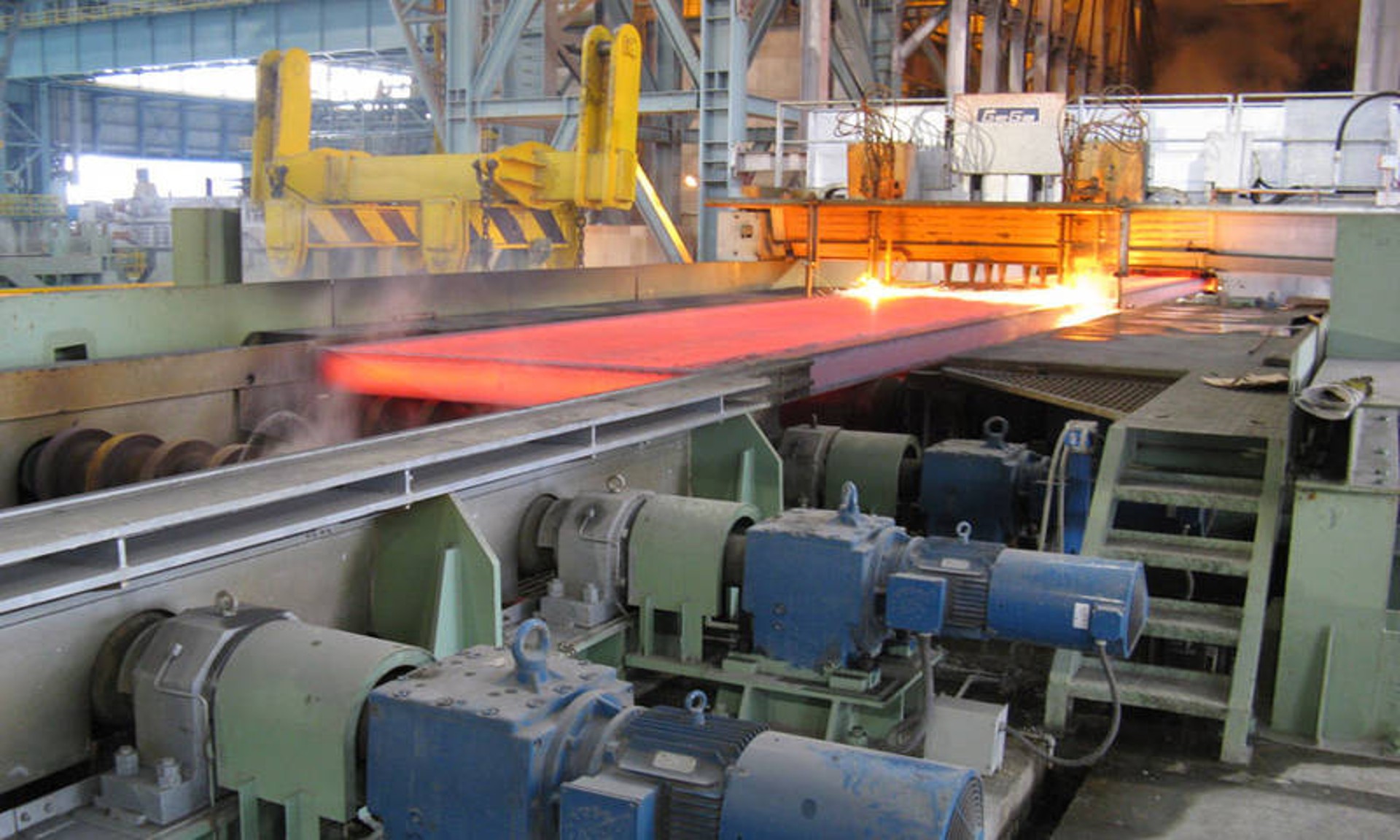
Helical Gear Reducer: The Backbone of Efficient Power Transmission

What is a Helical Gear Reducer?
A helical gear reducer is a type of gearbox that uses helical gears to reduce speed and increase torque. Unlike spur gears, helical gears have angled teeth that engage gradually, resulting in smoother and quieter operation. This design also allows for higher load capacities and efficiency, making it ideal for demanding industrial applications.
Key Advantages of Helical Gear Reducers
The helical gear reducer offers several benefits over other gear types. First, the gradual tooth engagement reduces noise and vibration, extending the life of the reducer and connected equipment. Second, the angled teeth create a larger contact area, enabling the transmission of higher torque. Third, helical gears can be manufactured with high precision, ensuring reliable performance. These advantages make helical gear reducers a staple in industries ranging from manufacturing to energy production.
Applications Across Industries
Helical gear reducers are used in a wide array of applications. In conveyor systems, they provide the necessary torque to move heavy loads. In mixers and agitators, they ensure consistent blending. The mining industry relies on them for crushers and mills, while renewable energy sectors use them in wind turbines. Their versatility and robustness make them indispensable.
Choosing the Right Helical Gear Reducer
Selecting a helical gear reducer involves considering several factors. Torque requirements, speed reduction ratio, and environmental conditions are paramount. It's also crucial to partner with a reliable supplier. Four Sea Supply Chain is a trusted name in the industry, offering high-quality helical gear reducers and expert support to ensure you get the right solution for your needs. Their global network ensures timely delivery and competitive pricing.
Maintenance and Troubleshooting
Proper maintenance extends the life of a helical gear reducer. Regular oil checks and lubrication are essential. Listen for unusual noises, which can indicate misalignment or wear. Vibration analysis can detect early signs of failure. If you notice overheating, check for insufficient lubrication or overload. Addressing issues promptly prevents costly downtime. For complex problems, consult the manufacturer or a specialist like Four Sea Supply Chain for guidance.
Common Questions
What is the difference between helical and spur gear reducers?
Helical gears have angled teeth, providing smoother, quieter operation and higher load capacity compared to spur gears with straight teeth.
Can helical gear reducers be used in both directions?
Yes, most helical gear reducers are bidirectional, but check specifications for specific models.
How often should I change the oil?
Typically every 2,500 operating hours or as recommended by the manufacturer, depending on usage and environment.