





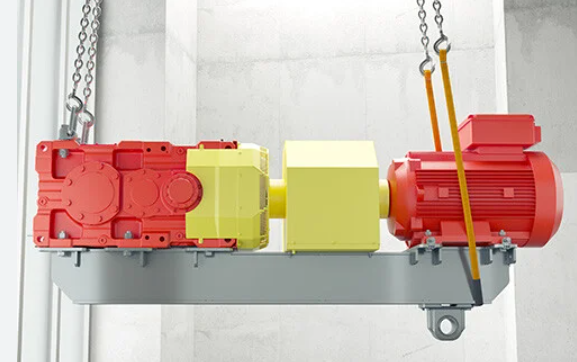

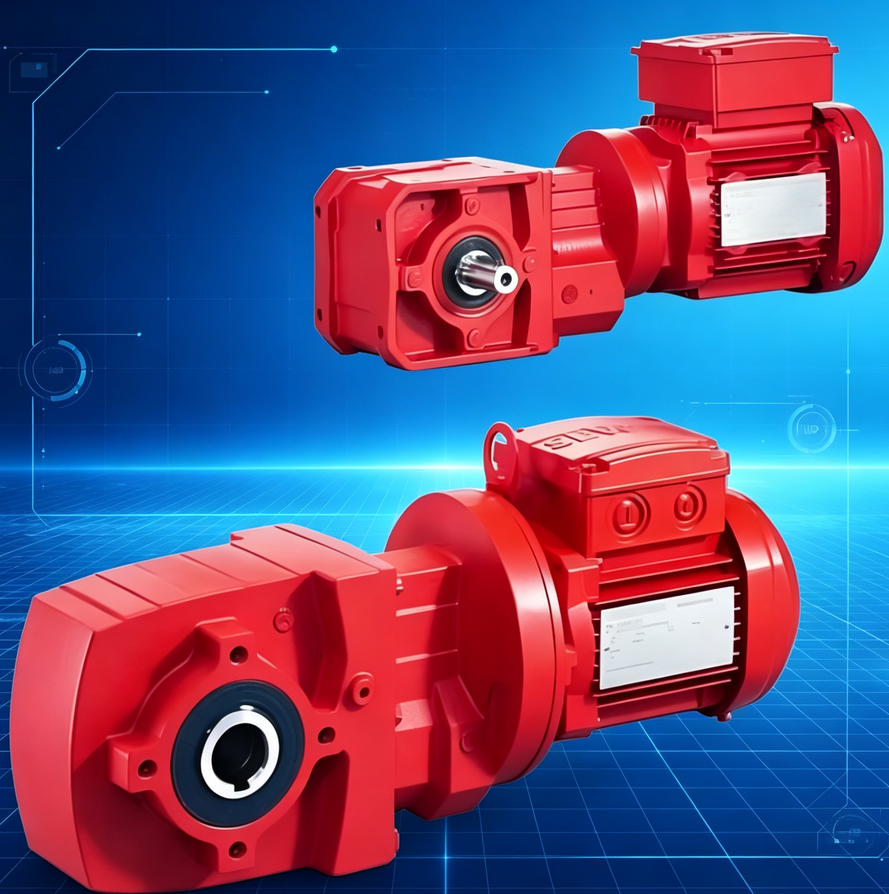
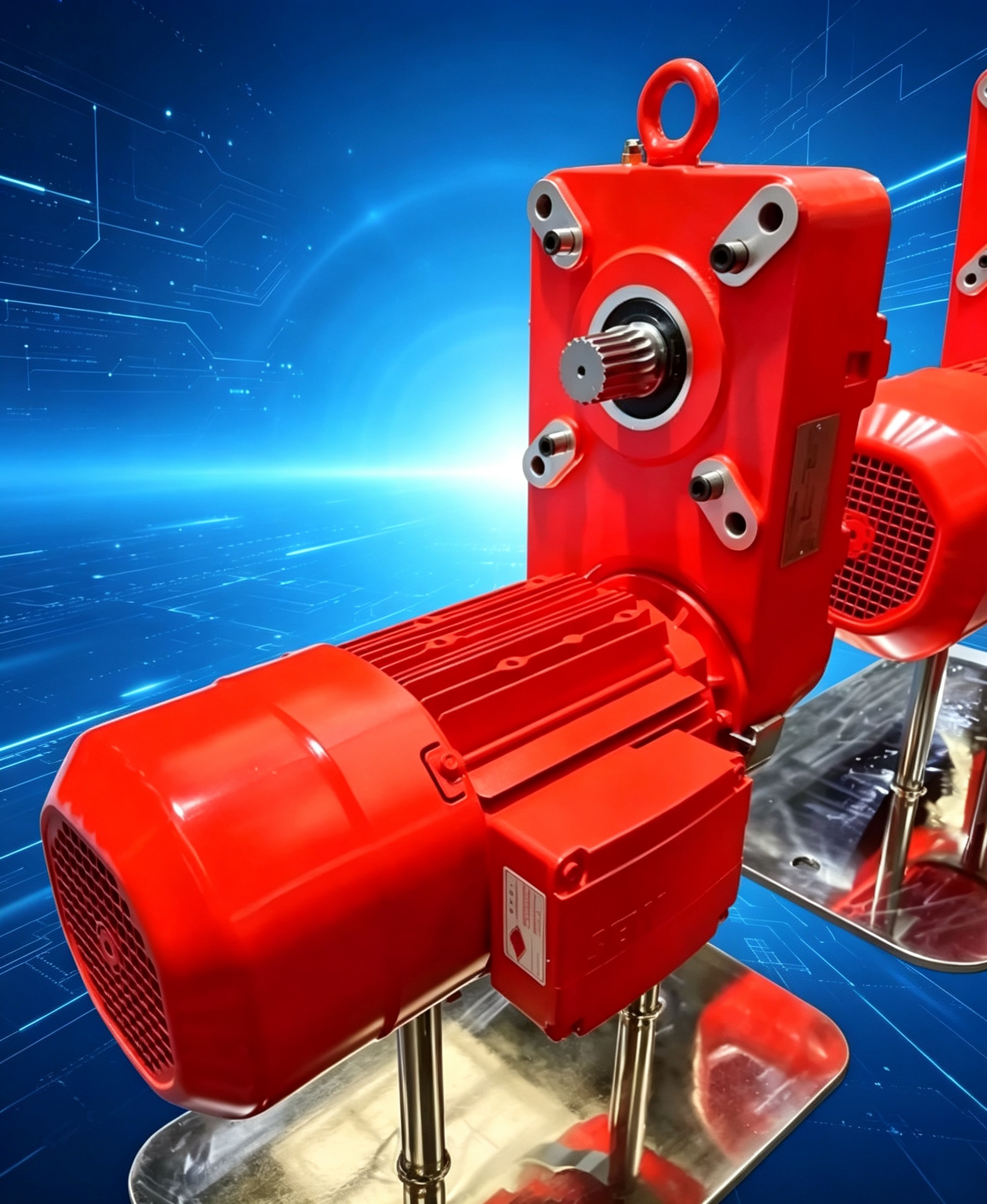
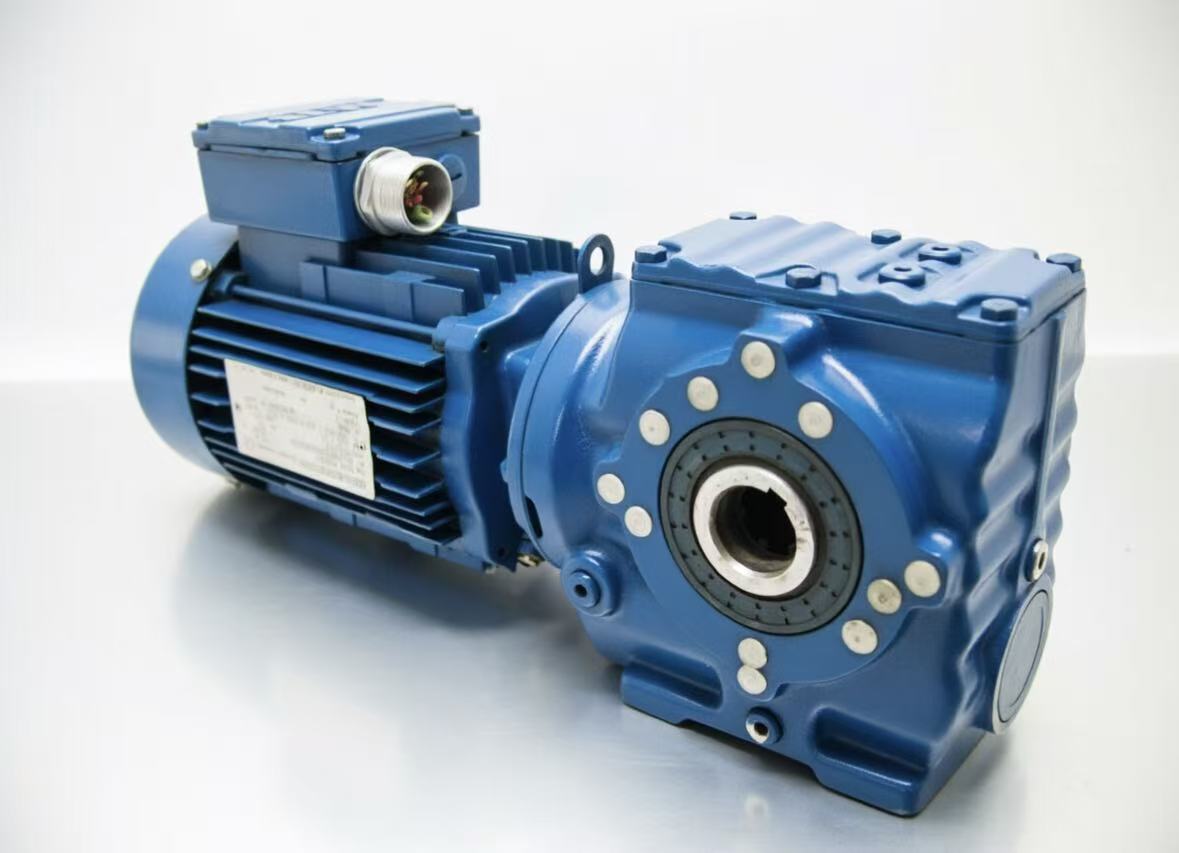
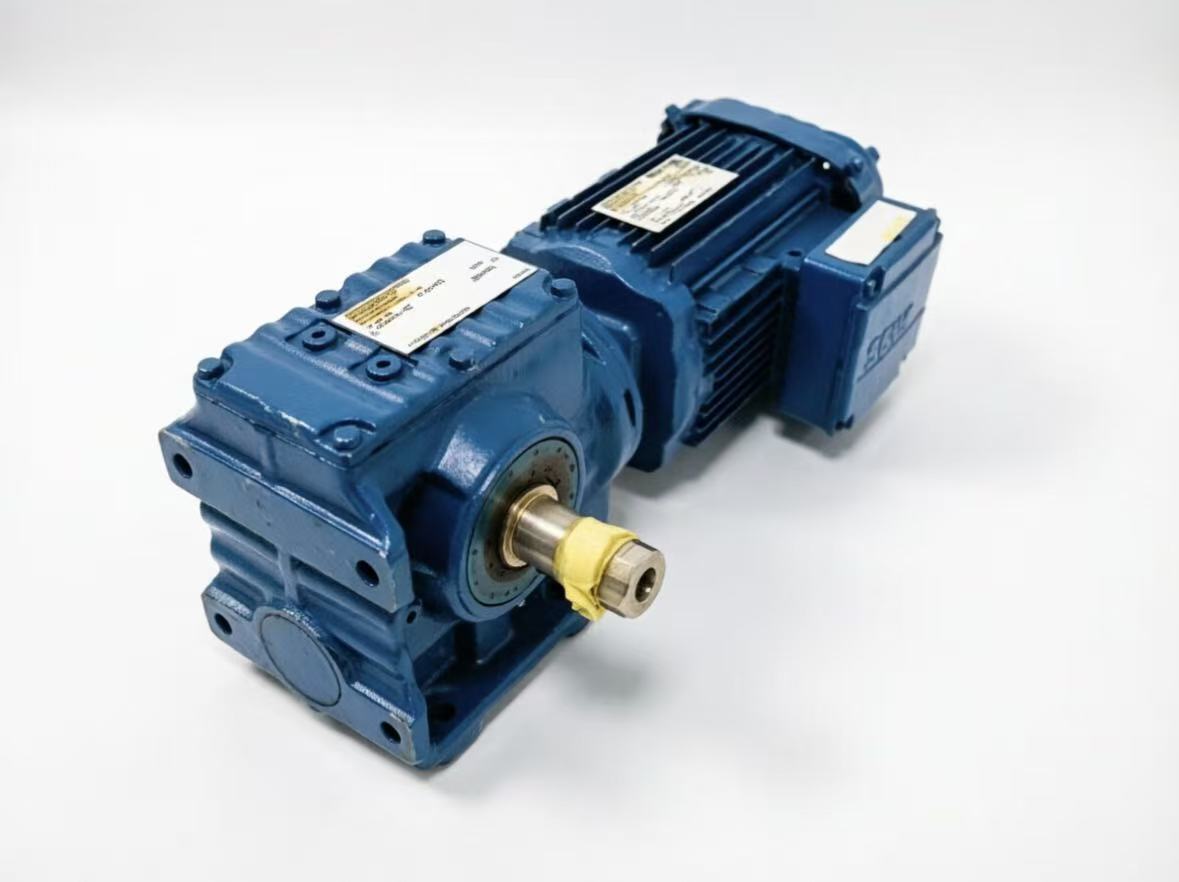
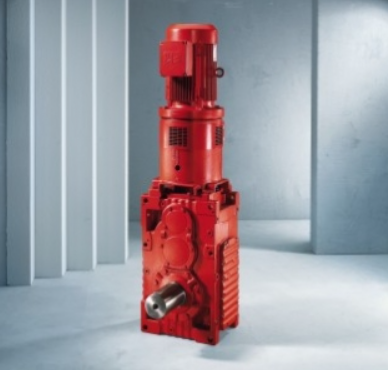
Helical gear unit eurodrive motors MC2PVHF09
${{shopModel.rebate>0?shopModel.discountPriceStr:shopModel.formattedAmount}}
$ {{shopModel.formattedAmount}}
Like
{{item.name}}
Quantity:
Estimated Delivery Date: Sep 02-Sep 02
Frequently Asked Questions
How can I contact customer service?
Do you ship overseas?
How long will it take to get my order?
Specifications
{{item.name}}
{{item.value}}
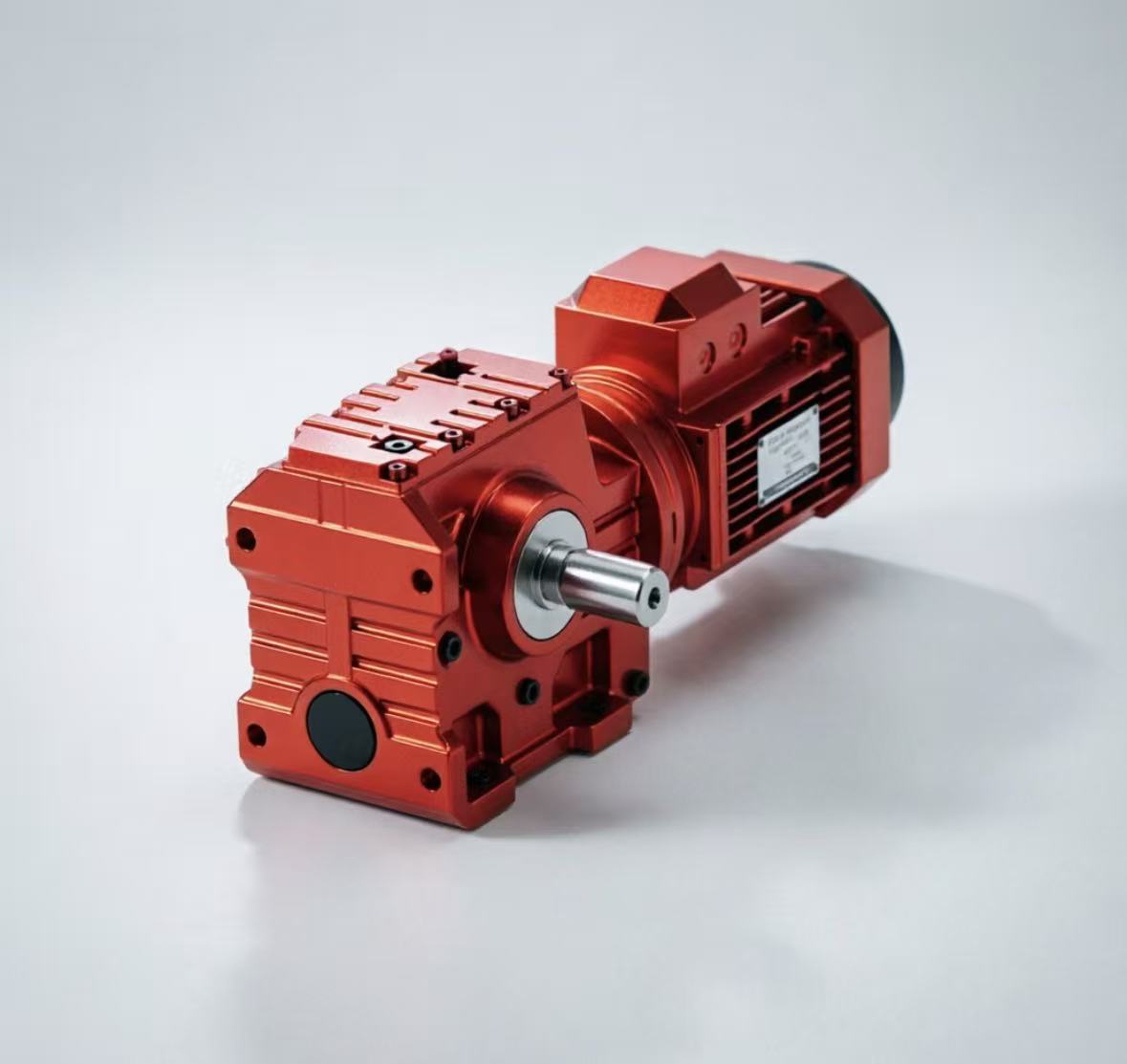
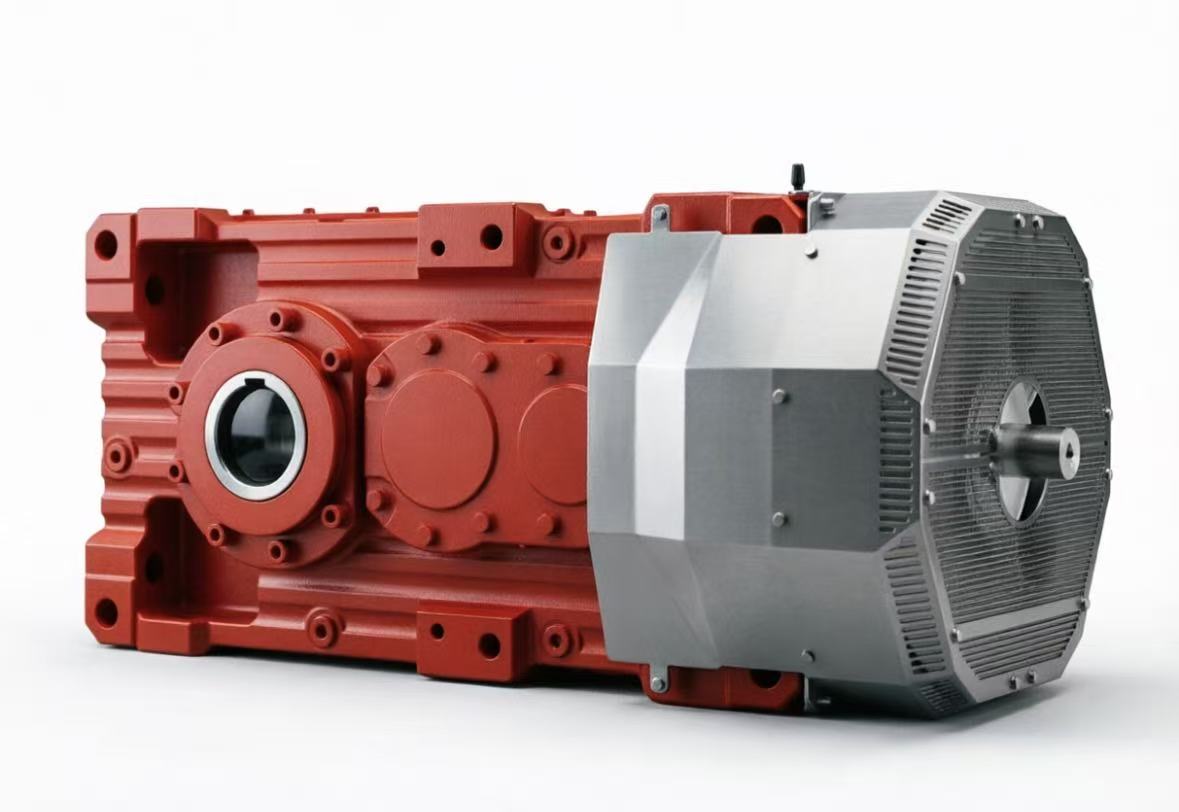
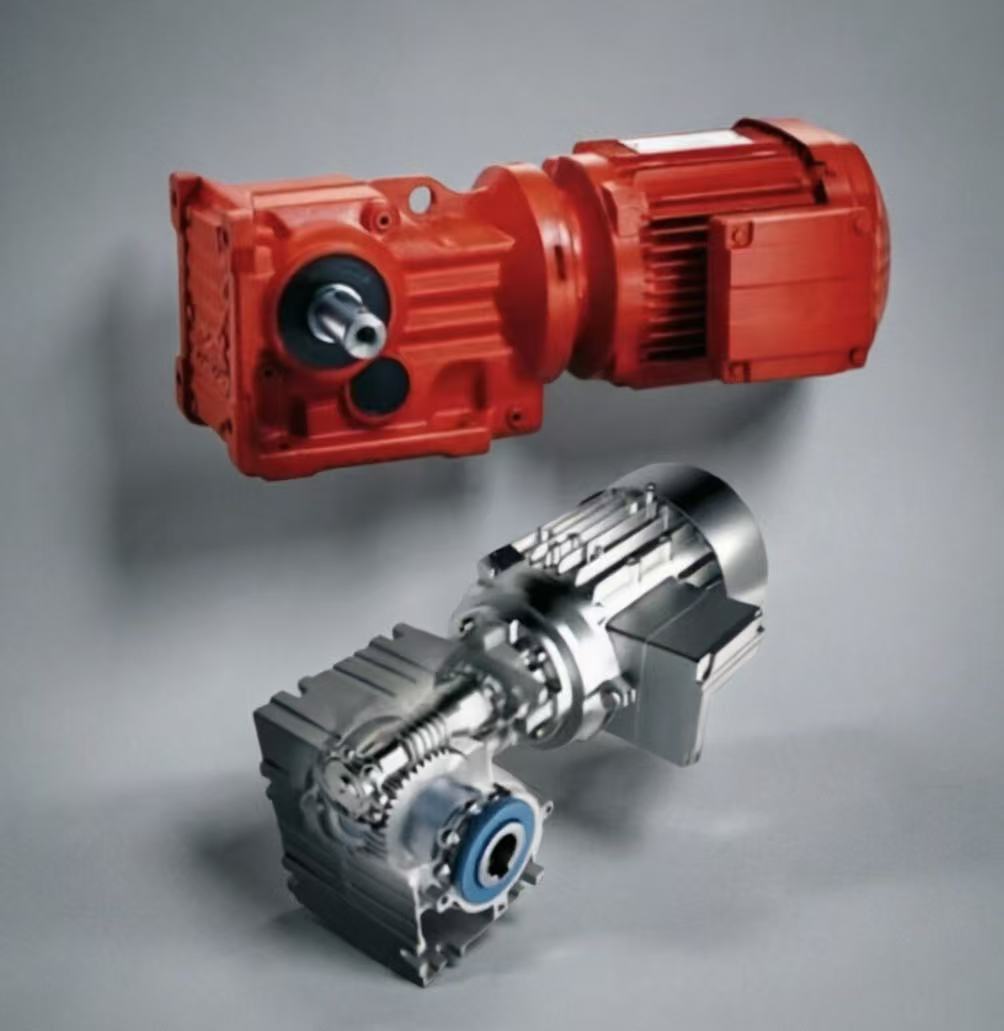
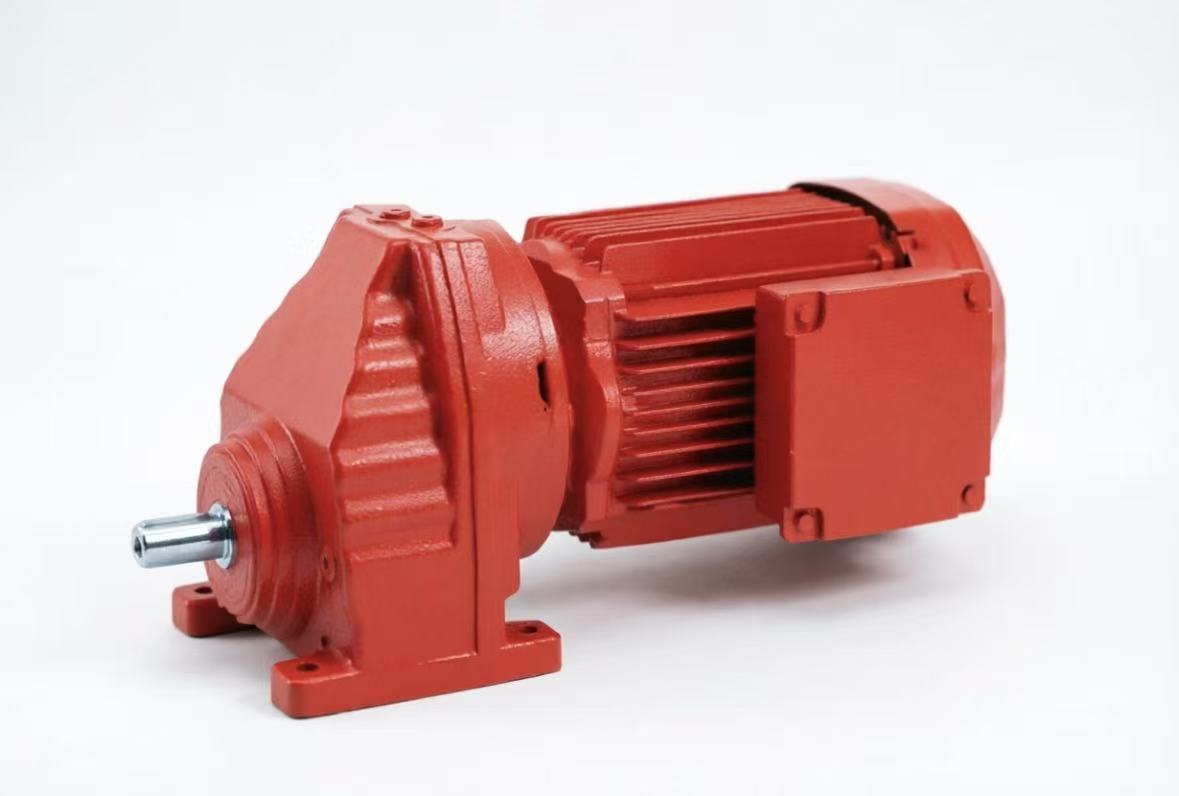
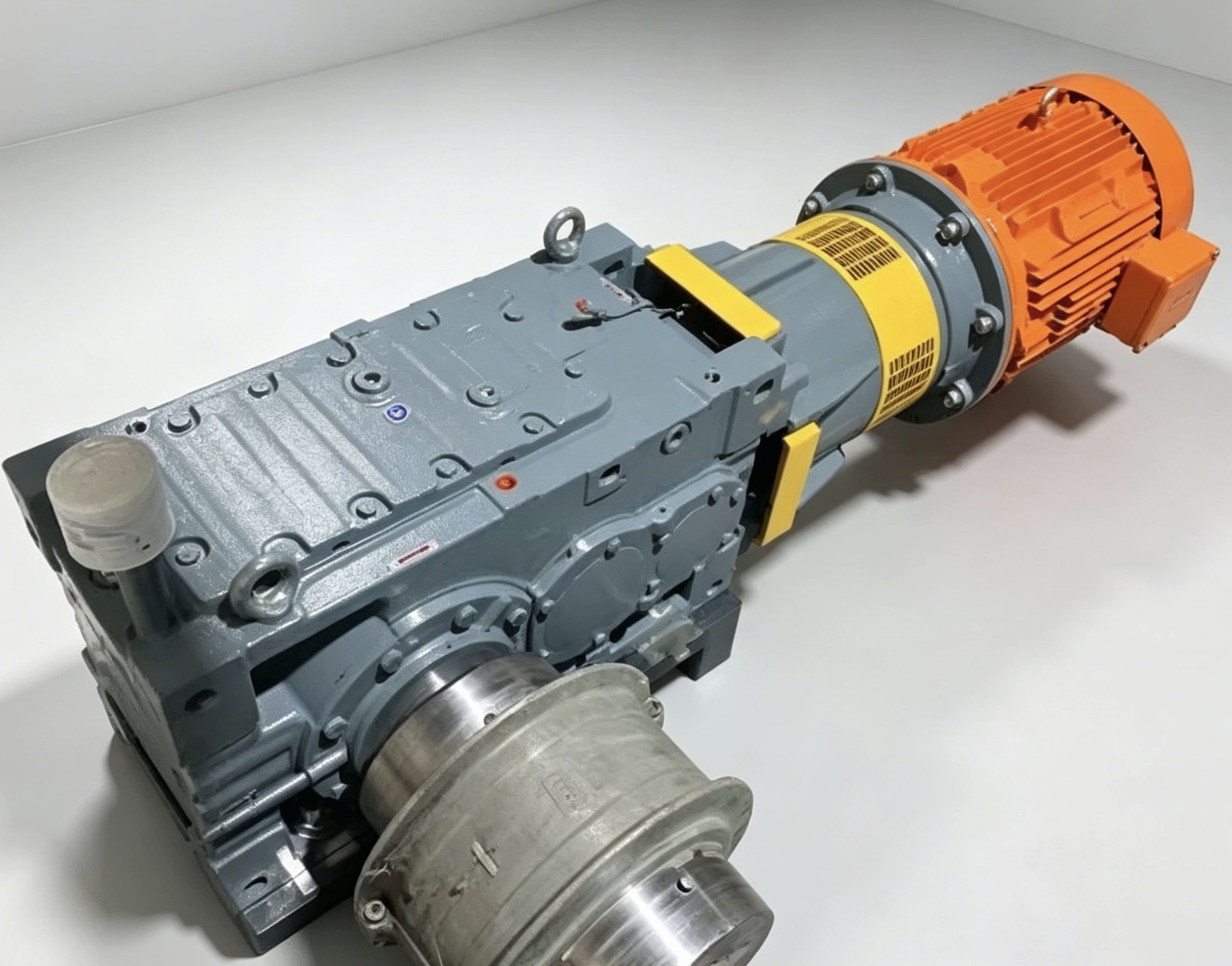
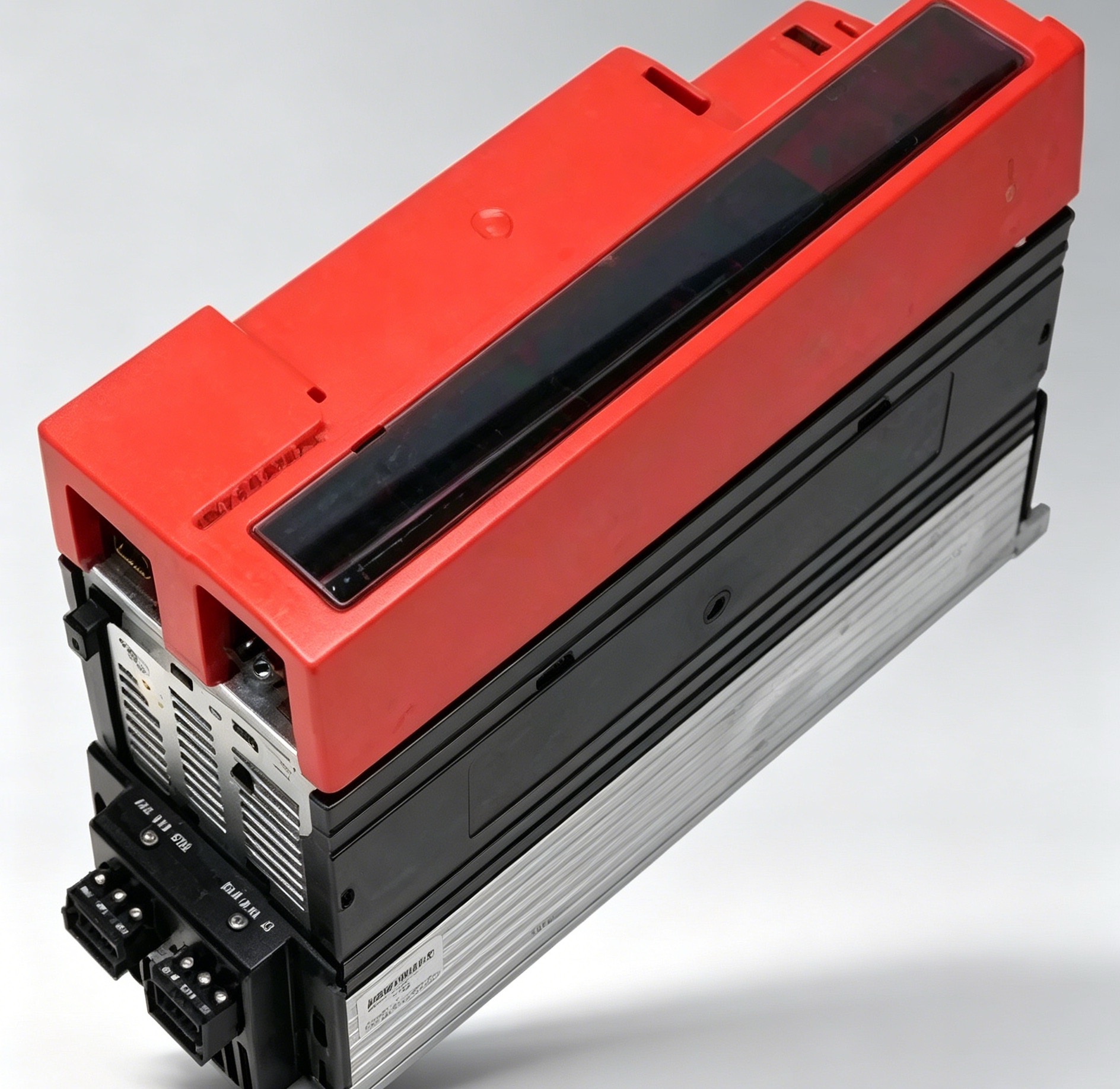
The combination of a SEW-EURODRIVE Helical Gear Unit, a high-efficiency AC motor, and the MC2PVHF09 brake rectifier represents a robust industrial solution engineered for high-cycle reliability. In SEW’s modular system, the gearbox provides the mechanical force, the motor provides the drive, and the rectifier ensures that the integrated brake operates with millisecond precision.
Below is an 800-word technical expansion on this specific drivetrain configuration.
The Engineering Synergy of SEW Helical Units and MC2PVHF09 Control
In heavy-duty industrial environments—such as automotive assembly lines, automated warehouses, and bulk material handling—the requirement for a drive system is twofold: it must move massive loads with high efficiency and stop them with absolute certainty. The integration of a helical gear unit and the MC2PVHF09 rectifier is designed specifically to meet these demands.
1. The Helical Gear Unit: Mechanical Superiority
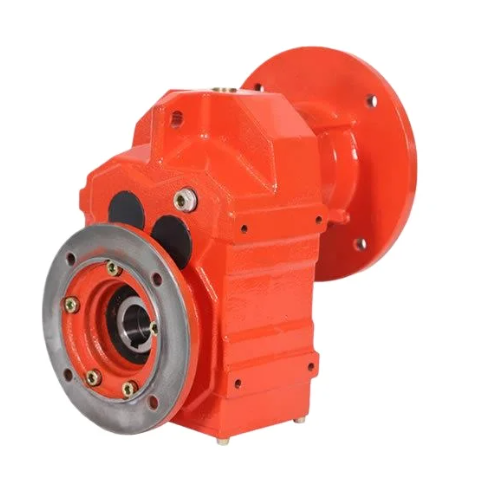
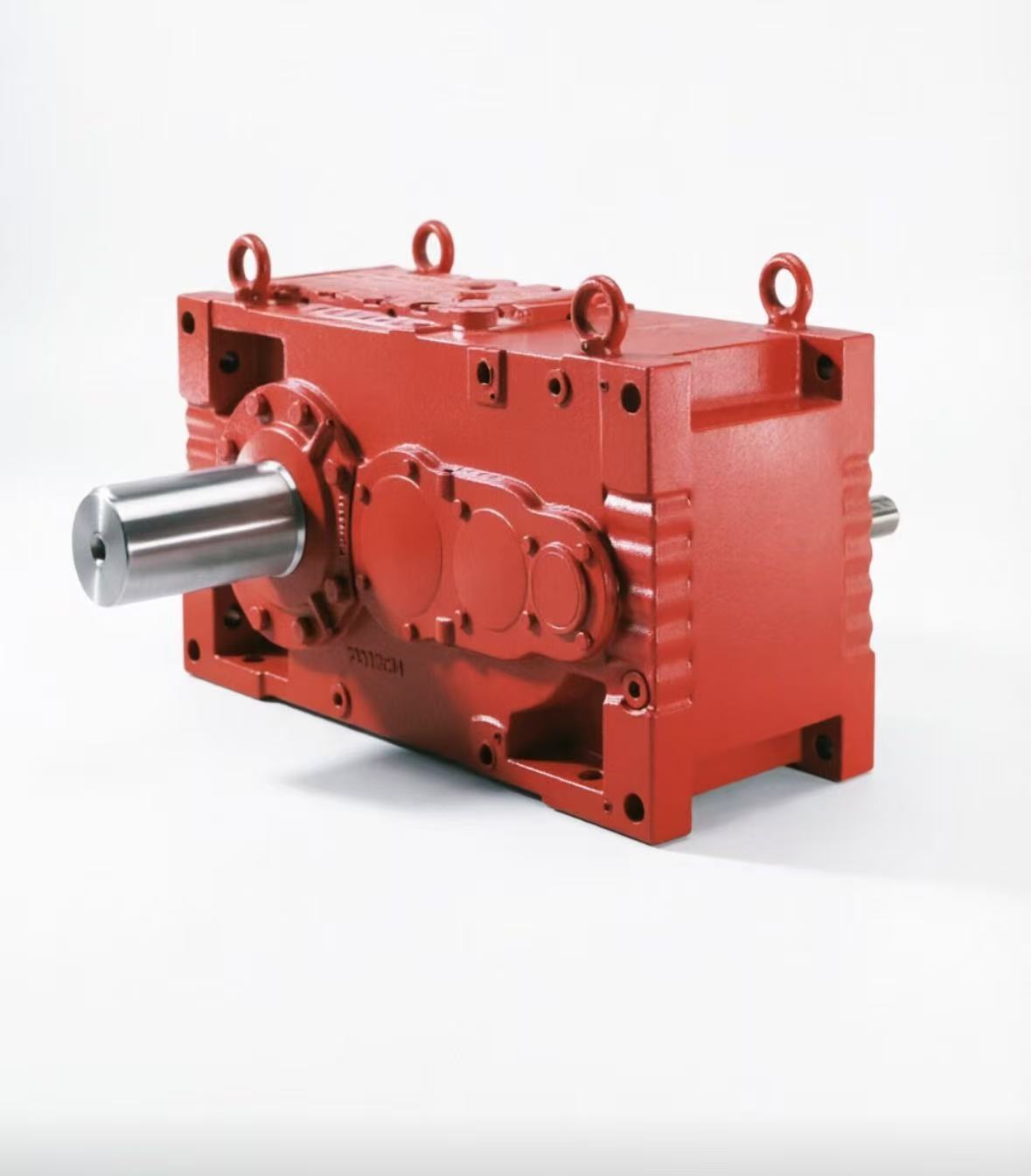
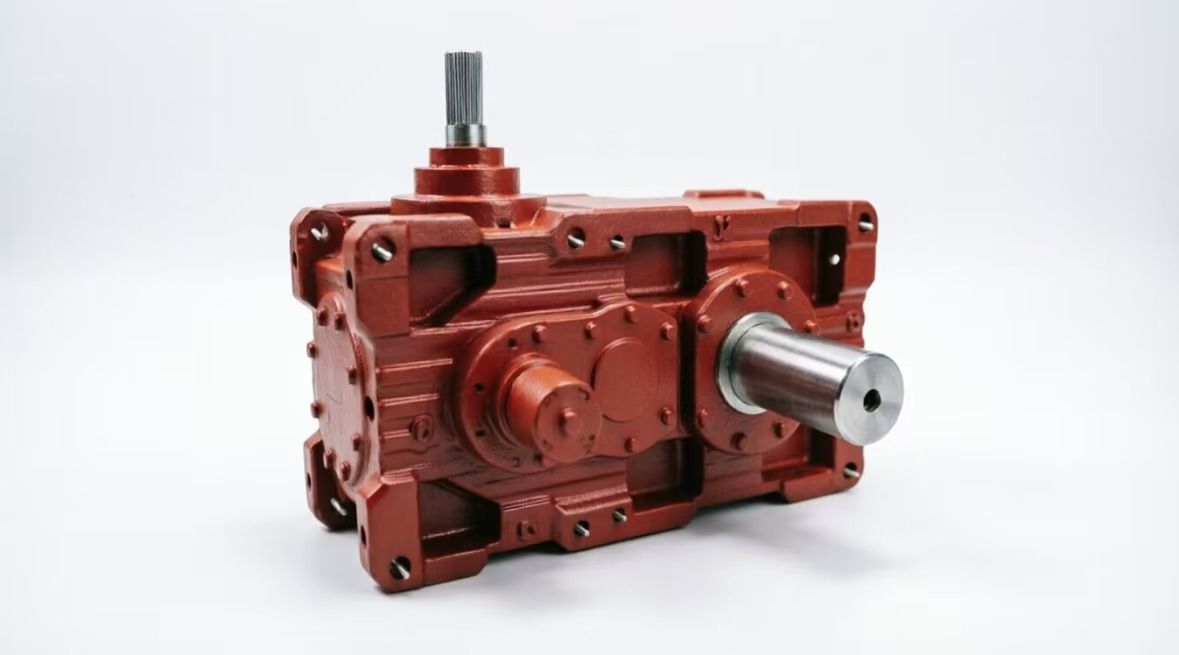
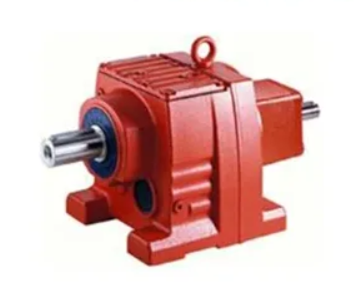
The helical gear unit (commonly the R-series foot-mounted or RF-series flange-mounted) is the mechanical heart of the system. Unlike spur gears, which engage along the entire width of the tooth simultaneously, helical gears utilize a slanted tooth design.
- Continuous Power Flow: As the gears rotate, the contact between teeth develops gradually. This leads to a higher contact ratio, meaning more teeth are engaged at any given time. This results in a much higher torque-carrying capacity compared to spur gears of the same size.
- Acoustic Optimization: The gradual engagement significantly reduces the "gear whine" and vibration associated with high-speed rotation. This is critical for indoor factory environments where noise pollution must be minimized.
- Efficiency: SEW helical units are designed for high efficiency (often 96% or higher per stage). This reduces the thermal load on the motor and ensures that the maximum amount of electrical energy is converted into mechanical work.
2. The SEW AC Motor: Efficiency and Integration
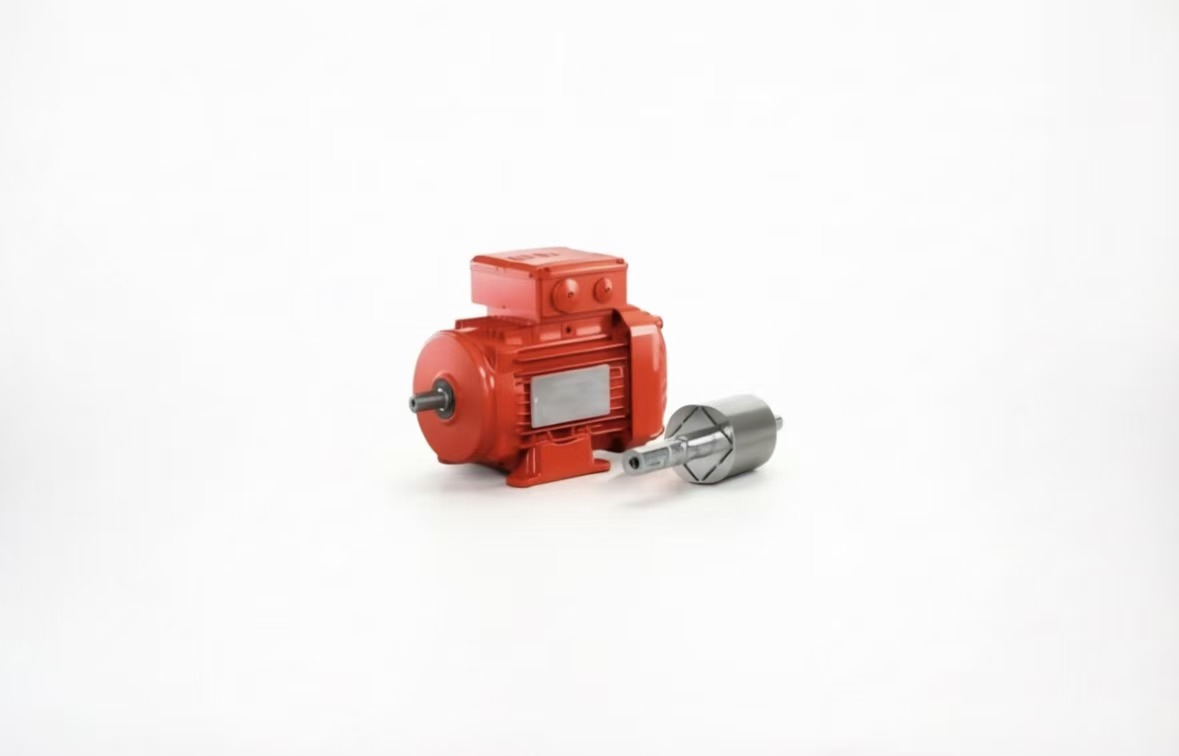
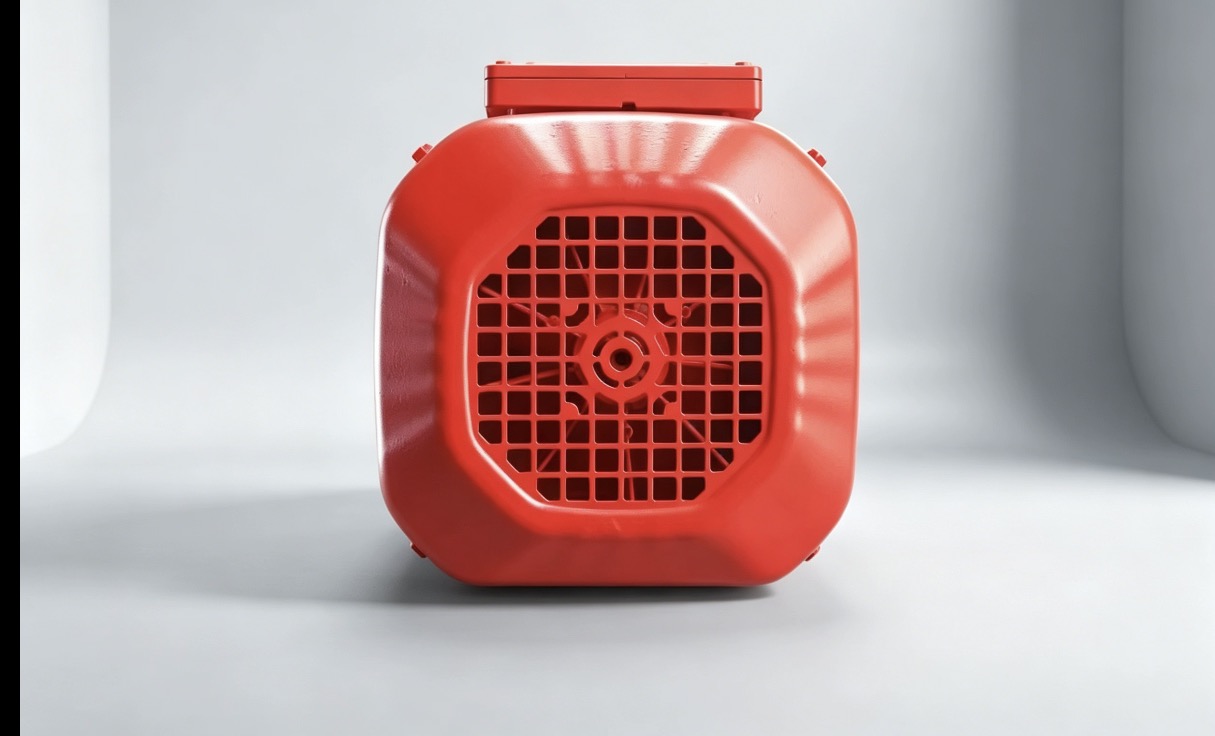
The motors paired with these units are typically from the DRN.. (IE3) or DR2.. series. These motors are designed for high dynamic performance and are often equipped with an integrated electromagnetic disc brake.
- Modular Brake System: The brake is mounted directly on the non-drive end of the motor. It is a "fail-safe" design; when no power is applied, heavy-duty springs press the brake lining against the pressure plate, locking the shaft.
- Thermal Protection: These motors usually include TF (PTC thermistor) or TH (Bimetal switch) sensors to monitor winding temperatures, ensuring the motor operates within its safe thermal limits.
3. The MC2PVHF09 Rectifier: The Electrical Gatekeeper
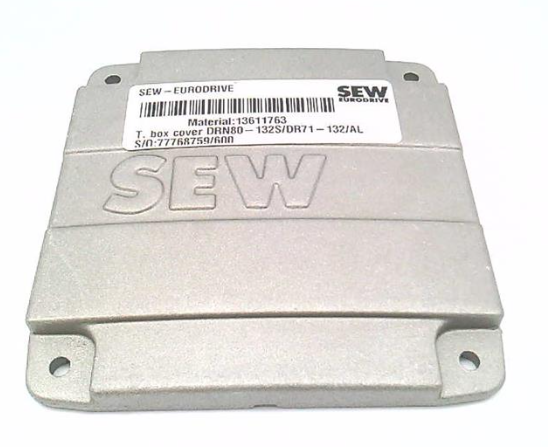
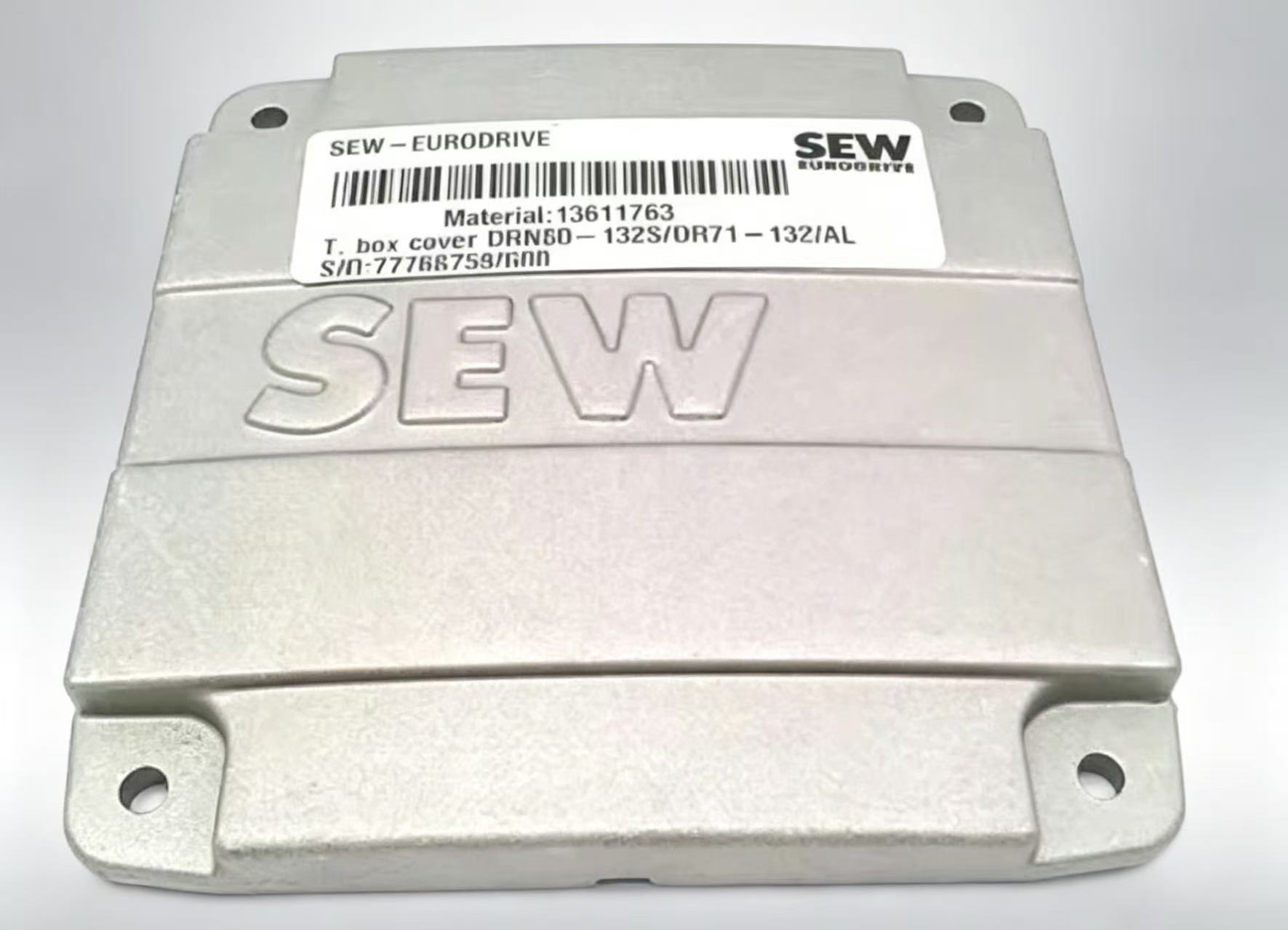
The MC2PVHF09 is a specialized electronic component located within the motor terminal box. While many people view a rectifier as a simple converter of AC to DC, the MC2 series is a sophisticated control module.
Technical Breakdown of the MC2PVHF09:
- High-Frequency/Fast-Acting (HF): The "HF" designation is the most critical part of this model. It indicates that the rectifier is designed for fast-acting braking. In standard rectifiers, there is a delay when the power is cut because the magnetic field in the brake coil takes time to collapse. The MC2PVHF09 utilizes an electronic switch for DC-side switching, which collapses the field almost instantly.
- PV (Performance Voltage): This indicates the rectifier is optimized for specific voltage ranges and high switching frequencies, making it ideal for applications involving hundreds of starts and stops per hour.
- Overvoltage Suppression: The unit features integrated varistors. When the brake coil is switched off, it generates a massive inductive "kick" (back-EMF). Without the protection offered by the MC2PVHF09, this spike could damage the motor windings or the rectifier’s own diodes.
4. Application Synergy: Real-World Performance
When these components work together, they solve the problem of "stopping accuracy."
Imagine a vertical lift carrying a 2-ton pallet.
- Start-up: The motor receives power, and the MC2PVHF09 immediately energizes the brake coil. The fast-acting electronics ensure the brake releases before the motor begins to strain against it, preventing wear on the gear teeth.
- Travel: The Helical Gear Unit provides smooth, quiet torque to lift the load.
- Stopping: When the PLC reaches the target floor, it cuts the power. The MC2PVHF09 instantly breaks the DC circuit. The brake engages so quickly that there is virtually zero "sag" or drift in the load’s position.
5. Maintenance and Troubleshooting
To ensure the 800-word standard of operational excellence, regular maintenance is required:
- Brake Air Gap: Even with the MC2PVHF09's precision, the brake disc is a wear item. Over time, the gap between the armature and the coil increases. If the gap becomes too large, the rectifier may not be able to generate enough force to pull the brake back, leading to "brake drag" and motor overheating.
- Oil Maintenance: The helical gear box requires specific lubricants (like SEW GearOil). Because helical gears create a sliding contact, the oil must have high pressure (EP) additives to prevent "pitting" on the gear faces.
- Rectifier Integrity: In high-vibration environments, terminal screws on the MC2PVHF09 can loosen. A loose wire can cause intermittent braking, which creates massive shock loads on the helical gears.
Conclusion
The SEW-EURODRIVE Helical Gear Unit with an MC2PVHF09 Rectifier is a masterclass in electromechanical design. It balances the "brute force" of helical gear reduction with the "surgical precision" of fast-acting electronic braking. For facilities that cannot afford downtime or positioning errors, this configuration remains the gold standard in drive technology. Whether you are running a conveyor in a logistics center or a heavy-duty mixer in a chemical plant, this setup provides the reliability and safety required for 24/7 operation.
CUSTOMER REVIEWS
{{commentStat.averageRating}}
{{commentStat.total}} Revirews
All({{commentStat.total}})
Images({{commentStat.imgSum}})
5 Star({{commentStat.praiseSum}})



{{item.comments}}