





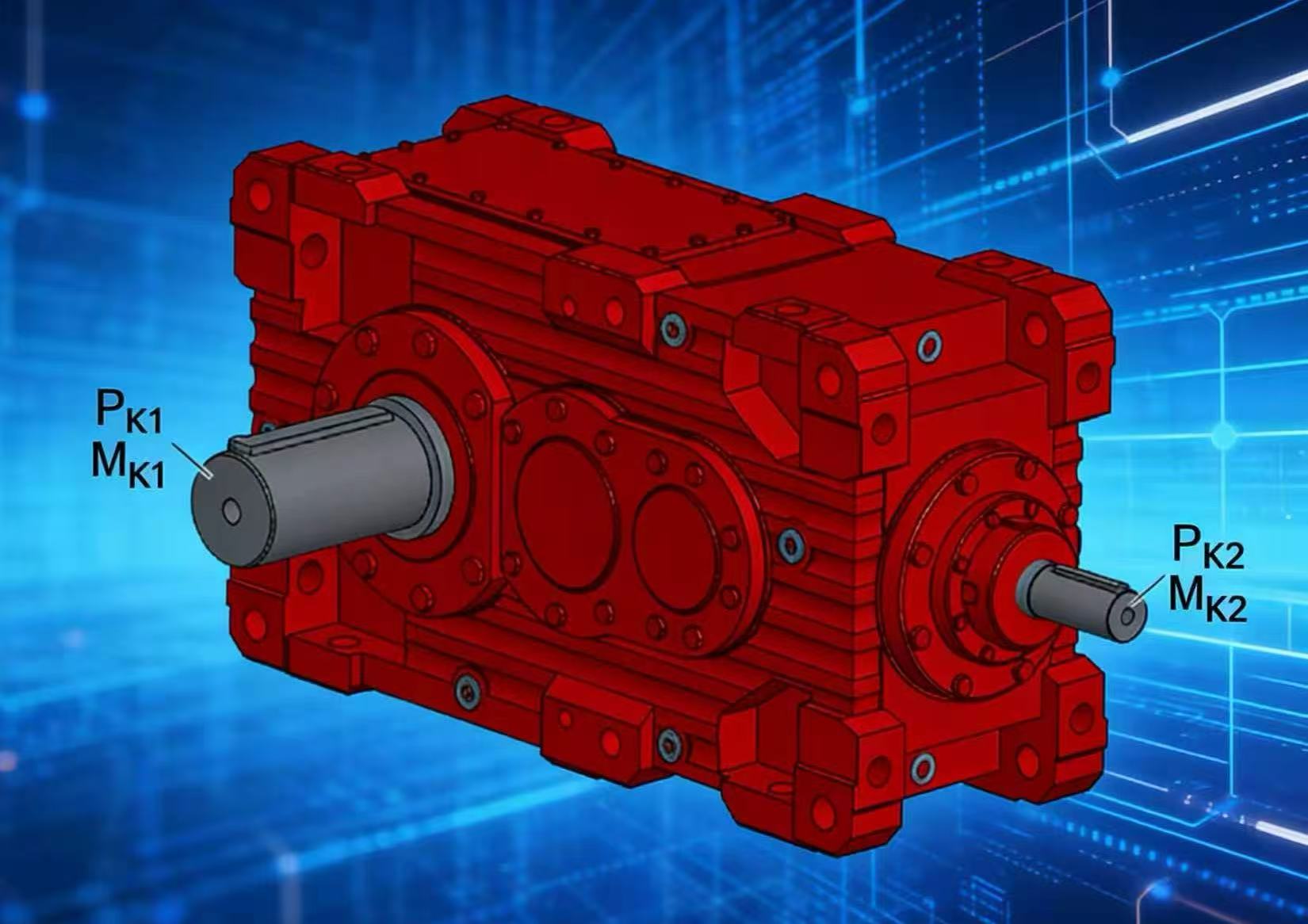

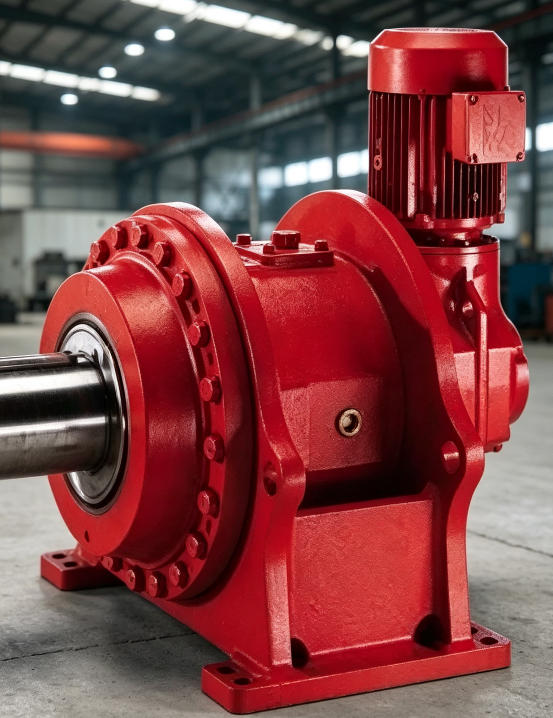
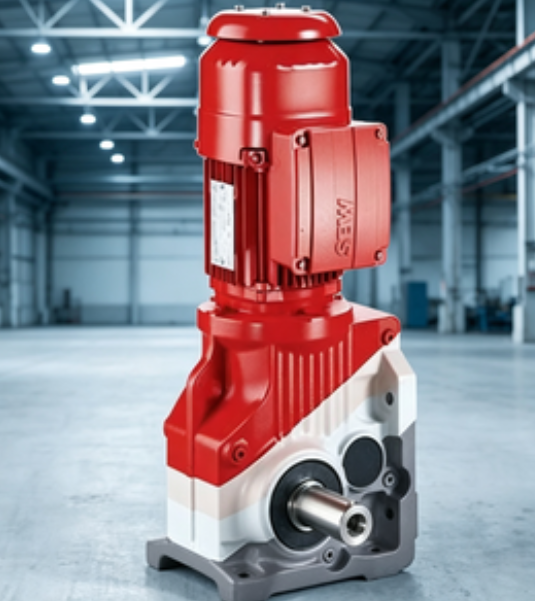
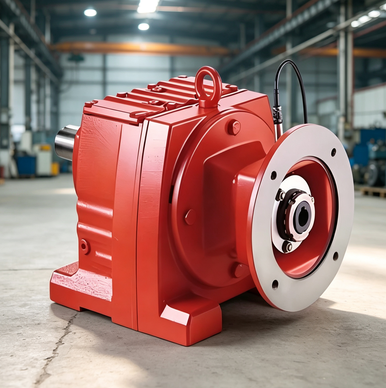
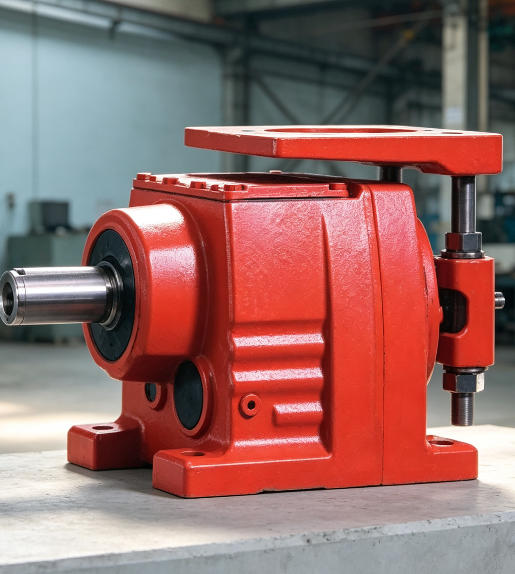
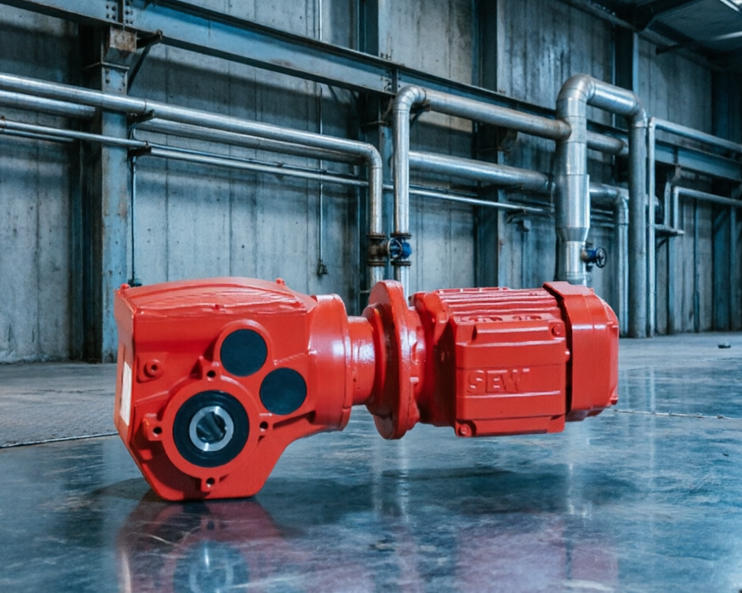
bevel-helical speed reducer sew eurodrive fa67 MC2RVHT04
${{shopModel.rebate>0?shopModel.discountPriceStr:shopModel.formattedAmount}}
$ {{shopModel.formattedAmount}}
Like
{{item.name}}
Quantity:
Estimated Delivery Date: Oct 19-Oct 19
Frequently Asked Questions
How can I contact customer service?
Do you ship overseas?
How long will it take to get my order?
Specifications
{{item.name}}
{{item.value}}
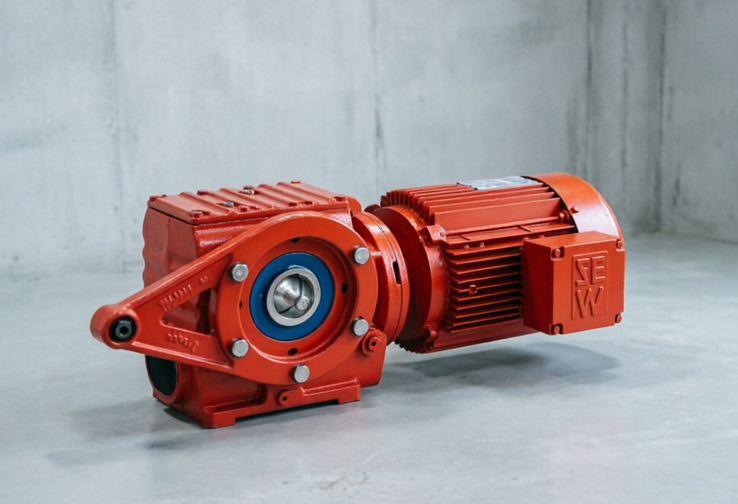
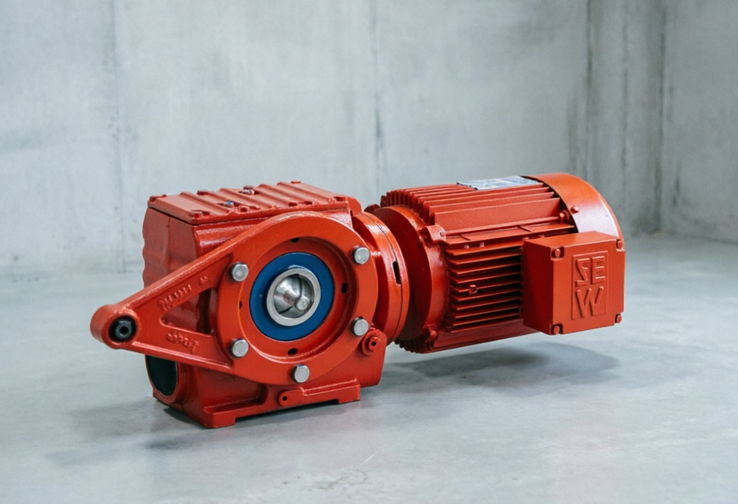
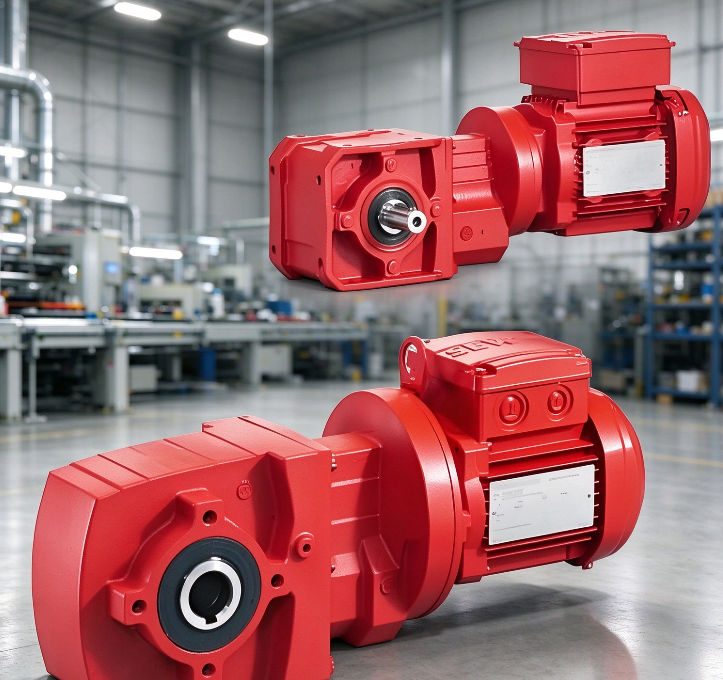
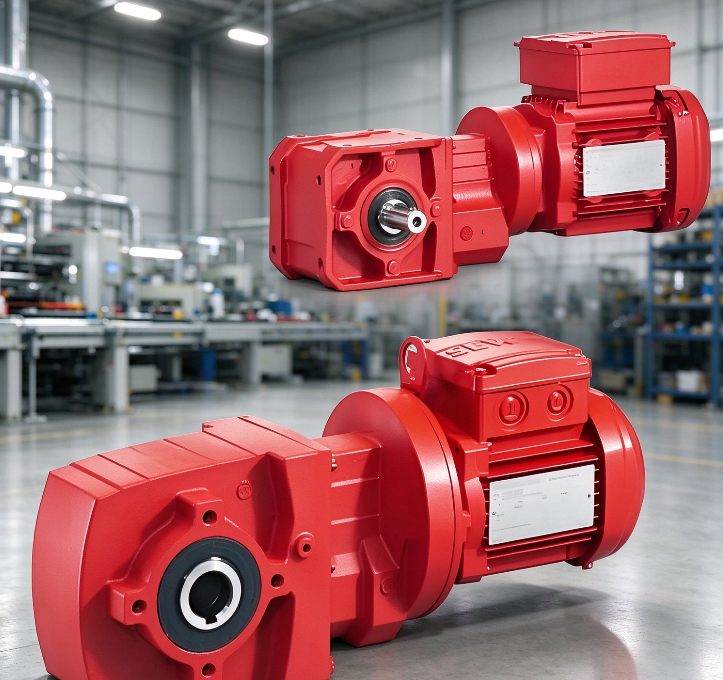
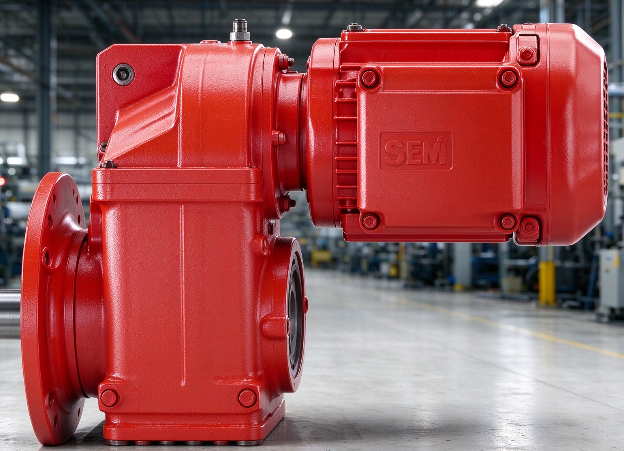
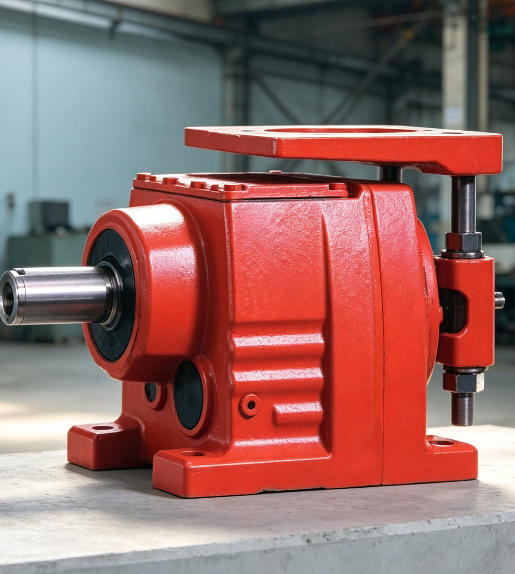
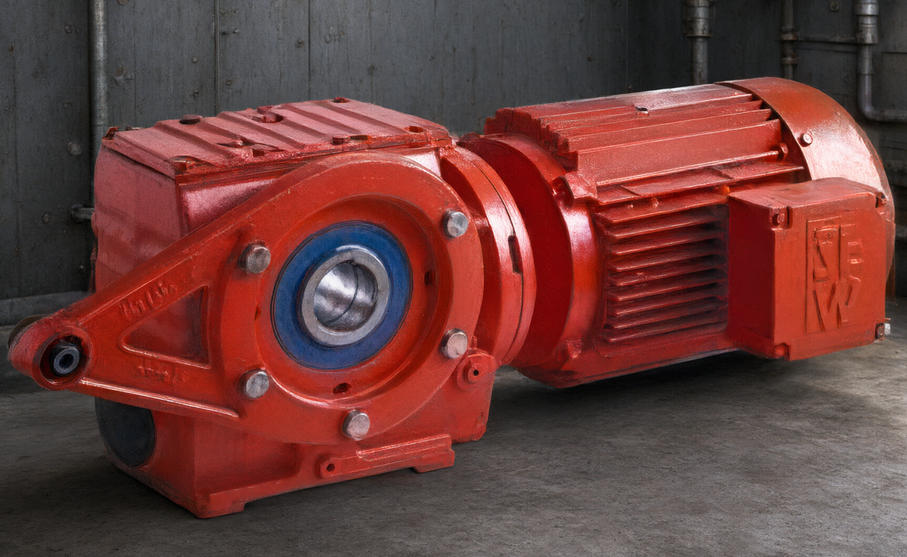
The SEW-EURODRIVE FA67 and MC2RVHT04 represent two distinct but often complementary tiers of drive technology. While the FA67 is a high-torque "standard" gearmotor, the MC2RVHT04 is a "Modular Compact" industrial gear unit. Understanding the intersection of these two models is essential for engineering applications that require a balance between precision, high torque, and space-saving right-angle power transmission.
Below is a detailed 800-word technical expansion on these units, their mechanical architecture, and their industrial utility.
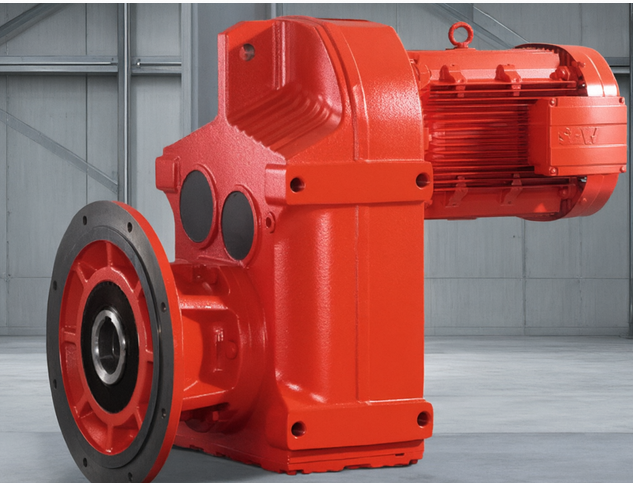
1. The FA67: The Parallel-Shaft Workhorse
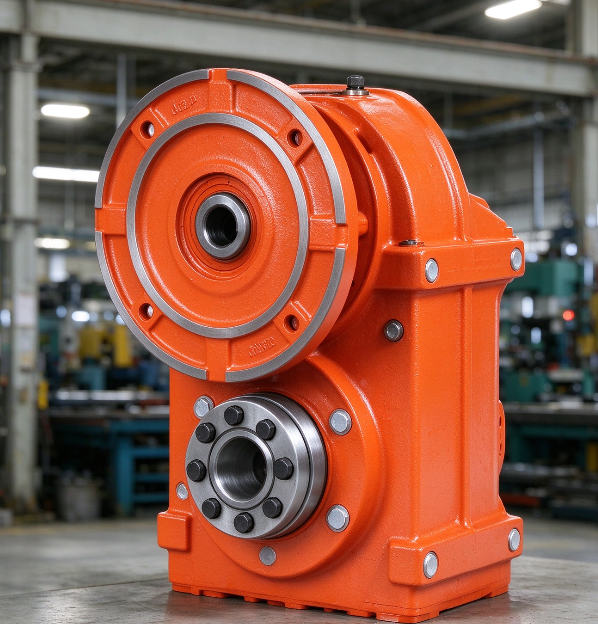
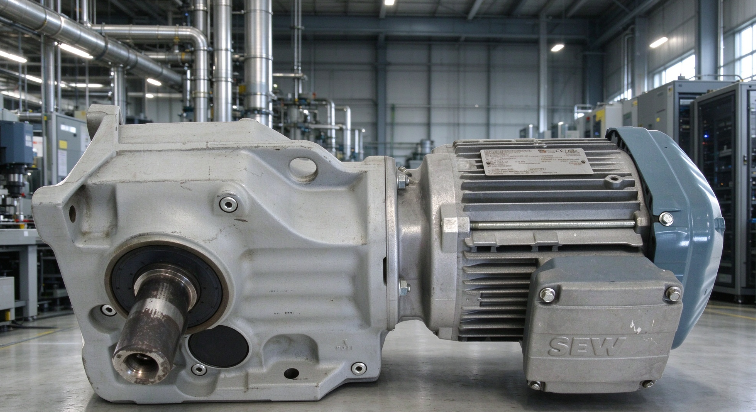
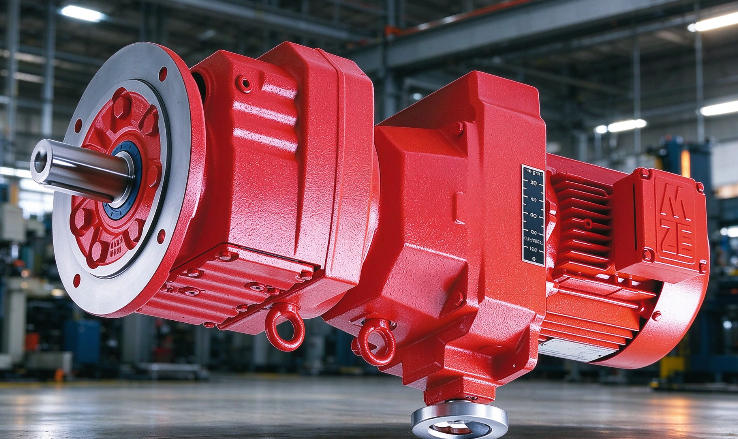
The FA67 belongs to SEW’s F-series of parallel-shaft helical gear units. The "A" in the designation typically signifies a hollow shaft design, which is a staple in modern conveyor and material handling systems.
- Mechanical Efficiency: Helical gears are known for their high efficiency (often above $95\%$) because they use rolling contact rather than the sliding contact found in worm gears. The FA67 is designed for slim installation; because the input and output shafts are parallel, the unit "hugs" the machine frame, making it ideal for narrow walkways.
- Torque Capacity: As a size 67 unit, it occupies a mid-range position, capable of delivering output torques up to approximately 600 Nm. It is the go-to choice for driving secondary conveyors, small agitators, or packaging line machinery.
2. The MC2RVHT04: Industrial-Grade Power
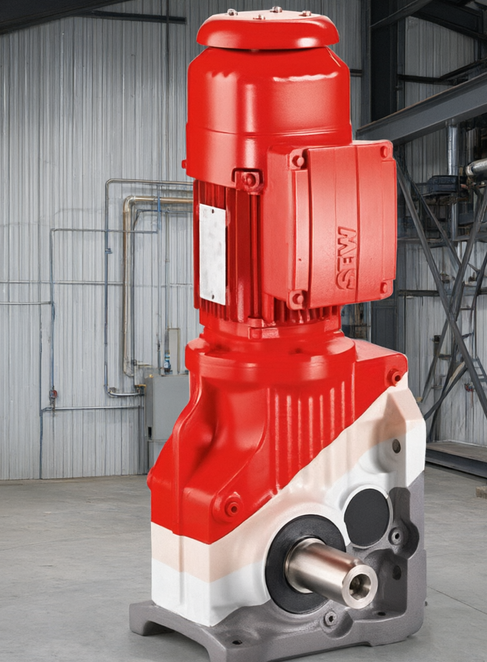
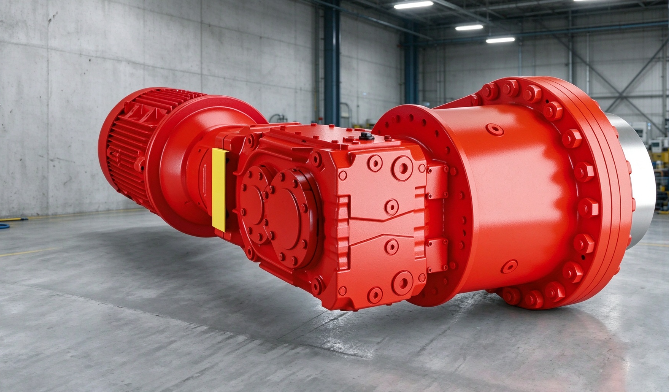
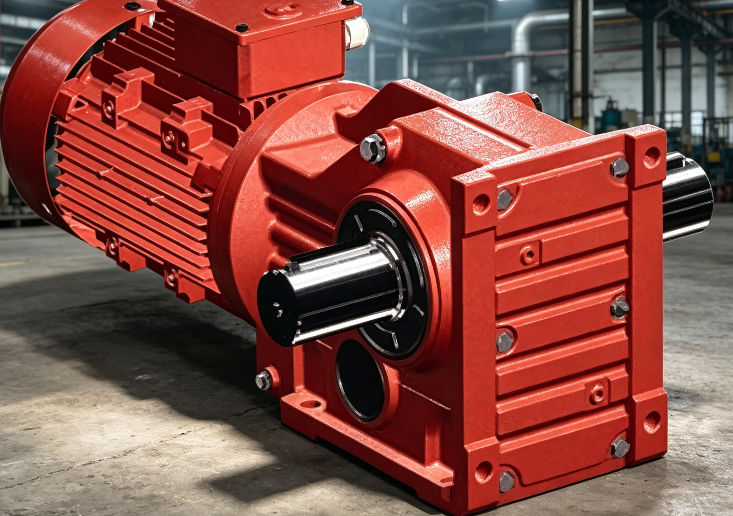
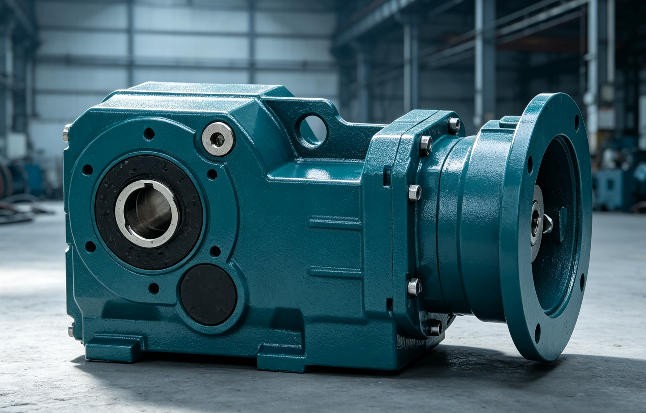
When a standard FA67 reaches its torque or thermal limits, engineers move to the MC (Modular Compact) series. The MC2RVHT04 is a 2-stage, bevel-helical industrial gear unit designed for significantly harsher environments and higher loads.
Decoding the MC2RVHT04:
- MC (Modular Compact): This series is built with a monoblock (unibody) housing. Unlike standard gearboxes that might be bolted together in sections, the monoblock design provides extreme structural rigidity, which prevents "housing flex" under massive loads.
- 2-Stage Bevel-Helical: The "R" denotes the bevel-helical geometry. This unit changes the direction of power by $90^\circ$. The first stage is a spiral bevel gear (providing the right-angle turn), and the second is a helical stage (providing the torque multiplication).
- HT (Hollow Shaft & Shrink Disc): This is a premium interface. The H (Hollow Shaft) allows the unit to slide directly onto the driven machine's shaft. The T (Shrink Disc) is an external clamping mechanism that creates a high-pressure, backlash-free interference fit. This is far superior to a "keyed" shaft in high-vibration or reversing-load applications.
- Size 04: In the MC hierarchy, size 04 is a powerhouse, typically handling torques from 6,000 Nm up to 12,000 Nm.
3. Key Differences: When to Use Which?
In many large-scale plants, you will see the FA67 and the MC2RVHT04 working in the same facility but in different roles:
| Feature | FA67 (Helical) | MC2RVHT04 (Bevel-Helical) |
| Orientation | Parallel Shaft (In-line) | Right-Angle ($90^\circ$) |
| Torque Range | Low to Medium (~600 Nm) | High Industrial (Up to 12 kNm) |
| Housing | Standard Split/Unibody | Industrial Monoblock |
| Typical Application | Packaging, Light Conveyors | Mining, Heavy Mixers, Cranes |
The primary reason to choose the MC2RVHT04 over an F-series unit is torque density and bearing life. If your application involves a massive "shock load" (like a rock crusher starting up) or a permanent radial load (like a heavy mixing paddle), the industrial-grade bearings in the MC series are required to prevent premature failure.
4. The Advantage of the "HT" Shrink Disc Connection
In heavy industry, "fretting corrosion" is a common enemy. This happens when a keyed shaft vibrates slightly over years of use, effectively "welding" the gearbox to the machine shaft.
The HT (Shrink Disc) configuration on the MC2RVHT04 solves this. Because there is no keyway, the load is distributed $360^\circ$ around the shaft. When it is time for maintenance, you simply loosen the shrink disc bolts, and the gear unit slides off easily. This can save hours—or even days—of downtime in a 24/7 production environment like a paper mill or a mining site.
5. Typical Industrial Applications
- Heavy Material Handling: The MC2RVHT04 is frequently used on the head-drive of long-distance belt conveyors. Its right-angle design allows the motor to be mounted parallel to the conveyor, keeping the drive package out of the way of maintenance vehicles.
- Chemical Agitators: In large-scale mixing tanks, the FA67 might drive a small additive pump, while the MC2RVHT04 drives the main agitator shaft. The MC unit’s ability to handle high axial forces (the "push" and "pull" of the liquid) makes it the only viable choice for the main paddle.
- Automotive Skillets: In car assembly plants, FA67 units are often used for high-speed travel on the assembly line, while the larger MC units are used for the heavy lifting sections where entire vehicle chassis are moved vertically.
Conclusion
Whether you are utilizing the slim, efficient FA67 for standard automation or the rugged, high-torque MC2RVHT04 for heavy industrial processing, SEW-EURODRIVE’s modular system ensures maximum reliability. The combination of bevel-helical efficiency and the mechanical security of the shrink disc (HT) makes the MC series a "fit-and-forget" solution for the world’s most demanding mechanical challenges. By selecting the right-angle MC2RVHT04, engineers secure a compact, high-performance drive that will maintain its precision through decades of service.
CUSTOMER REVIEWS
{{commentStat.averageRating}}
{{commentStat.total}} Revirews
All({{commentStat.total}})
Images({{commentStat.imgSum}})
5 Star({{commentStat.praiseSum}})



{{item.comments}}