





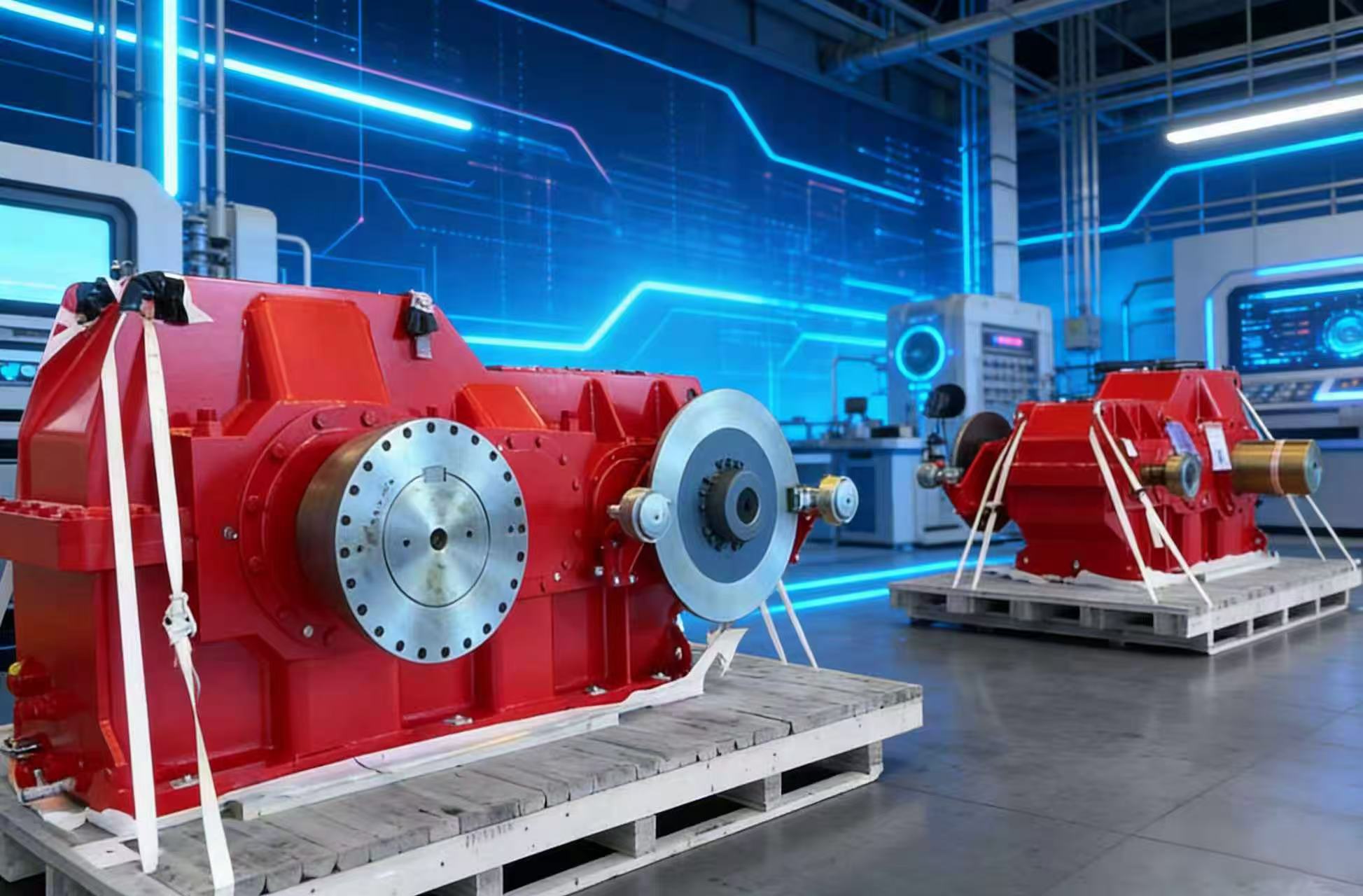

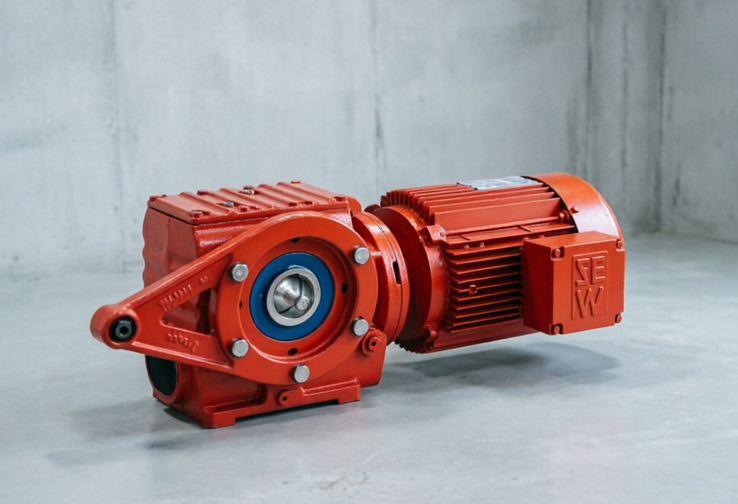
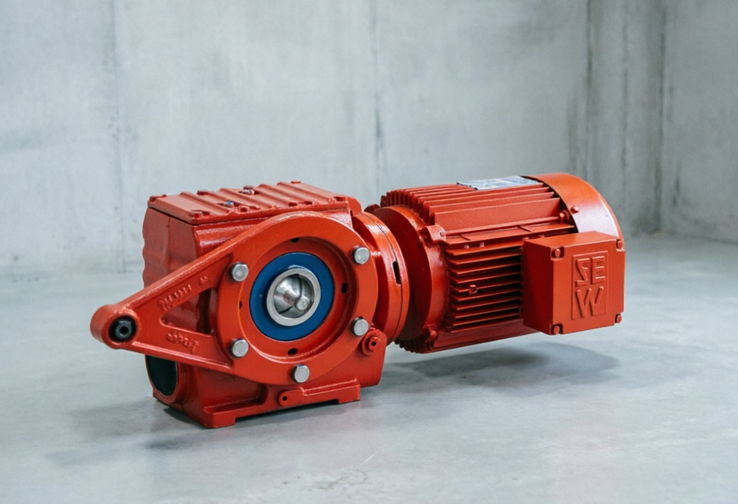
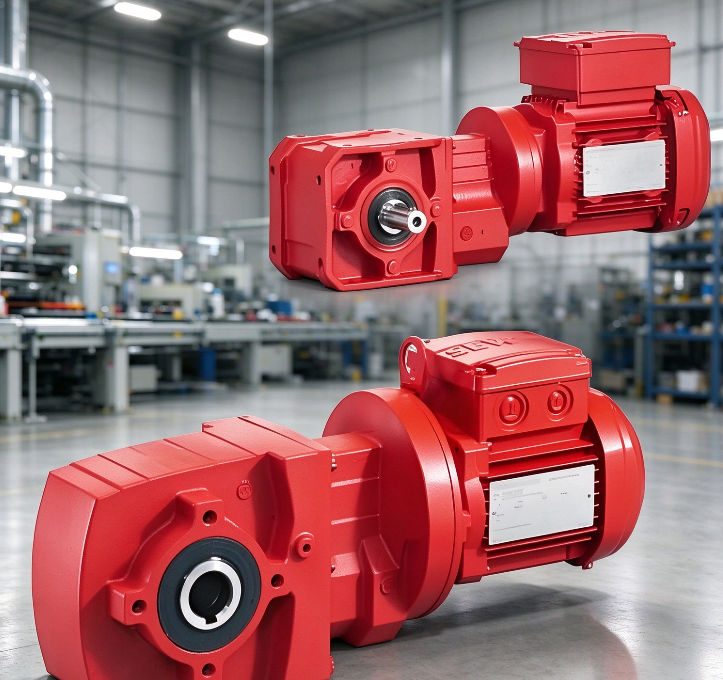
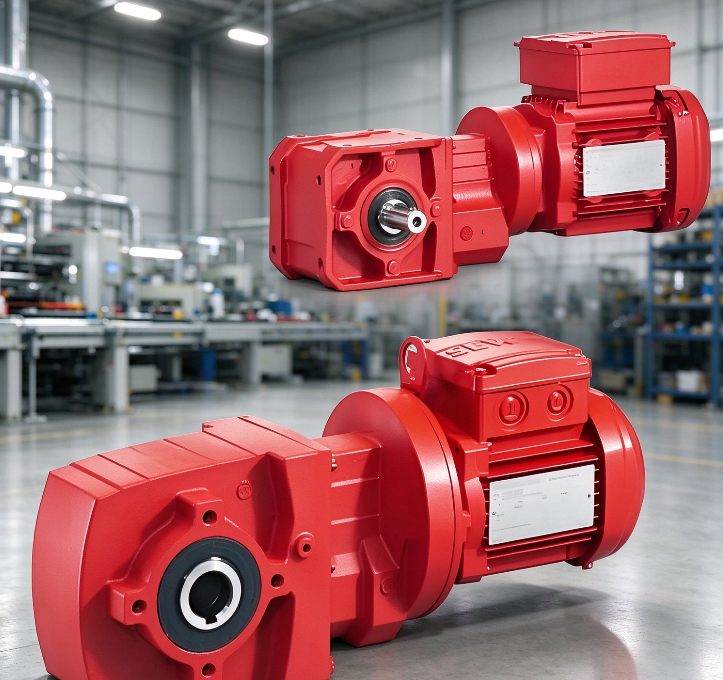
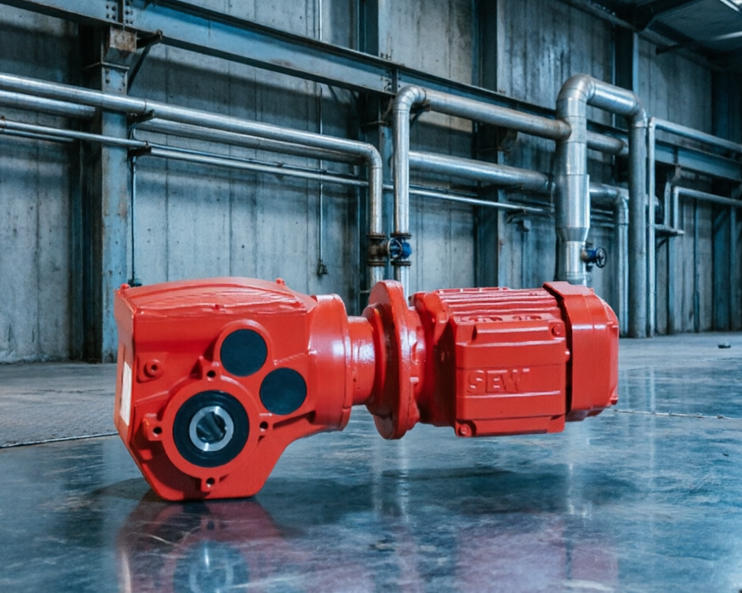
bevel-helical gear reducer sew eurodrive r107 MC2RVSF06
${{shopModel.rebate>0?shopModel.discountPriceStr:shopModel.formattedAmount}}
$ {{shopModel.formattedAmount}}
Like
{{item.name}}
Quantity:
Estimated Delivery Date: Oct 19-Oct 19
Frequently Asked Questions
How can I contact customer service?
Do you ship overseas?
How long will it take to get my order?
Specifications
{{item.name}}
{{item.value}}
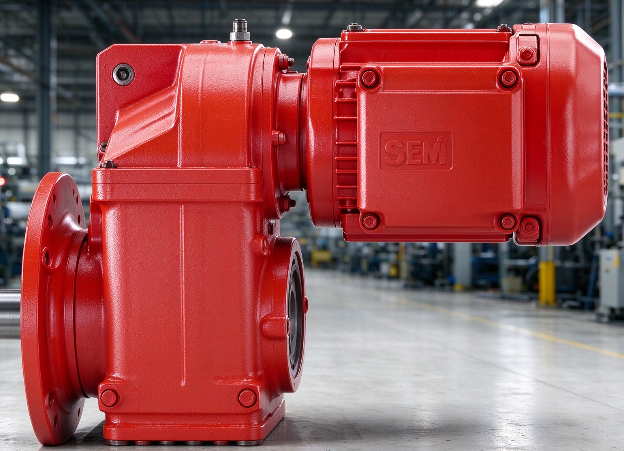
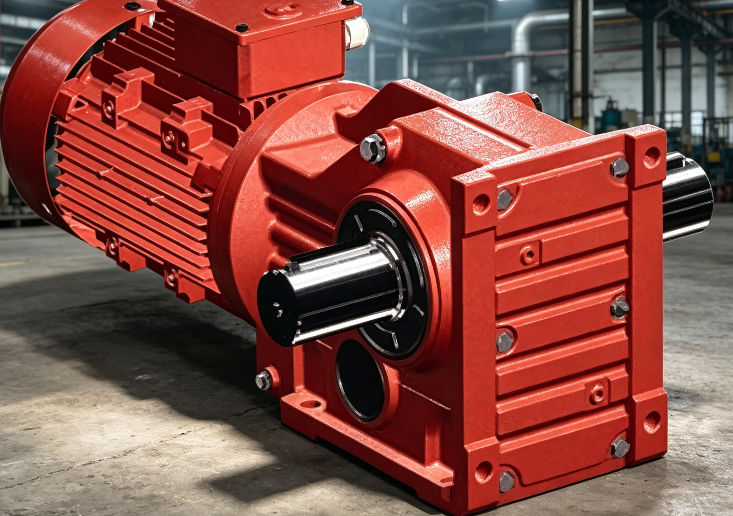
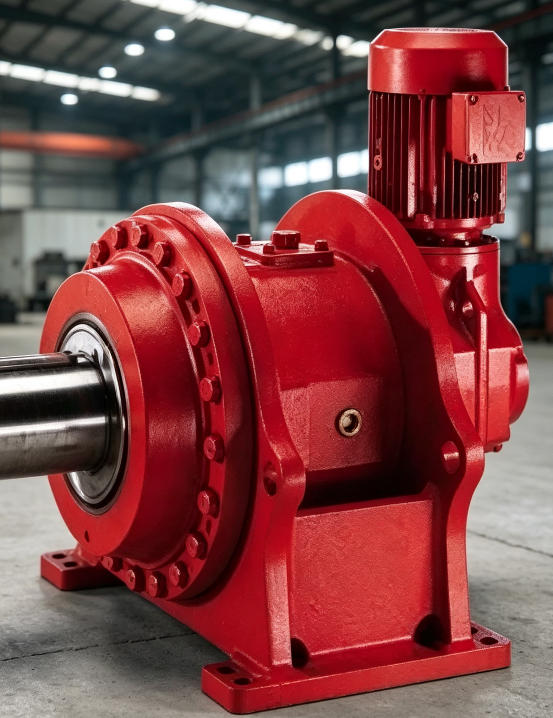
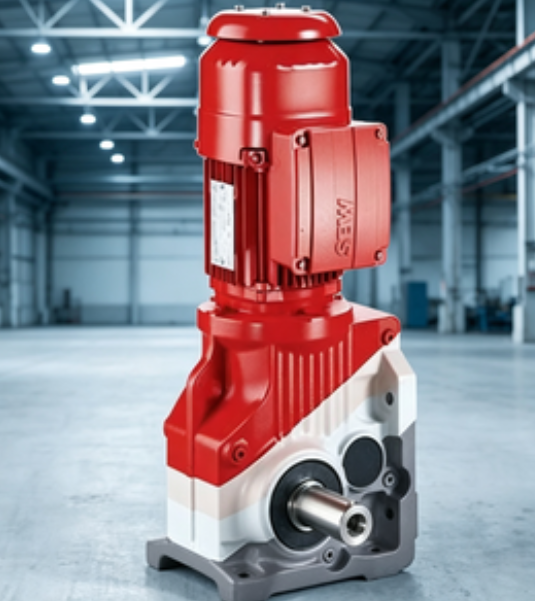
The SEW-EURODRIVE R107 and MC2RVSF06 represent two different tiers of drive technology: the Standard R-Series helical gearmotor and the Industrial MC-Series bevel-helical gear unit. When these terms appear together, they usually refer to a sophisticated industrial drive package where an R-series unit might act as a primary reduction or part of a larger multi-stage system, or they are being compared for a specific high-torque application.
Below is an 800-word technical expansion detailing these units, their architecture, and their industrial significance.
The Intersection of Precision and Power: SEW-EURODRIVE R107 and MC2RVSF06
In the world of industrial automation, power transmission is not a "one size fits all" endeavor. Engineers must balance torque requirements, mounting constraints, and thermal limits. The R107 helical gear unit and the MC2RVSF06 bevel-helical industrial unit are two of the most reliable workhorses in the SEW-EURODRIVE portfolio, often paired or selected for their ability to handle massive mechanical stress with surgical precision.
1. The R107: The Standard for High-Torque Helical Drives
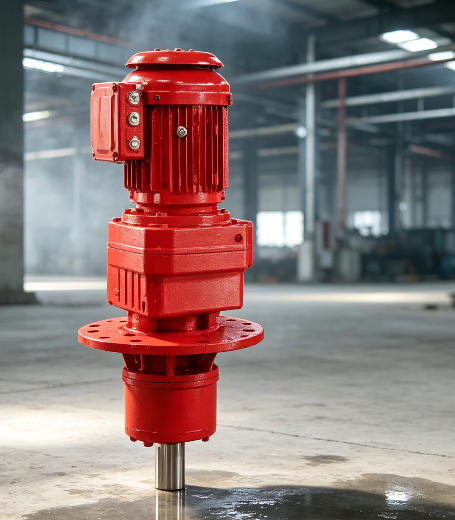
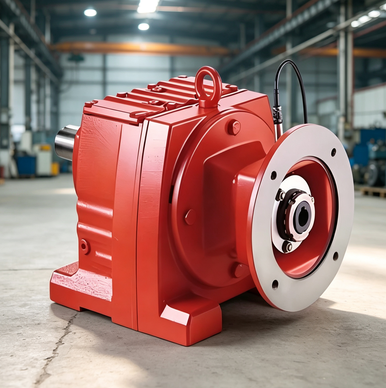
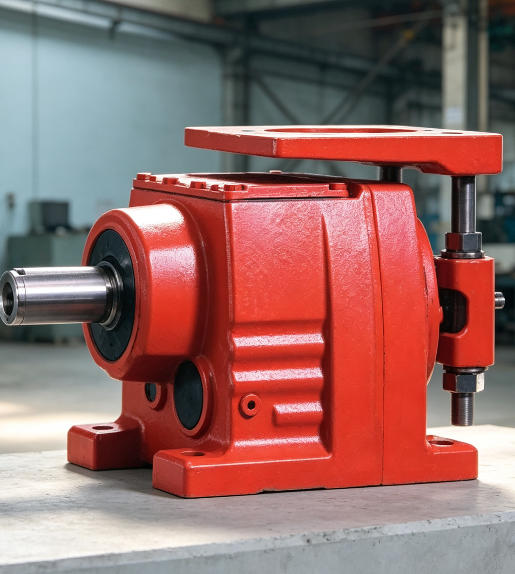
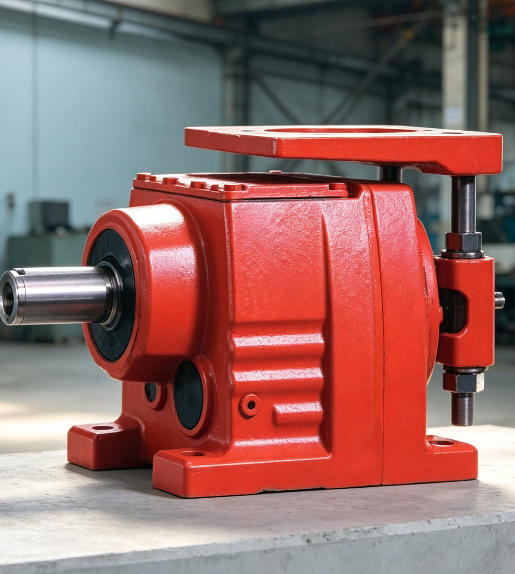
The R107 belongs to SEW’s "classic" R-series of helical gear units. As a size 107, it occupies the upper-middle range of the series, known for its exceptional ratio of performance to footprint.
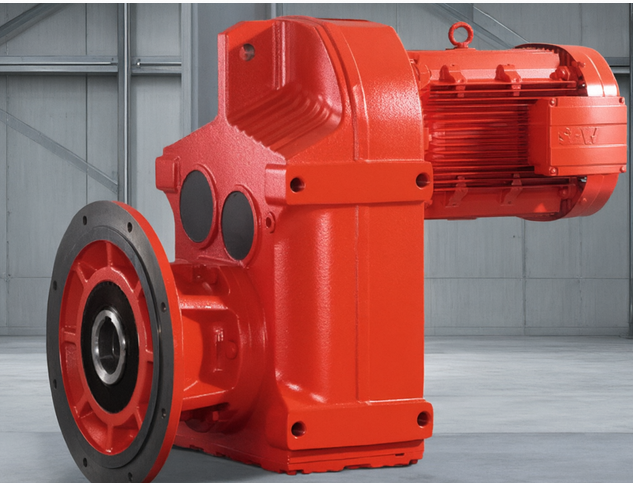
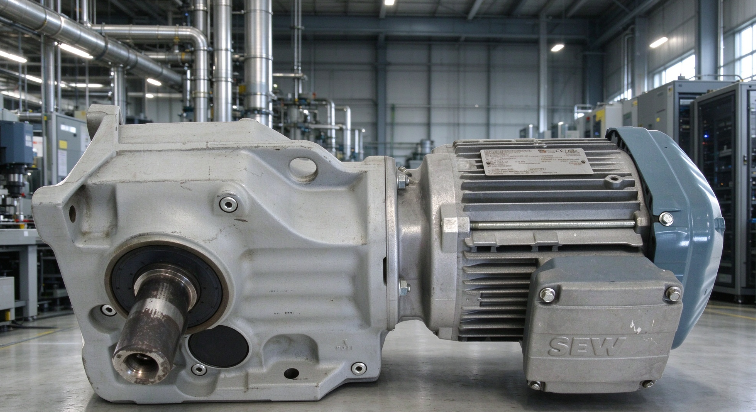
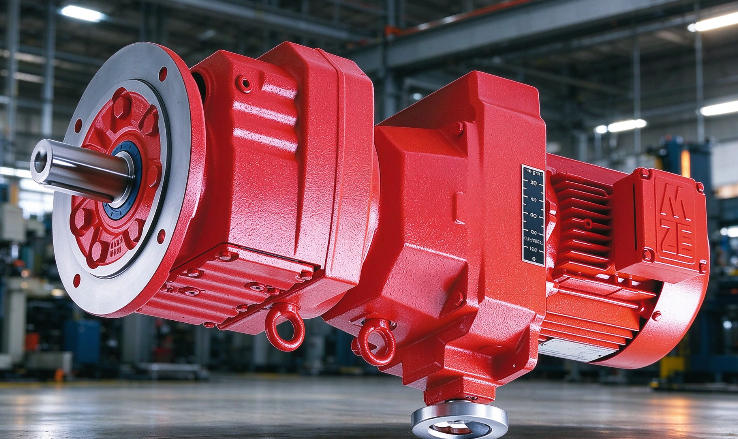
- Design Architecture: The R107 is an in-line helical gear unit. Helical gears are cut at an angle to the face of the gear, which allows for gradual tooth engagement. This results in smoother, quieter operation compared to spur gears and enables the R107 to handle high output torques—up to 4,300 Nm (approx. 38,100 lb-in)—while maintaining high efficiency.
- Versatility: This unit is typically paired with SEW’s DRN (IE3) or DRU (IE4) motors. Because of its multi-stage reduction capabilities, it can achieve extremely low output speeds, making it ideal for heavy-duty conveyors, agitators, and hoist drives where steady, unstoppable force is required.
- The "Uniblock" Advantage: Like many SEW units, the R107 features a single-piece gear housing. This design provides maximum rigidity and prevents oil leaks that are common in multi-part bolt-together housings.
2. The MC2RVSF06: The Industrial Heavyweight
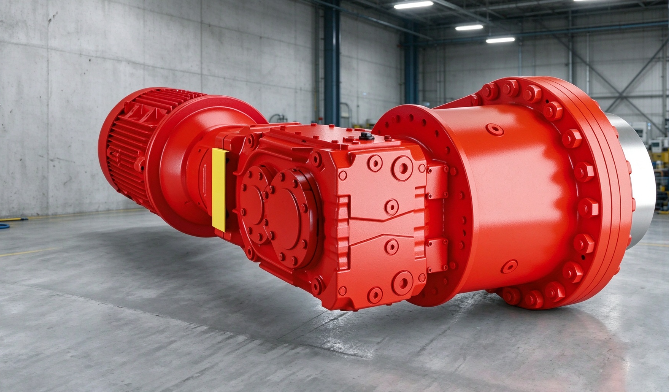
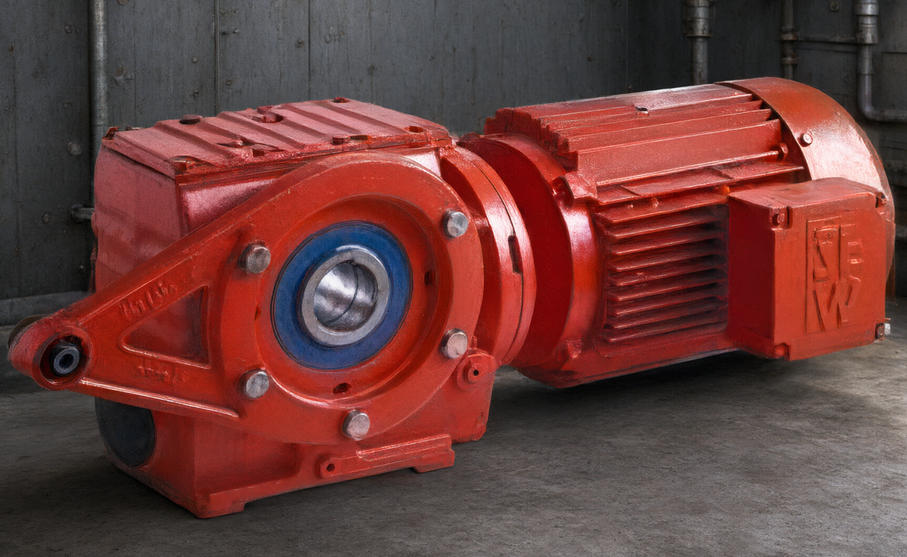
While the R107 is a high-end standard gearmotor, the MC2RVSF06 is part of the MC (Modular Compact) industrial gear unit series. This series is designed specifically for the "low-to-medium" industrial torque range—up to 65 kNm.
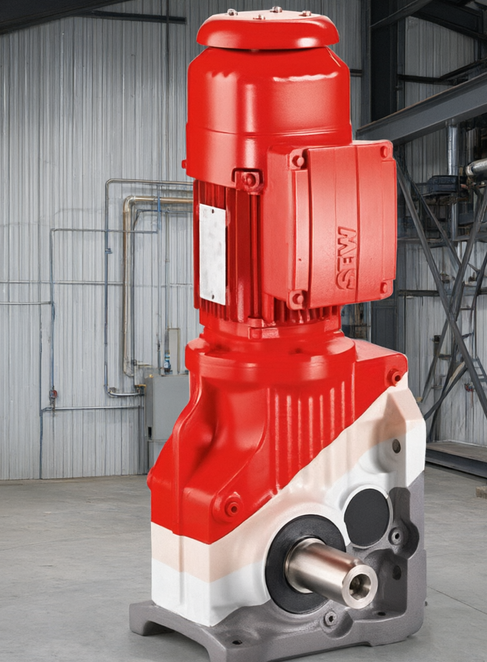
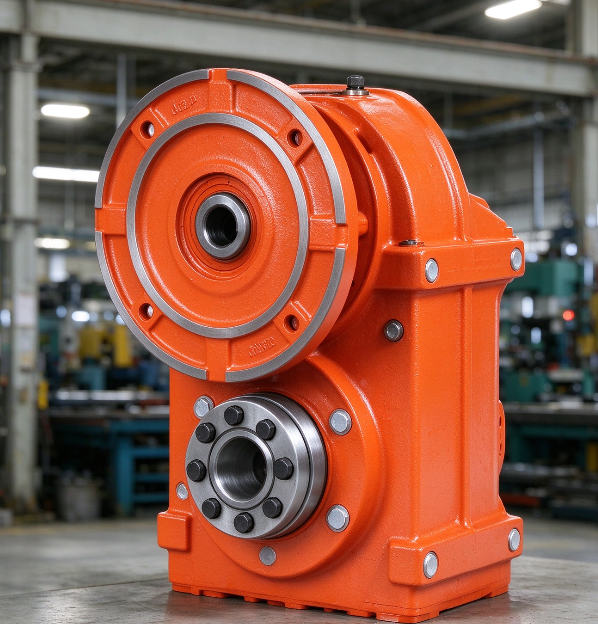
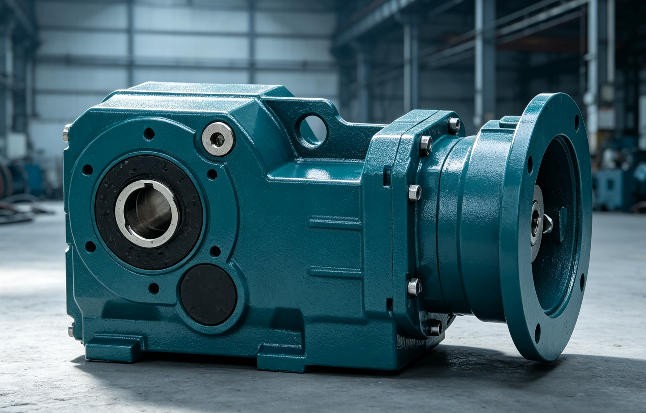
- Bevel-Helical Geometry: The "R" in MC2R... denotes a bevel-helical configuration. This means the unit utilizes a bevel gear stage to change the direction of power by $90^\circ$. This right-angle design is a space-saving lifter; it allows the motor to be mounted parallel to the driven machine, which is essential in narrow plant corridors or complex mezzanine levels.
- SF Specification (Special Features): The "SF" designation often refers to the output shaft configuration—typically a flange-mounted or solid shaft design. In industrial environments, the "06" frame size is engineered for high radial loads, making it the go-to choice for massive mixers or heavy-load belt drives where the shaft must withstand significant bending moments.
- Thermal Management: Industrial units like the MC2RVSF06 are often subjected to 24/7 operation in harsh environments (e.g., cement plants or mines). These units are designed with optimized housing surface areas to dissipate heat. For high-speed or high-ambient-temperature applications, they can be equipped with pressurized lubrication or external cooling fans.
3. Key Differences: Standard vs. Industrial
Choosing between an R107 and an MC-series unit often comes down to the Service Factor and Bearing Distance.
| Feature | R107 Helical | MC2RVSF06 Bevel-Helical |
| Orientation | In-line (Parallel) | Right-angle ($90^\circ$) |
| Torque Class | Up to 4.3 kNm | Up to 65 kNm (Series limit) |
| Primary Use | General automation | Heavy industrial processing |
| Mounting | Foot or Flange | Modular (Horizontal/Vertical) |
The MC series is specifically reinforced for high axial and radial loads. While an R107 might be used to drive a standard conveyor, the MC2RVSF06 would be selected for an agitator where the gear unit's bearings must support the weight and the lateral force of a massive mixing paddle without the need for an external bearing housing.
4. Application Scenarios
Scenario A: The Mining Conveyor
In a mining facility, space is often at a premium. An MC2RVSF06 is used because its right-angle design allows the drive package to sit tucked against the conveyor frame. The bevel-helical stages ensure that even under the "shock loads" of rocks falling onto the belt, the gears do not strip or overheat.
Scenario B: The Wastewater Treatment Plant
For a large-scale aerator, an R107 (often in an "extended bearing" RM configuration) is used to provide the high-torque, low-RPM rotation needed to churn thousands of gallons of water. Its high efficiency ensures that the plant’s energy costs remain manageable over decades of continuous use.
5. Maintenance and "Modular" Sustainability
Both the R107 and MC2RVSF06 benefit from SEW-EURODRIVE’s modularity. If a motor fails, it can be swapped without dismantling the gear unit. If a seal leaks after years of service, the standardized sizes ensure that a replacement part is available in nearly every country on Earth. This "Global Service" aspect is why these specific models are often written into the global specifications of multi-national corporations.
Conclusion
The R107 and MC2RVSF06 are symbols of mechanical endurance. Whether you require the in-line efficiency of the R-series or the right-angle industrial "muscle" of the MC-series, these units represent the gold standard in power transmission. By selecting the correct configuration—whether it's the hollow shaft for ease of maintenance or the reinforced bearings for agitator loads—engineers ensure that their machines run cooler, longer, and with significantly less downtime.
CUSTOMER REVIEWS
{{commentStat.averageRating}}
{{commentStat.total}} Revirews
All({{commentStat.total}})
Images({{commentStat.imgSum}})
5 Star({{commentStat.praiseSum}})



{{item.comments}}