





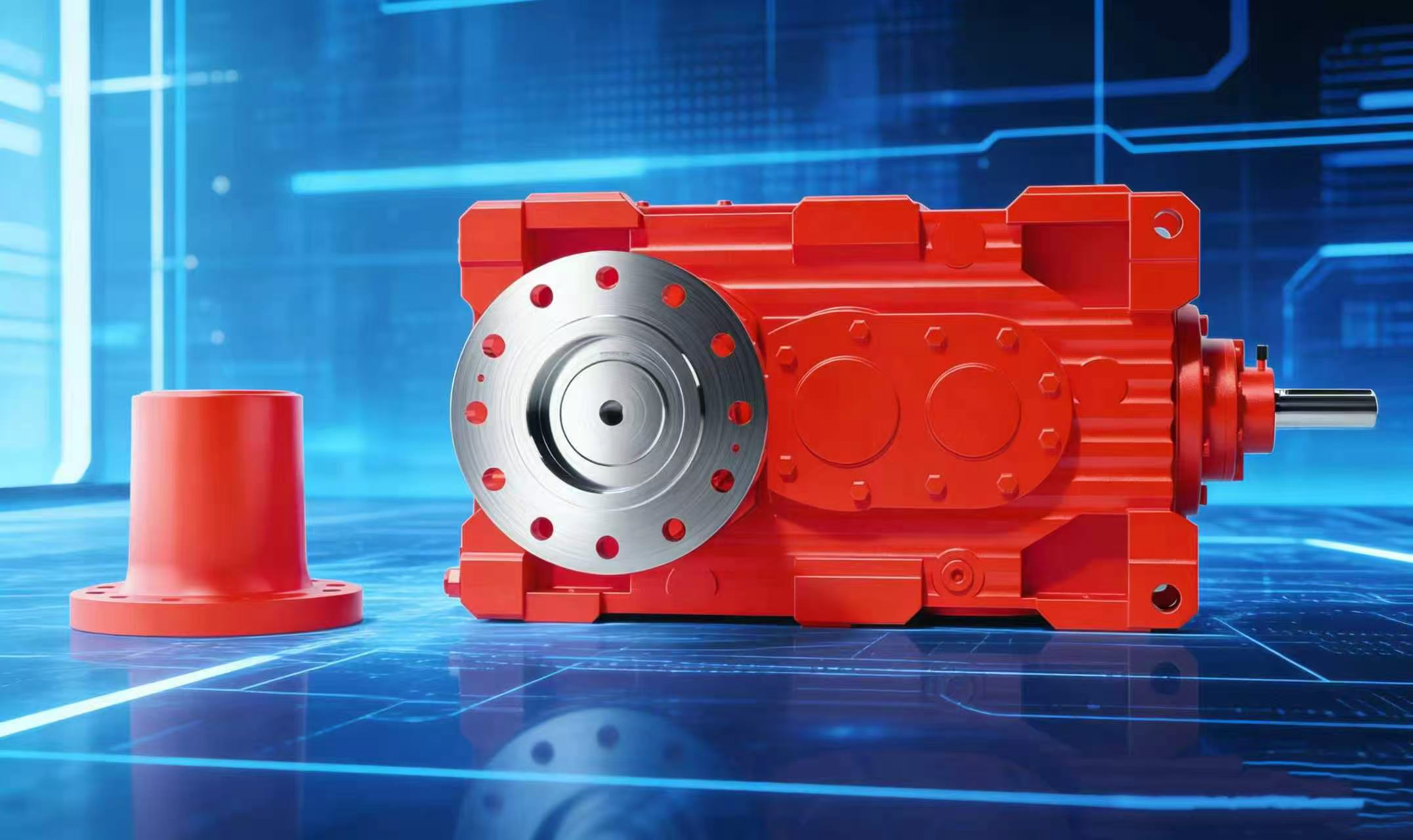

Helical gear boxes sew brake resistor MC2PEHF07
${{shopModel.rebate>0?shopModel.discountPriceStr:shopModel.formattedAmount}}
$ {{shopModel.formattedAmount}}
Like
{{item.name}}
Quantity:
Estimated Delivery Date: Oct 19-Oct 19
Frequently Asked Questions
How can I contact customer service?
Do you ship overseas?
How long will it take to get my order?
Specifications
{{item.name}}
{{item.value}}
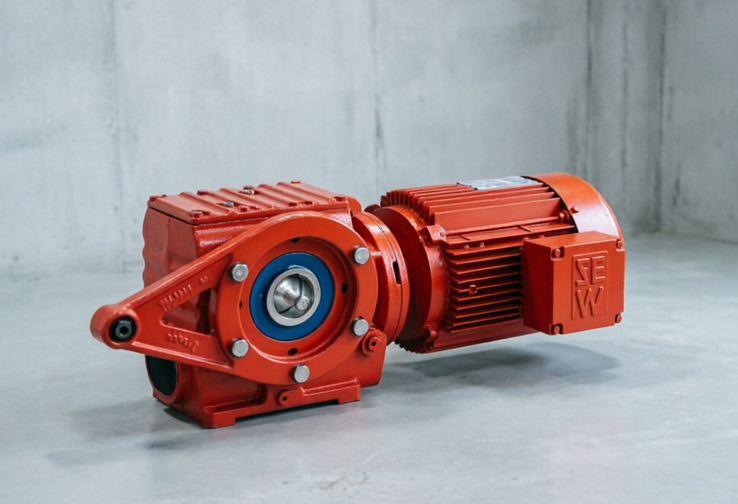
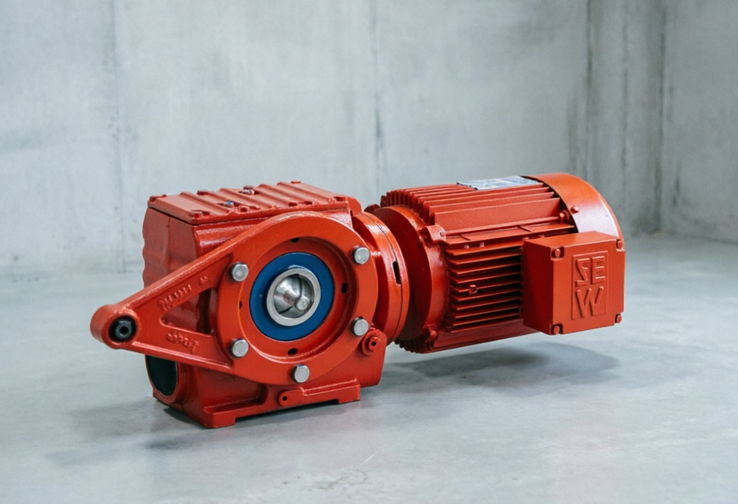
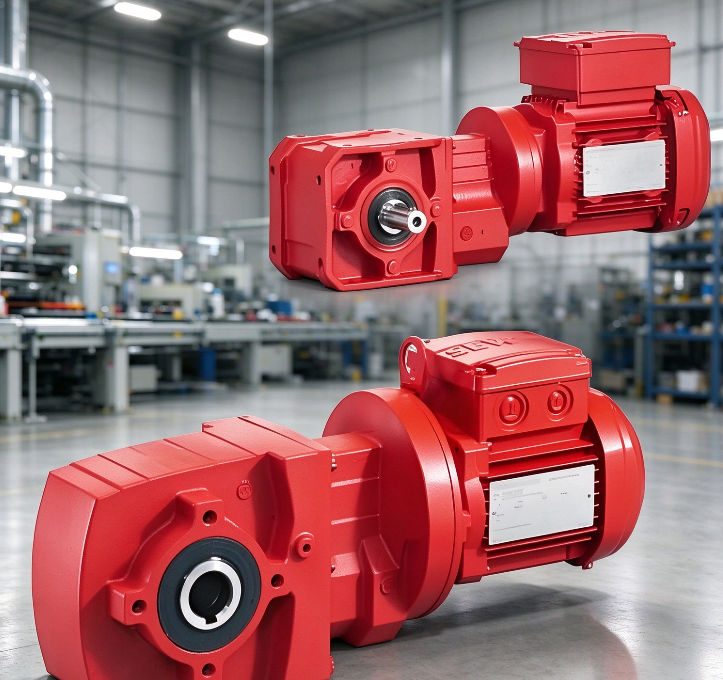
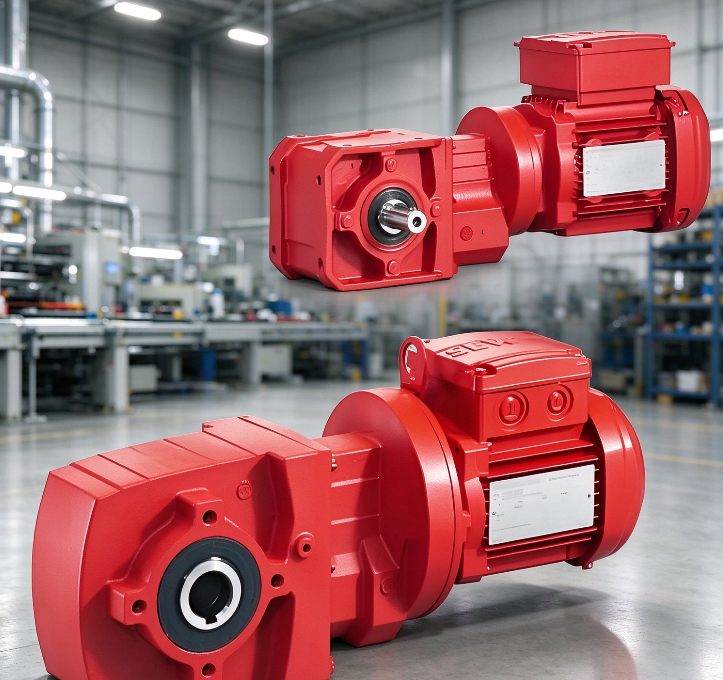
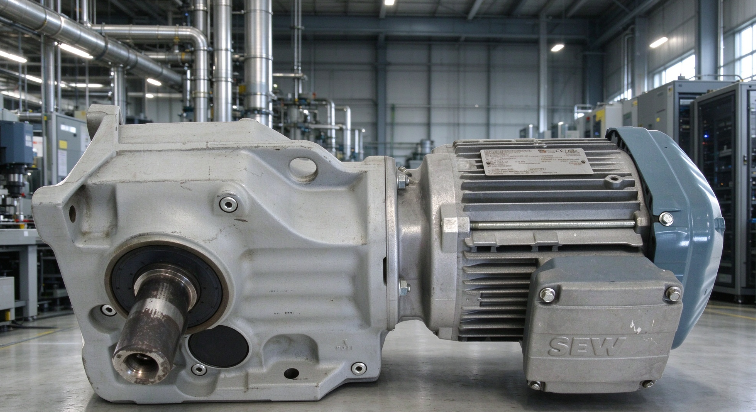
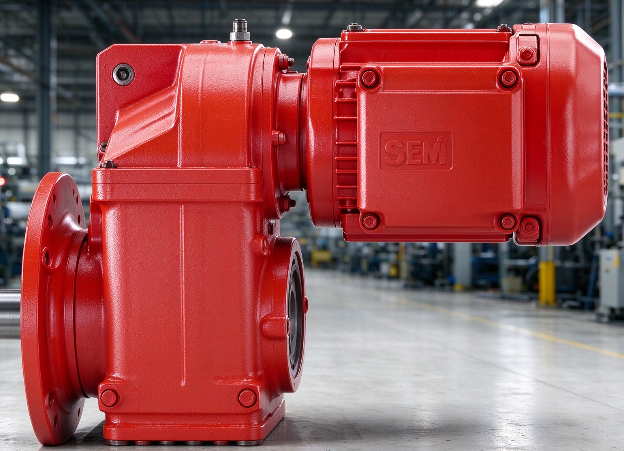
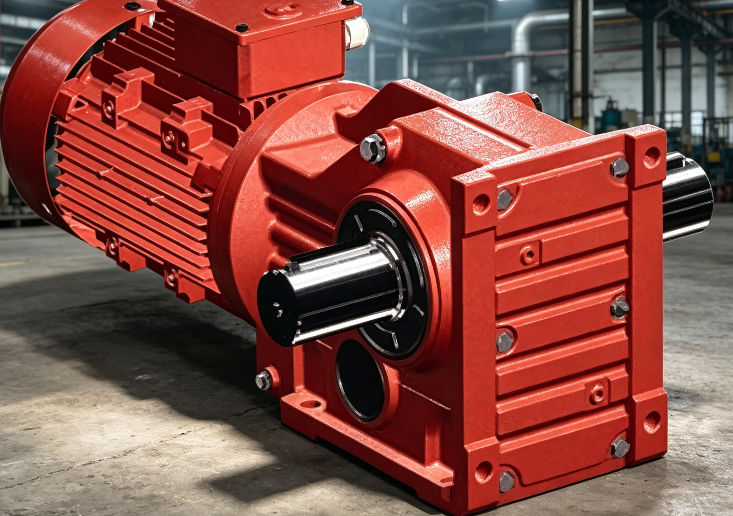
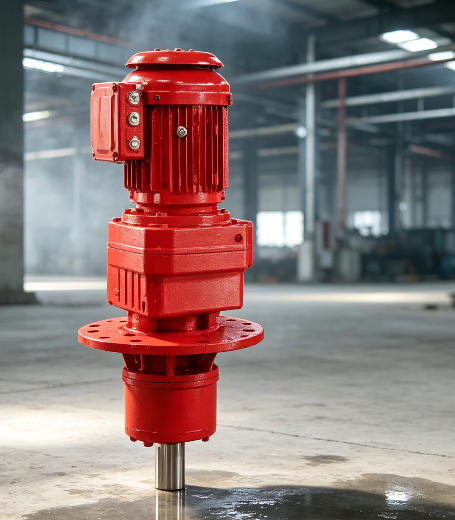
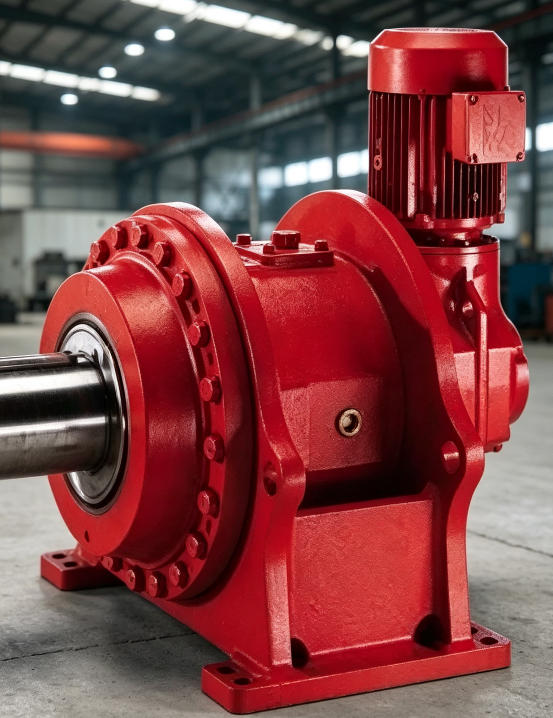
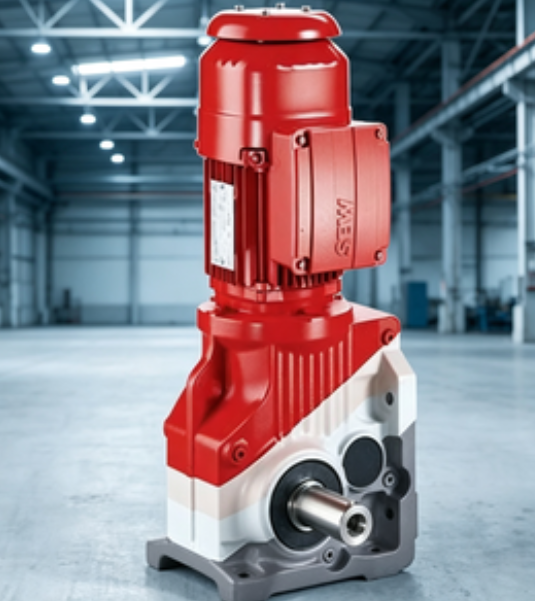
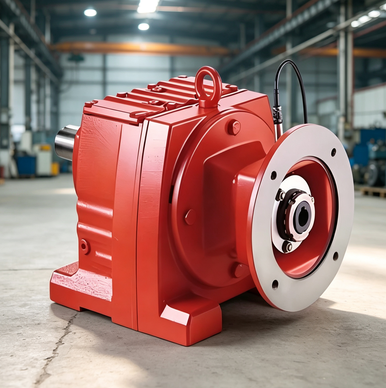
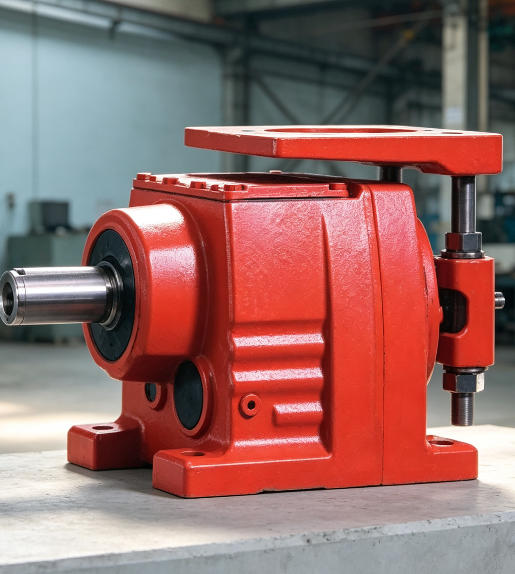
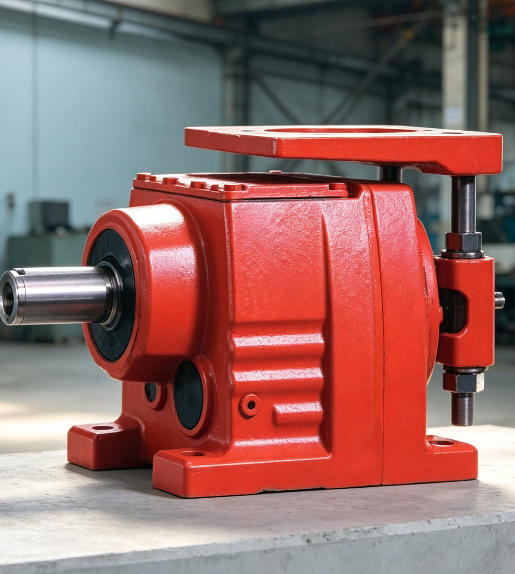
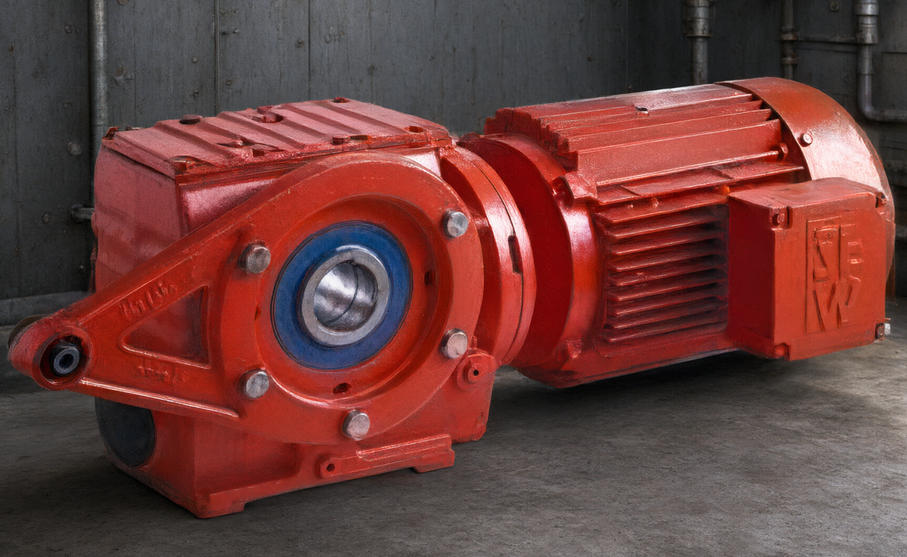
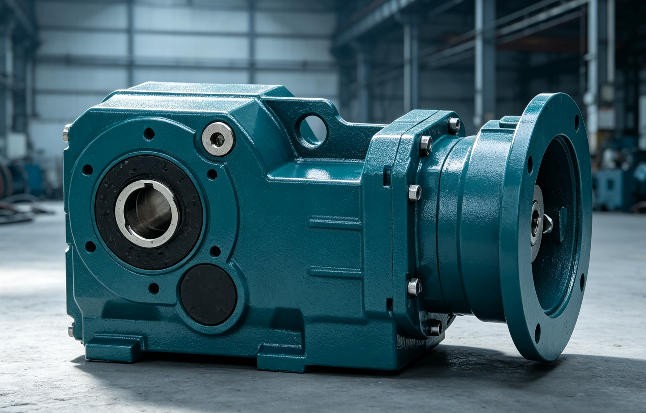
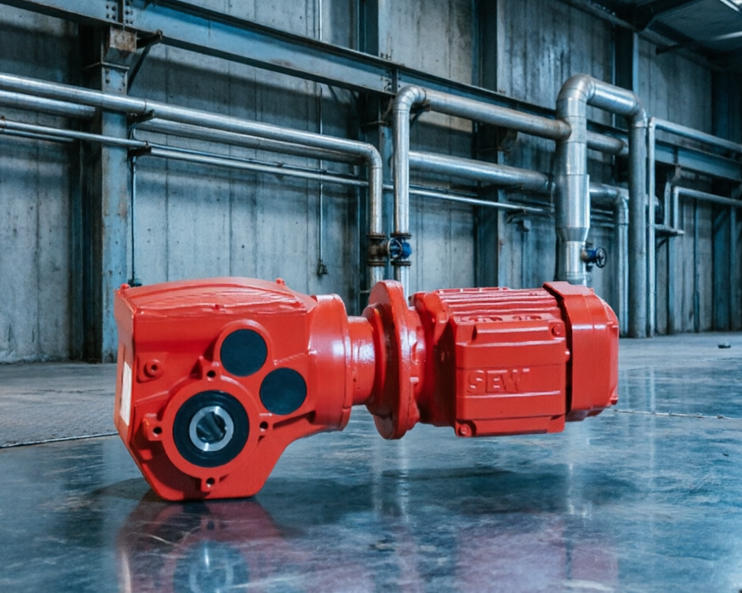
The MC2PEHF07 helical gear unit, when paired with an SEW-EURODRIVE motor and a brake resistor, constitutes a high-performance drive system engineered for "dynamic deceleration." In industrial applications—particularly those involving vertical movement or high-inertia stops—the brake resistor is the unsung hero that protects the electronic frequency inverter from overvoltage.
Expanding on this configuration requires an understanding of how mechanical reduction (the gearbox) and electrical heat dissipation (the resistor) work in tandem.
1. The Mechanical Core: MC2PEHF07
The MC series is SEW-EURODRIVE’s solution for high-torque, space-constrained environments.
- MC2P: This signifies a 2-stage Parallel-shaft helical gear unit. Two-stage units are chosen for applications requiring higher output speeds and maximum mechanical efficiency (often above 96%).
- E (Enhanced Housing): The "E" designation refers to the reinforced, thermally optimized monoblock housing. This is critical when the unit is used in high-cycle start-stop operations which generate internal friction heat.
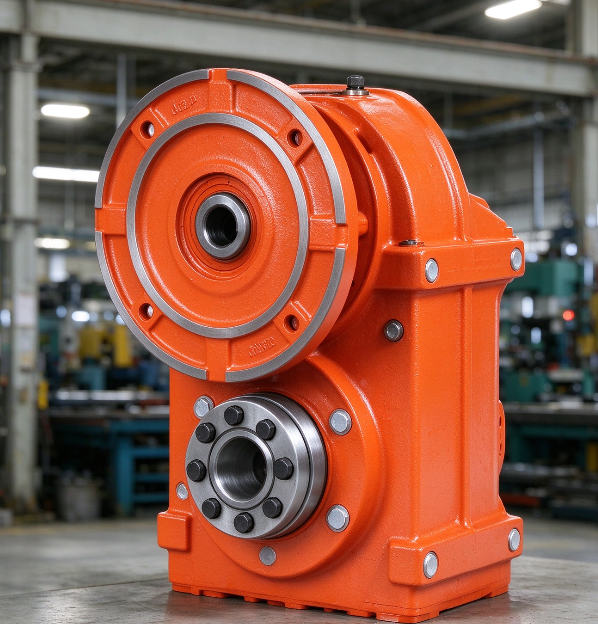
- HF (Hollow Shaft / Flange): The "H" indicates a hollow shaft, typically secured with a shrink disk, while the "F" denotes a B5-type flange mounting. This setup allows the gearbox to be mounted directly onto the driven machine’s shaft, eliminating the need for flexible couplings and reducing the overall footprint.
- Size 07: This frame size is a "mid-heavy" category, capable of handling significant kNm torque ratings.
2. The Role of the Brake Resistor
When a heavy load—such as a loaded conveyor belt or a hoist—needs to slow down or stop, the motor acts as a generator. This "regenerative energy" flows back into the frequency inverter (like a MOVIDRIVE® or MOVITRAC®).
If this energy isn't managed, it will charge the inverter's DC link capacitors to a dangerous level, causing a fault or hardware failure.
How it Works with the MC2PEHF07:
- Regeneration: The inertia of the load drives the MC2PEHF07 gearbox, which spins the motor faster than its synchronous speed.
- Dissipation: The inverter detects the voltage spike and shunts the excess electricity into the brake resistor.
- Thermal Conversion: The resistor converts that electrical energy into heat, allowing the system to stop safely and precisely without mechanical wear on the primary motor brake.
3. Industrial Context: Why This Setup?
The combination of an MC series gearbox and a brake resistor is common in the following scenarios:
High-Inertia Conveyors
In large-scale Chilean mining operations, a conveyor carrying tons of ore has massive kinetic energy. When the system needs to stop, the MC2PEHF07 manages the torque reduction, while the brake resistor handles the electrical surge, ensuring the belt doesn't "coast" uncontrollably.
Hoists and Elevators
When lowering a load, gravity is constantly "back-driving" the gearbox. The brake resistor allows for a controlled, powered descent by bleeding off the generated energy, preventing the motor from losing control.
4. Key Specifications for Selection
When sourcing a brake resistor for an MC2PEHF07 drive, you must match it to the Inverter Duty Cycle:
- Peak Braking Power ($P_{max}$): The maximum wattage the resistor can handle during a sudden stop.
- Continuous Braking Power ($P_{cont}$): The wattage the resistor can dissipate during long-term lowering cycles.
- Ohmic Value ($\Omega$): Must match the inverter's requirements to ensure the braking chopper can function correctly.
5. Maintenance and Safety Tips
- Heat Dissipation: Brake resistors get extremely hot (often exceeding 200°C). They must be mounted in well-ventilated areas, away from the gearbox's oil seals and sensitive electronics.
- Vibration Resistance: Since the MC2PEHF07 is often used in heavy-duty environments, ensure the resistor is "vibration-proof" (wire-wound in a ceramic or aluminum housing) to prevent the resistor element from snapping.
- Oil Levels: Because the "HF" model is often flange-mounted in various orientations (M1-M6), ensure the oil level and breather valve are correctly positioned to prevent overheating under the heavy braking loads.
Summary
The MC2PEHF07 provides the mechanical muscle and precision, while the brake resistor provides the electrical safety net. Together, they form a "closed-loop" of reliability for heavy-duty industrial motion control.
Are you looking for the specific Ohmic values for a certain inverter, or do you need assistance with the mechanical mounting of the HF flange?
CUSTOMER REVIEWS
{{commentStat.averageRating}}
{{commentStat.total}} Revirews
All({{commentStat.total}})
Images({{commentStat.imgSum}})
5 Star({{commentStat.praiseSum}})



{{item.comments}}